

Published on January 10, 2024
20 min to read
YouTube Automation Step-by-Step Guide

Summarize with AI

Table of contents
Summarize with AI

ChatGPT

Claude

Perplexity
Share

Vista Social

X (Twitter)


YouTube automation is a lifesaver for agencies and busy social media managers.
You juggle a gazillion YT tasks, from creating content to preparing reports. You can still stay on top of your to-dos when you lean on automation because it keeps everything moving without draining your time. That’s why automation plays such a big role in lifting your efficiency while keeping your YouTube marketing running smoothly.
In this guide, we’ll walk you through the steps and tips to kick off your YouTube automation implementation to increase your efficiency in managing your clients’ YouTube channels.
Table of contents
What is YouTube automation?
YouTube automation is about using online tools to perform tasks automatically or with minimal human intervention. You can use social media management tools to automate scheduling and track performance through their official platform integrations. These tools follow current API rules, so you can automate work without risking any account issues.
What you’d like to avoid is any bot that copies videos from other creators and reposts them since that move can violate YouTube community guidelines. This can lead to your clients’ accounts getting deactivated or banned.
Yikes!
4 Benefits of YouTube Automation
Wanna know the benefits you can enjoy by automating your YT tasks? Check these out…
1. Supercharges your workflow
Skip the tedious tasks, such as metadata tweaking and video uploads, and let automation do the grunt work. Automation gives you more time so you can focus on key tasks, like enhancing your client’s YouTube content strategy to boost engagement.
2. Consistently churn out content
One of the best ways to engage your clients’ audiences is to keep a regular posting schedule. Automation tools make this possible by letting you plan and schedule your client’s videos to auto-publish. Automated YouTube video publishing ensures your client’s content is posted on times and dates when target audiences are most active and likely to engage with the content.
Set your preferred publishing date and time, and the tool can do the rest, ensuring a consistent posting schedule. The consistency can entice audiences to stay tuned to your clients’ videos since it builds steady excitement for the next post, which is always good for engagement. If you ever feel stuck coming up with fresh video themes, you can check out these YouTube Shorts ideas to spark new angles for your clients’ channels.
3. Improves SEO
Nailing Search Engine Optimization (SEO) tactics are key to your clients’ videos getting more visibility and organic traffic. Handy automation tools with robust SEO features can streamline keyword research and metadata optimization tasks.
With these features, your efforts to optimize your clients’ YouTube videos can be more efficient and seamless while getting more eyeballs to your clients’ content. The more traffic your clients’ videos get, the higher their chances to get more views on YouTube Shorts and channel content, boosting engagement and subscriptions.
4. Get your audience engagement going
Automation tools help you reply faster, although it is still safer to mix automated replies with manual responses so your conversations feel real and do not look repetitive. It makes managing audience interactions easier and faster, helping your clients boost engagement and foster deeper connections with viewers.
4 Steps to implement YouTube automation
Set up YouTube automation by following these steps.
1. Choose your niche
Before you create a YouTube channel, choose a niche where your client can shine (if they don’t have a specific niche yet). Consider your client’s strengths along with their brand and the audiences they want to reach, plus any other details that shape how they show up online. For example, clients in the food industry can share content about tips to make various types of fresh produce, such as tomatoes and lettuce, last longer.
The most profitable niches include:
- Technology
- Health and Fitness
- Travel
- How to make money online tips
- Business and luxury
- Software tutorials
- Interesting facts
- Personal Finance
- Cars and vehicles
- Happiness-related content
Remember that some niches can be more competitive (with higher payouts) than others. Help your client stand out by going for a unique YouTube content angle to establish their space in their specific YouTube niche. If you want more inspiration, check out these YouTube channel ideas to help you brainstorm content angles your clients can own.
2. Create a branded YouTube channel for clients
Create a Brand Account for business for your clients (if they haven’t yet) instead of a personal YouTube account. A Brand Account allows multiple user access, making managing your client’s YouTube automation channel easier.
Follow these steps to set up a Brand Account for your client’s YouTube channel.
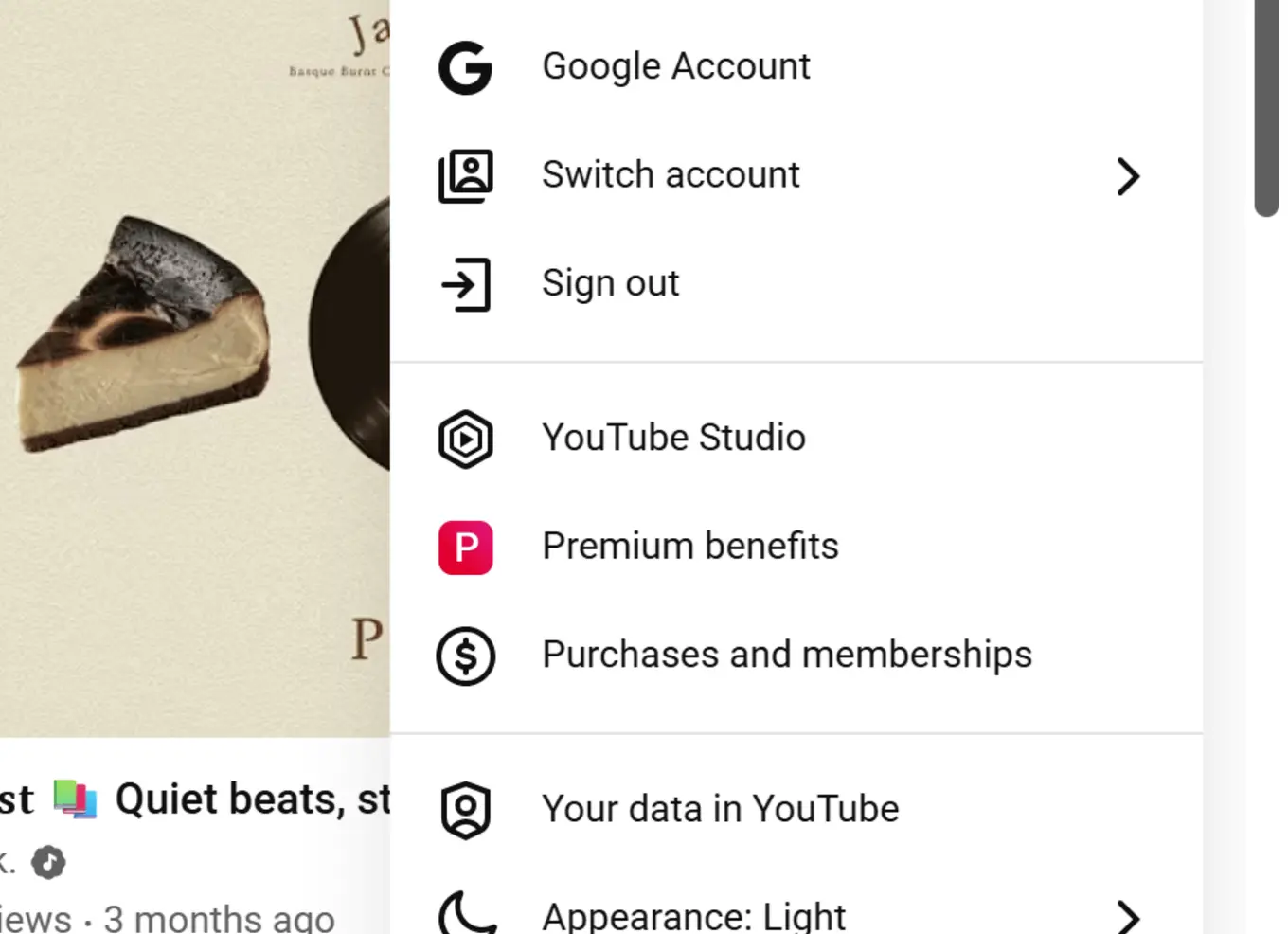
- Open YouTube and sign in to the Google account you want to use. If you’re already signed in to a Google account and want to use another one, click the account icon and select Switch account > Add account.
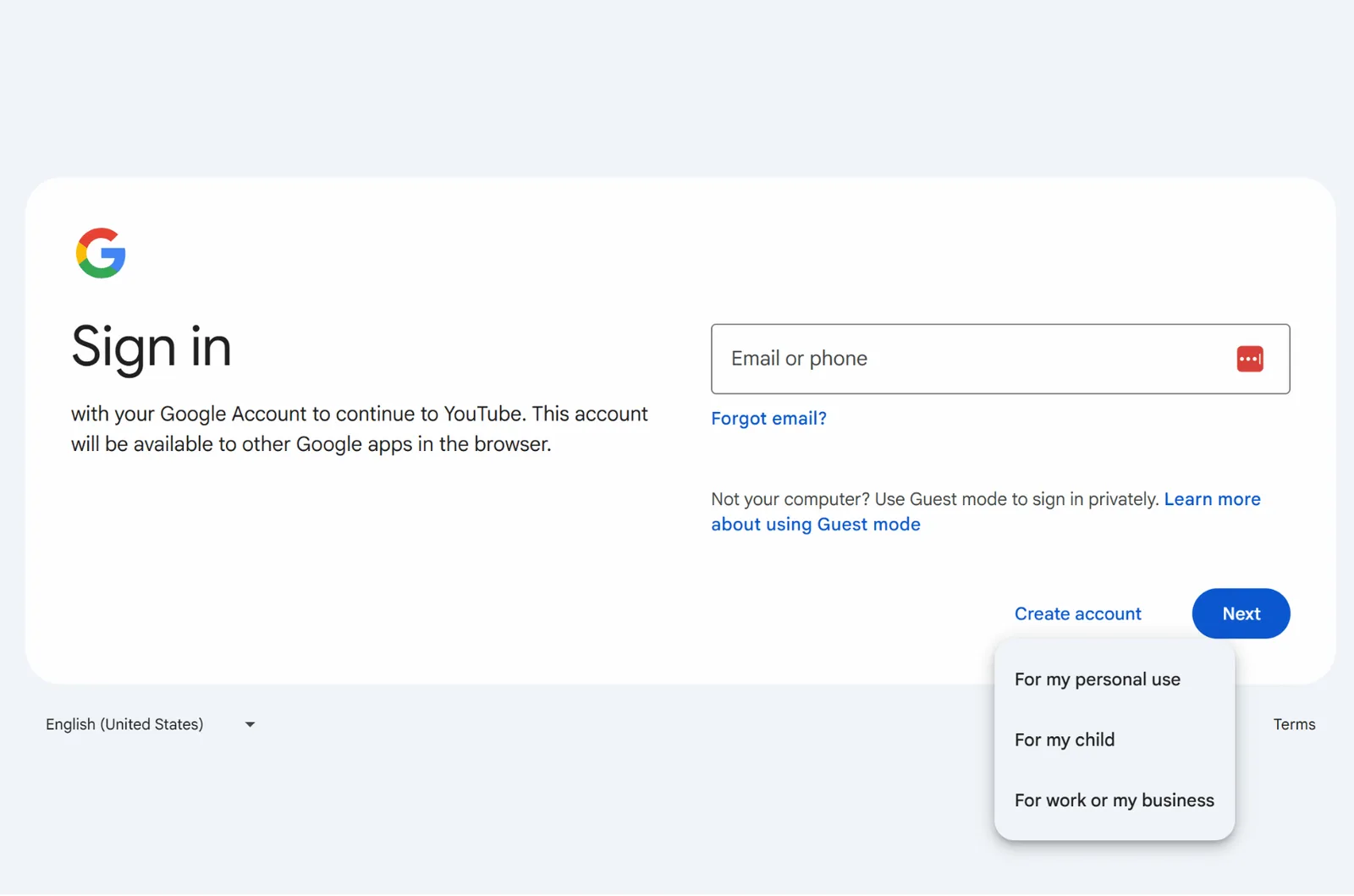
- Choose Create account and click For work or my business.
- Fill out the required basic information for your client’s channel.
- Once your client’s Brand Account channel is up, you can add other YouTube channel managers, such as yourself.
Add visual elements, such as a branded banner and logo, to highlight your client’s brand.
3. Set up an automation workflow and team
Starting an automated YouTube channel still means you’ll handle the early tasks yourself. You now have access to newer tools that speed up the setup work, but you still guide the first stages so your channel does not feel random or messy.
Once you get your client’s channel up and running, start a YouTube video content using reliable tools or work with third-party services and freelancers to automate key tasks such as scriptwriting.
The tools and services you can use for your client’s YouTube automation business include:
- Video editing software: Opt for video editing software that can automate batch processing and editing.
- Scheduling platforms: Use robust social media management platforms with post scheduling features to automate publishing and sharing your clients’ content.
- Workflow automation solutions: Leverage tools that let you connect various apps to streamline YouTube-related tasks. For example, Zapier lets you connect your client’s YouTube account to their Facebook pages to automate creating a post when a new video is uploaded on the channel.
- Project management tools: Streamline YouTube content planning and development with handy project or task management platforms. These tools help you track project hours automatically while you assign tasks and keep your client’s content calendar organized.
- Transcription services and translation solutions: Implement tools that can auto-generate video audio into text for instant captions. Tools like AI video translators can translate videos in one click using natural voice clones with an authentic speaking style.
4. Monetize the channel
Once your client’s YouTube channel starts gaining traction, you can begin monetizing it. If you want a deeper walkthrough of the full requirements, check out how to get monetized on YouTube. One of the ways for your clients to earn money through YouTube videos is to run ads via the Partner Program.
Eligibility for the YouTube Partner Program includes the following:
- A minimum of 1,000 subscribers
- More than 4,000 watch hours within the last 12 months
- Be in a country where the Partner Program is available
- Compliance with the YouTube channel monetization policies
- A linked Google AdSense account
- No YouTube Community Guidelines strikes
YouTube also lets creators qualify through a Shorts path that focuses on Shorts views and activity, so your clients can still enter the program without relying only on long form videos.
Other ways your clients can monetize their YouTube channels include:
- Paid sponsorships: A paid sponsorship happens when a brand pays a creator to feature its product inside a video. YouTube creators with a large following and established influence often earn money through sponsored content.
- Affiliate programs: Your clients can include affiliate links in their YouTube videos that lead viewers to a brand’s landing or product page. Your clients can earn commissions for each sale via the affiliate links, depending on the program.
- YouTube channel membership: Creators can set up a monthly subscription that other YouTube users can sign up for to get special offers, such as one-on-one live chats and exclusive videos. Your clients need at least 1,000 channel subscribers before they can enable the feature.
- Via Patreon: Clients with a loyal fanbase can leverage platforms such as Patreon to offer exclusive perks to Patreons, supporting their content and channels. Your clients can set up tiered memberships with various perks, such as early access passes to new videos, regardless of their subscriber count.
- Merchandise: Creators in supported regions can enable a merch shelf once they meet YouTube’s current eligibility standards for merch partners. These standards still include region access and policy compliance instead of focusing on channel size.
- Super features during live streams: Super Chat earnings still depend on what each viewer decides to pay, so the amount you earn changes every time you go live. When your clients turn on Super Chat, viewers can buy paid messages that appear with special colors. The purchase range is flexible because YouTube sets minimums and maximums per country, not a fixed one to five hundred dollar range. Your clients can also enable Super Stickers that viewers can buy to show support during streams, plus the Super Thanks option that lets people pay to highlight a comment on uploaded videos or live replays.
What to automate for YouTube automation
Your clients can automate the following YouTube-related tasks and processes.
Scriptwriting
One of the most time-consuming aspects of running a YouTube channel is planning and writing your client’s video scripts. The good news is that you can plan and write a YouTube script faster and easier with the right tools and methods. For example, you can use AI tools such as ChatGPT and Jasper to generate script ideas instantly.
You can set the length and tone then choose your audience, and the AI takes care of the full script from there. You can even ask the AI to throw some humor in your script to make your client’s content more engaging. After all, what’s engaging content without some humor?
Take it from content and copywriting manager Adam Hayes, who said…
“Humor, where appropriate, is a great addition to your video… so embrace the personality of your product, and let it shine through!”
Another option is to hire reliable freelancers who can produce one-off scripts of weekly content for your clients’ YouTube videos.
SEO research
Optimizing your clients’ YouTube videos for organic search is crucial to help raise their ranking in search results, making them visible to more audiences. The downside is that SEO takes a lot of time and effort. Your best solution? You guessed it, automation.
You can automate key SEO tasks, including the following:
- Keyword research: Use modern tools such as Google Keyword Planner to find relevant keywords in a snap. The tool lets you export and filter the list of keywords based on competition and search volume. Position tracking. Monitor your video rankings for hundreds of relevant keywords with an SEO rank tracker. It provides insights into how your videos are performing across various locations and search engines, helping you assess their visibility and keep traffic from slipping away.
- Video description and tag optimization: Let your client’s YouTube video descriptions and tags shine and draw more eyeballs to their content. Leverage tools that can analyze your video descriptions and suggest improvements and better tags.
- Content idea generation: Brainstorm YouTube content ideas in a flash with tools like AnswerThePublic. It shows you the most searched terms and burning questions from the people on the internet that you can use for content creation.
You can also join Reddit or Quora to explore the latest buzz and juiciest questions from people within your client’s industry or niche.
Video editing
Another time-sucking, energy-draining part of running your clients’ YouTube channels is editing videos. Use the robust video editing software to speed up your video editing process.
Modern editors now give you templates, thumbnail tools, AI caption prompts, auto transitions, cut detection, plus AI generated B roll that follows the flow of your script so you can edit faster.
The features can do a lot of the heavy lifting for you, streamlining your video editing process so you can churn out your clients’ content faster. You can also work with a freelance video editor through Upwork or Fiverr to get professional editing services without exerting too much time and energy.
Analytics and channel management
Analyzing your clients’ YouTube content helps you understand what performs well and what needs improvement so engagement rises along with subscriptions and views.
But like the tasks mentioned above, managing your clients’ YouTube channels and running analytics can take a lot of time and effort.
Automation is the key via top YouTube and social media analytics tools. The tools can track and analyze metrics such as views and engagement to help you determine your client’s content performance. You can easily extract insights that help you improve your client’s YouTube content so their strategy feels sharper and their results move in a steady upward direction.
Moderating comments
Going through all the comments on your clients’ YouTube videos is a pain. Automate the process by enabling the platform’s built-in comment filters to hold them for review automatically and not display inappropriate comments.
The option also lets you automatically approve comments from your clients’ loyal and trusted followers. You can also use third-party moderation tools to manage and filter video comments easily. Checking your YouTube comment history can also help you spot patterns in interactions or identify comments that need follow-up.
Thumbnail testing
YouTube is slowly adding built in thumbnail testing to more regions, so use that feature whenever it becomes available before relying on external tools. You can also review the recommended YouTube Shorts thumbnail size to make sure every thumbnail displays clearly for viewers.
It simplifies testing by helping you see which thumbnail variation attracts your clients’ viewers. You can then track how often people watch or engage with the content so you can guide them toward becoming subscribers or customers. You won’t need to test and compare thumbnail variations manually but let the testing tool do the heavy lifting for you.
Potential risks and downsides to YouTube automation
While automation offers a lot of perks, it also has several downsides and risks, including the following.
Losing authenticity
Without proper management, automation can make viewer interactions robotic and inauthentic. For example, automating comment responses is great until the replies sound repetitive and too generic, making them feel as fake as a rubber duck.
As Modus Agency Founder and CEO Rick Levine said…
“Authenticity, honesty, and personal voice underlie much of what’s successful on the web.”
Interactions that feel fake can turn off viewers and loyal followers, which is bad news for your client’s YouTube channel reputation and brand.
Potential Terms of Service violations
Automating specific actions on YouTube can potentially violate its terms of service. It can lead to YouTube removing your client’s content or suspending their accounts. So read up on the platform’s community guidelines and terms of service to ensure you’re not automating anything that can get your clients in trouble.
Customization limitations
Some YouTube automation tools have limited customization options, making viewer interactions awkward and stiff. It can mess with the channel’s vibe and unique style, limiting how your clients’ audiences view and interact with the content.
Algorithm drama
YouTube’s algorithm factors in user interactions and engagement. YouTube’s algorithm factors in user interactions and engagement, which is why it helps to understand how the YouTube Shorts algorithm works. If automation causes low quality or unnatural interactions, the algorithm will likely give your client’s content less visibility. If their Shorts are struggling to gain traction, this guide on YouTube Shorts not getting views can help you spot what the algorithm is ignoring and how to fix it.
It can mess with how the algorithm ranks and shows your client’s content to more viewers, impacting views and engagement opportunities.
Important note: The video’s size and specs can also impact quality, so follow the recommended YouTube video size requirements. If you want to double-check the ideal formatting for Shorts, you can review the updated YouTube Shorts dimensions so your clients’ videos look clean and perform well.
Getting flagged as spam
Automation gone rogue can make your client’s comments section seem spammy. After all, a wave of generic comments that scream “Automated!” can raise eyebrows (and red flags), causing viewers (and the algorithm) to steer clear of your client’s content.
Updating struggles
YouTube changes its policies and guidelines often, which makes it tough for automation tools to keep up. Outdated automations can trigger errors that pile up fast. They can also create glitches that pull your workflow off track and cause actions that fall outside YouTube’s current Community Guidelines and Terms of Service if you don’t check them consistently.
Stay updated on recent policy changes because YouTube keeps adjusting how Shorts work and how captions are handled while refining the way the platform reviews content safety.
Security mishaps
Automating certain YouTube activities and tasks involves handing over some control to third-party tools. The catch is that not all tools offer some level of security, which can expose your clients’ accounts and content to potential security breaches.
The best tool for YouTube automation
If you want a modern SMM platform with robust YouTube automation features, look no further than Vista Social. The platform’s YouTube management tools for business give you a smoother way to handle your clients’ accounts and channels while keeping their content easy to manage.
Schedule your clients’ YouTube videos to auto-post with Vista Social’s easy-to-use Publisher.
After linking your client’s YouTube account, create a new post by clicking Create > New Post.
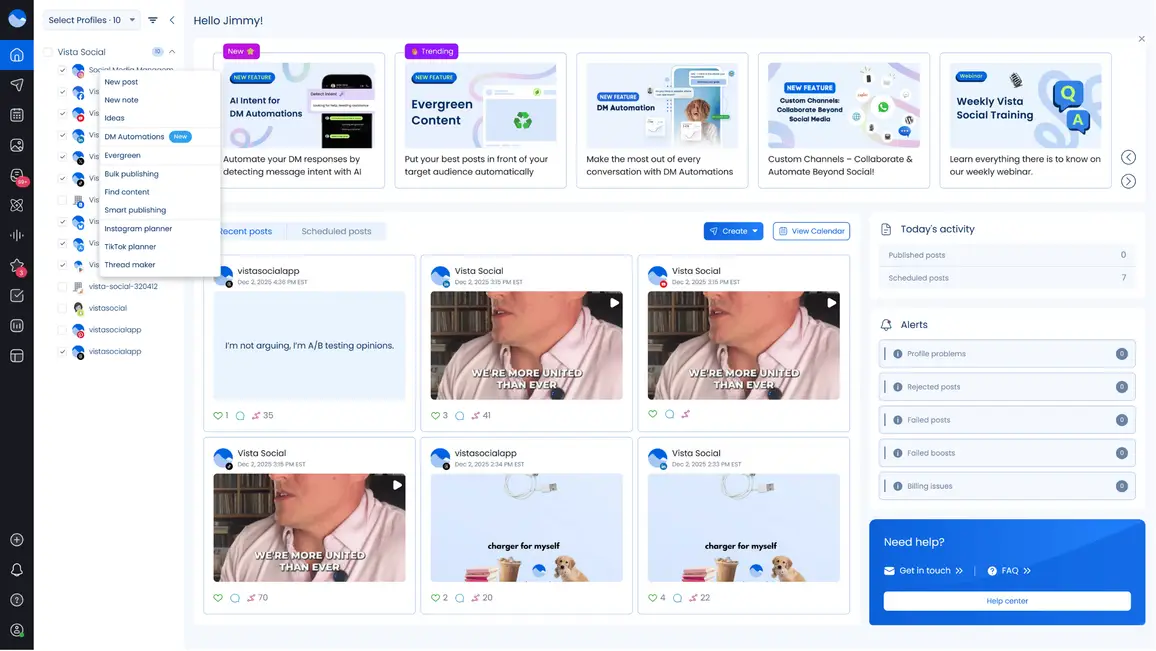
Create your client’s post by uploading the video and adding a description (up to 2,000 characters).
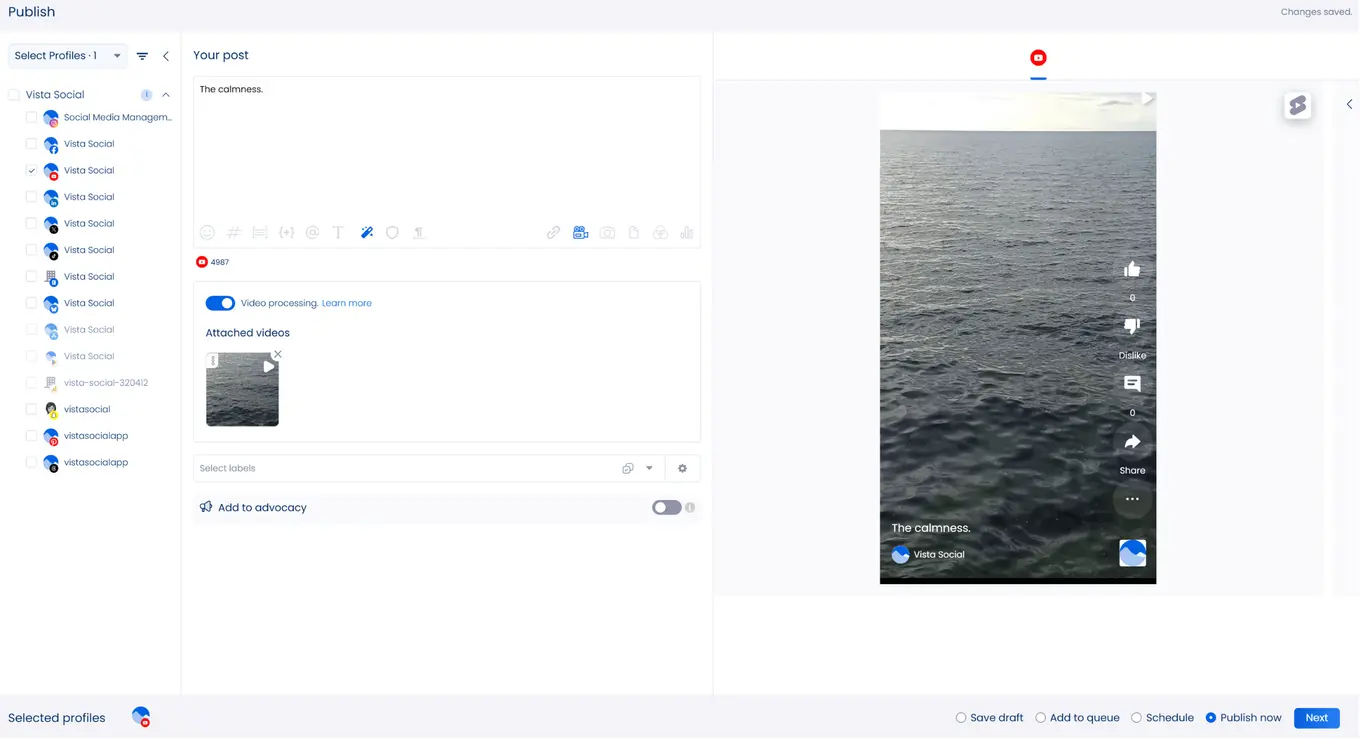
Do you need to come up with descriptions and captions fast? Use Vista Social’s Artificial Intelligence (AI) Assistant (powered by ChatGPT technology) to auto-generate posts based on your client’s target audience.
Customize the post by adding a title and choosing a category. After setting that up, add tags to improve visibility. Give the post a first like to help it gain early traction. Turn on subscriber notifications so followers see it right away. Allow embedding when you want people to share it outside the platform. Activate Mode for kids when the post is meant for a younger audience.
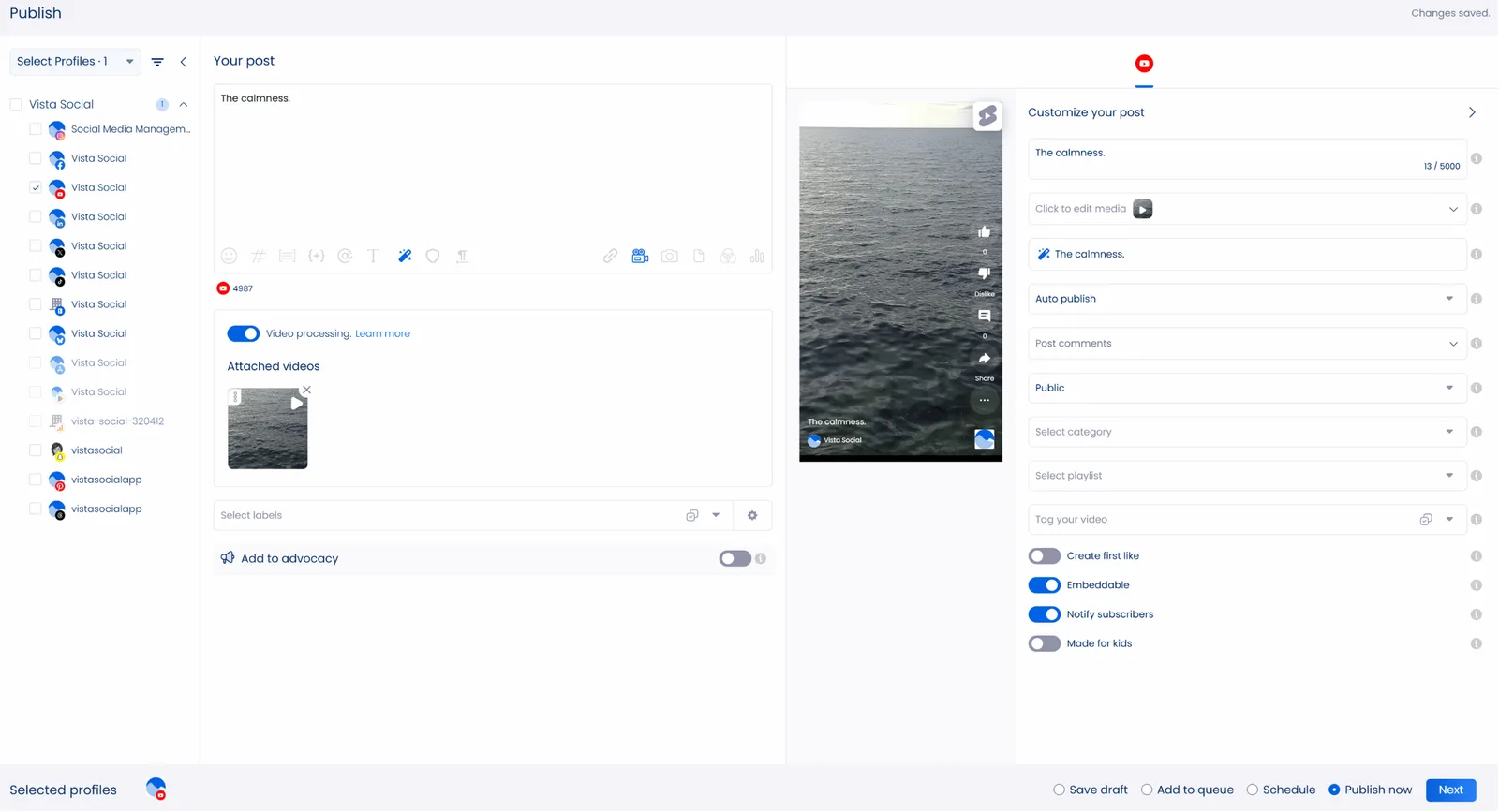
Select Schedule, then Next to set the time and date to auto-publish your client’s YouTube video on their channel. You can post the video now, add it to a queue of other scheduled posts, or save it as a draft for further review and client approval.
Use Vista Social’s Publisher to schedule content across your social platforms. You can line up posts for each channel you manage so everything goes out on time without switching apps. If you want to see how Shorts stack up against TikTok clips, here’s a quick guide on YouTube Shorts vs TikTok that can help you plan content formats for each platform.
For instance, you can use the Publisher to share a YouTube video on Instagram Story automatically. Say goodbye to manually searching for hashtags for your client’s posts with Vista Social’s AI hashtag generator. If you need a quick reference guide, check out these YouTube Shorts hashtags so you can plan stronger tagging strategies for Shorts content.
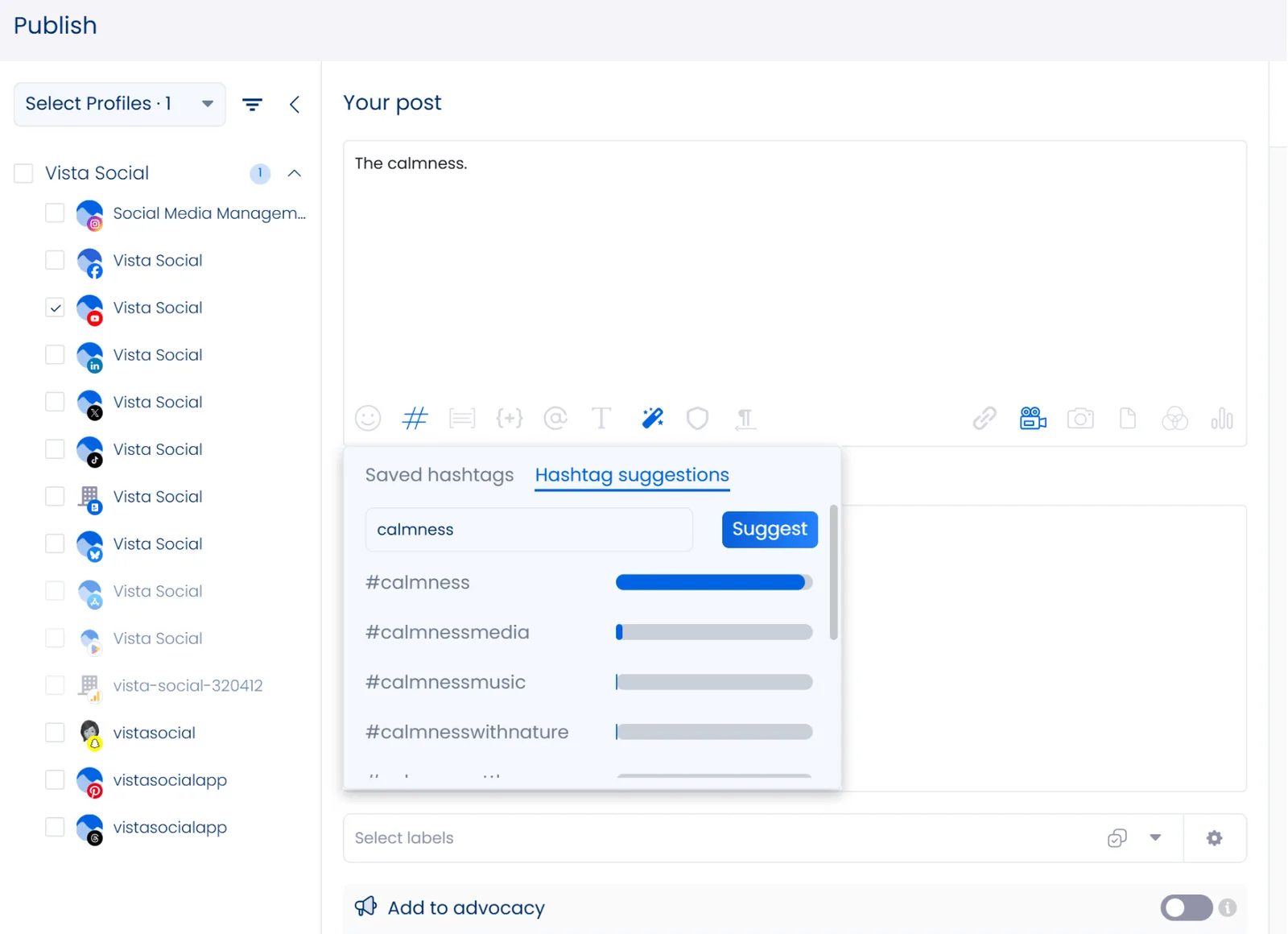
The tool can instantly give you hashtag suggestions for YouTube Shorts and channel content, TikTok videos created from the social media platform you select along with the language you choose plus the topic and keywords you enter.
Vista Social also has optimization algorithms to auto-publish your clients’ posts on optimal schedules. This way, you won’t need to manually find the best times to post on YouTube Shorts and your clients’ channels for maximum engagement.
Other helpful Vista Social features include engagement management options, YouTube analytics with reporting, social listening tools that track conversations, plus review management that helps you respond with more confidence.
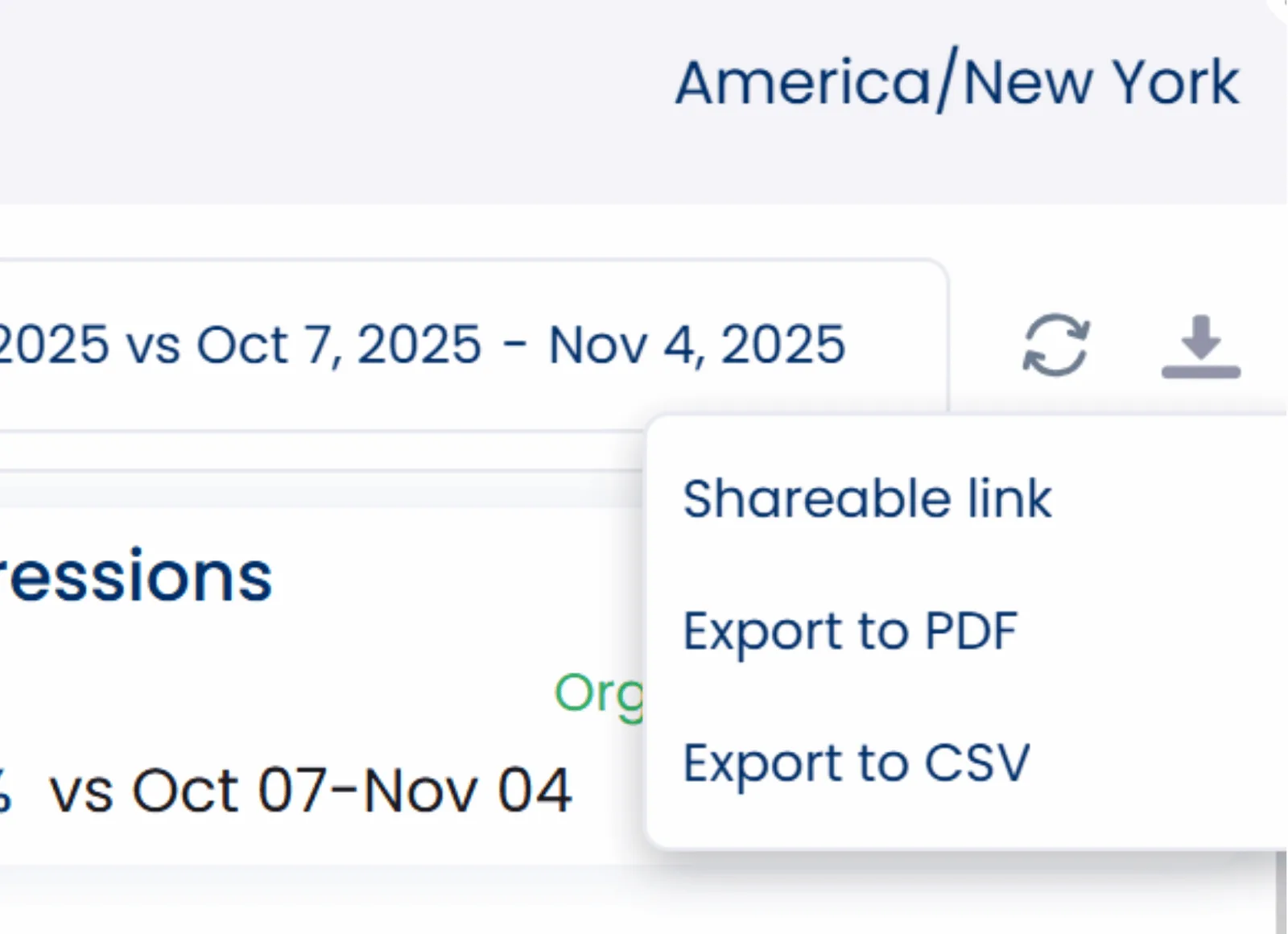
Vista Social’s reports now include a grid view of all your clients’ selected profiles, giving you a top-level view of key metrics across profiles for easy tracking and comparison.
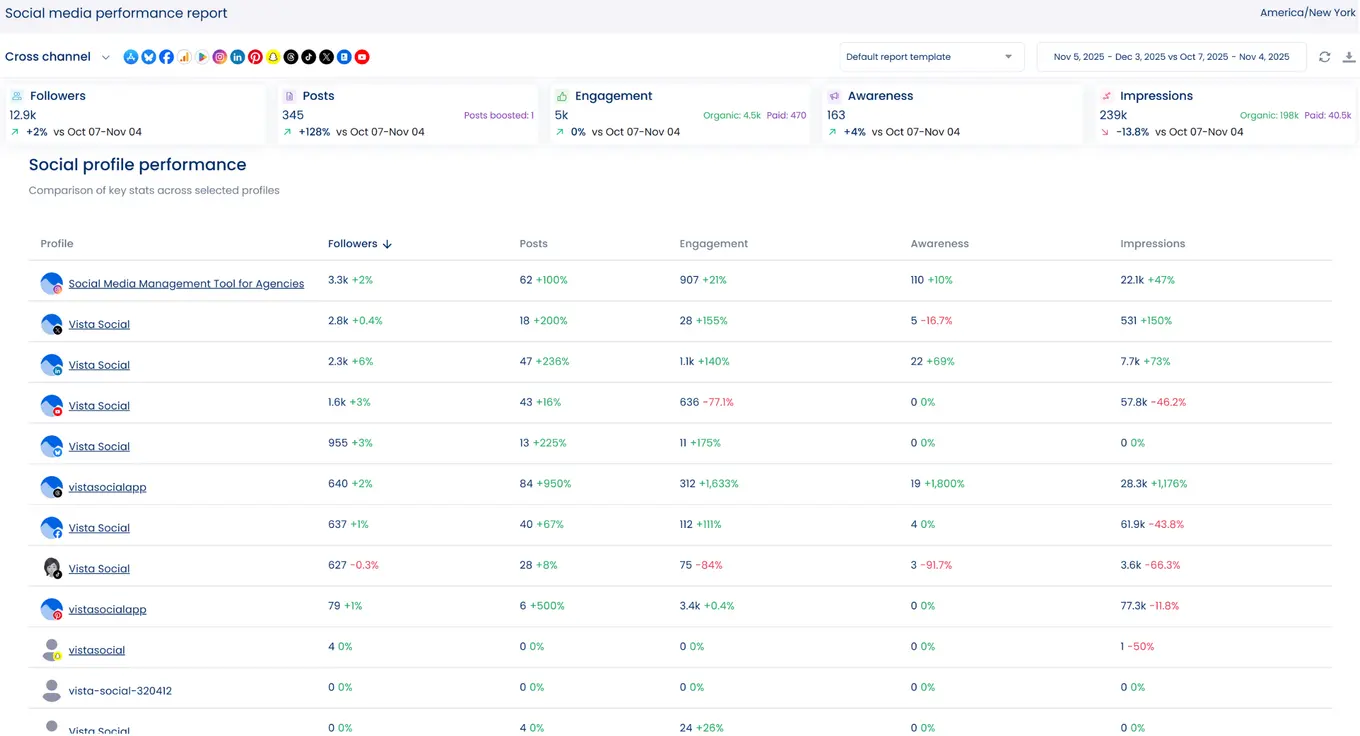
You can also share reports through a direct link, which is a simpler and faster option than exporting them as CSV and PDF files and sending them as email attachments.
Another handy Vista Social feature is the option to boost your clients’ posts, even if the content is scheduled, unscheduled, or already live.
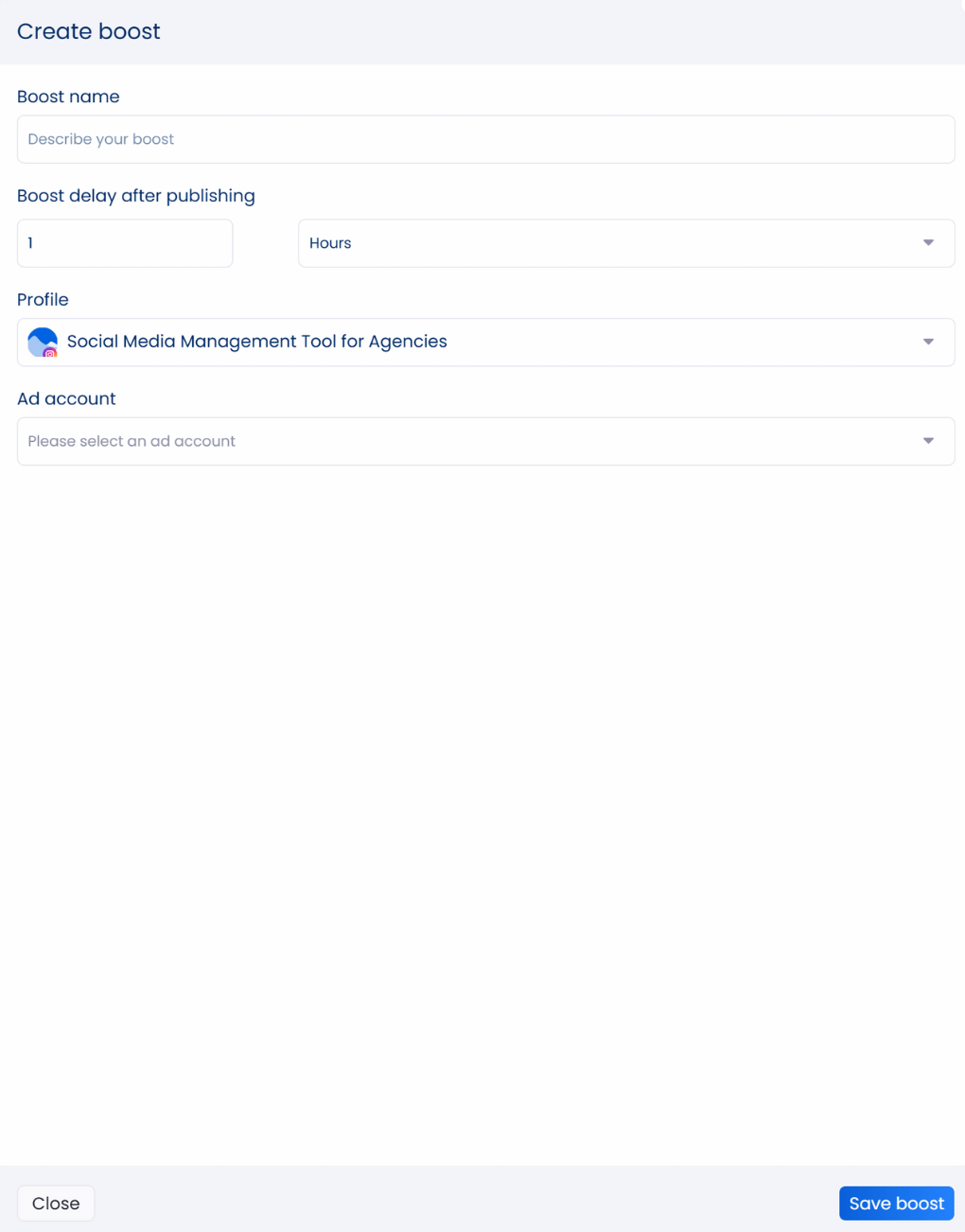
After setting up your Boost configuration, you can enable it when scheduling or editing your clients’ posts in the Publisher.
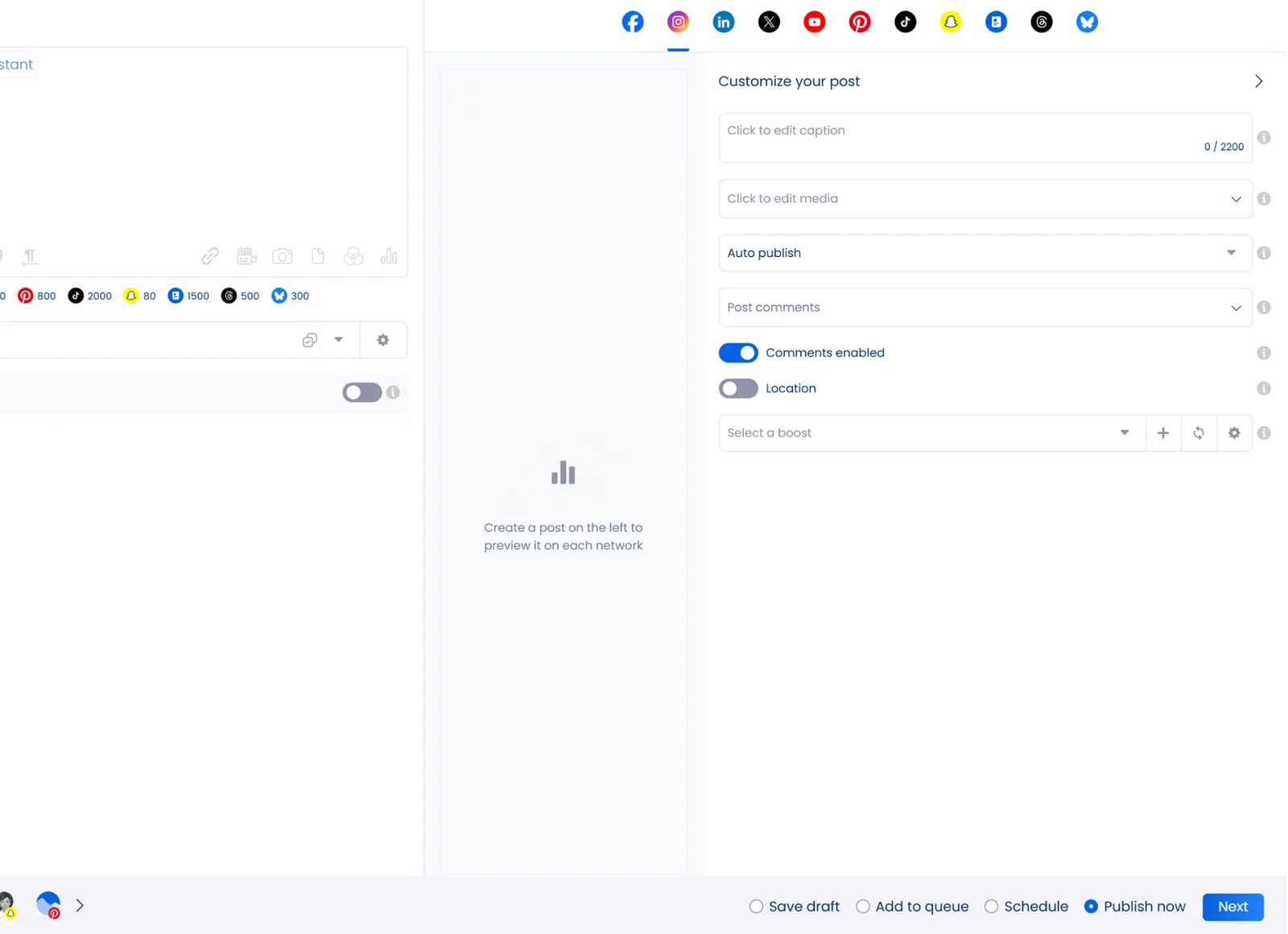
Boosting your clients’ posts helps amplify their visibility and reach.
When should you implement YouTube automation?
Leveraging YouTube automation can be a game-changer for you and your clients, but timing is crucial to success. It’s best to implement YouTube automation in the following situations:
When you have a growing audience
Managing your clients’ YouTube content and engagement can get overwhelming when their audiences grow rapidly. Automation tools can help you keep up with your clients’ expanding audiences.
The tools help you work faster by handling routine actions like putting content on the calendar, checking how people interact with your posts, plus sending quick replies when someone asks something familiar.
This way, you can focus your time and energy on creating quality content that effectively engages your clients’ YouTube channel subscribers and audiences. Automation can help you keep up with the demand for fresh content and consistent interactions with a growing audience. It lets you engage your clients’ audiences without stretching your resources too thin.
When maintaining consistent content production
Automation can be the best solution if you’re struggling to maintain a consistent posting schedule due to time constraints. Automation streamlines your core YouTube tasks, from content planning and creation to publishing. You can use tools with auto-schedulers and content calendars to plan and schedule weeks or months’ worth of YouTube posts in advance.
The tools help ensure regular content flows while freeing up precious time to brainstorm and create high-quality videos for your clients’ YouTube channels. Consistently producing high-quality videos is crucial for retaining your clients’ audiences’ attention while growing their subscribers.
When you have high engagement needs
As your clients’ YouTube channels grow, so does the need for engaging their communities. Automation tools can help by streamlining tasks such as responding to messages and comments, ensuring timely responses and engaging interactions.
Reliable automation tools with features like automated replies still help, but you need to mix in real manual responses because YouTube has tightened its detection of repetitive comment patterns. The platform now flags replies that look copy-paste, even if they come from legit tools, so your responses should feel natural and varied.
These can help keep audiences engaged while showing them that your clients value their feedback, fostering a loyal community.
When making data-driven decisions
Analyzing your clients’ YouTube content strategies to refine them often requires analyzing massive amounts of data. The process can drain your time and energy unless you lean on automation tools that simplify the work.
Automation software can monitor your clients’ YouTube data while giving you a clear view of how their content performs so you can pull meaningful insights without slowing down your workflow. The tools can track metrics like watch time and viewer demographics while also giving you a clear look at how people interact with your content.
These insights guide your next steps and decisions for optimizing your clients’ YouTube strategies and tailoring content to audience preferences. The tools can track metrics such as watch time, viewer demographics, plus different interaction signals that help you understand how people respond to your content.
When you want to diversify with various content types
Automation can be a huge game-changer if your clients want to branch out their YouTube videos into more content formats like vlogs, tutorials, plus live streams because it lets them expand without adding heavy manual work. Automation tools can help you manage and schedule various YouTube videos without a hitch.
For example, many automation tools let you schedule various YouTube video formats for auto-publishing, including YouTube Shorts.
The tools also help ensure you publish your clients’ videos optimally for maximum engagement. Diversified content that resonates with your clients’ viewers keeps people engaged and lifts overall performance since more viewers stay interested long enough to act on what they see.
When you have a heavier workload
Automation can free up valuable time and resources, especially when your workload increases because of additional collaborations and projects. With automation tools, you can focus on the creative aspects of running your clients’ YouTube channels instead of pouring all your time and effort into repetitive tasks.
Automated workflows allow you to streamline tasks, from basic audience interactions and content scheduling to data analysis. YouTube automation can reduce the burden on your shoulders while improving your productivity. It can help ensure your creative output doesn’t suffer because of a needlessly heavy workload.
When handling repetitive tasks
Dealing with repetitive tasks such as scheduling posts and tagging videos is tedious and time-consuming. Handing these tasks off to a reliable automation tool can make the process more efficient, allowing you to focus your time and effort on more strategic work.
Automating repetitive tasks helps increase your productivity while giving more time and energy to creative and strategic planning. With automation, you can enhance the overall quality of your clients’ YouTube content more efficiently and effectively.
When should you not implement YouTube automation?
The truth is that YouTube automation isn’t always the solution. You’re better off not automating in some situations, including the following.
When the channel is new
It’s best to use automation tools when you have a solid understanding of your clients’ content and audience. If your clients are still figuring out their niche and what resonates with their viewers, your best bet is to focus on organic engagement first to build a solid foundation.
Engage with your clients’ early followers so you can understand what they like. Use what you learn to shape the content and build a community that feels involved from the start. Automation can come later when you have a clearer picture of what works best for your clients’ channels.
When you have low engagement levels
Automation may not be beneficial if your clients’ YouTube channels don’t get your expected engagement. Direct interactions help clients build authentic relationships with early followers, allowing for more effective engagement and channel growth.
Implementing YouTube automation can be tempting, but at this stage, your clients may have more impact on audiences and build a loyal viewer base with personal responses and real-time interactions. You can still automate tasks like post scheduling, but for now, leave interactions and other engagement efforts in human hands.
When you have complex content needs
Automation tools can sometimes limit the unique flair and personal touch your clients need for their channels’ content. Manual control can be a better option in these instances since it ensures that creativity isn’t compromised or limited. Automation is excellent for routine tasks, but creativity thrives on personal input and spontaneity.
For highly tailored content, it’s best to maintain manual control over your clients’ YouTube content and engagement efforts to ensure you meet client needs.
When you lack the technical know how
If you or your team lack the technical skills to configure and manage automation tools effectively, it can result in more frustration than benefits. While every tool can be learned, it’s best to wait until you know the automation tool and how to implement it correctly before incorporating it into your YouTube marketing workflows.
Understand how the tool is set up and learn the troubleshooting methods that help you keep it running smoothly so you can get more value from the automation software. Remember, your automation tool should help and not hinder your workflows and tasks from effectively managing your clients’ YouTube channels.
When you have a limited budget
Top-quality automation solutions can be costly. If your clients’ budget is tight, it may be better to initially invest in content creation and promotion and use automation once your efforts gain traction. Spending wisely when your clients’ YouTube channels are starting allows you to prioritize areas directly impacting their audience engagement and growth.
Allocate funds to create top-quality content and effective promotion before investing in automation solutions that may stretch your and your clients’ budgets. Sometimes, it may be best to hold off on using automation to ensure you maintain the quality and authenticity of your clients’ YouTube channels.
Boost engagement with YouTube automation
Vista Social offers many automation features that established agencies and long-time social media marketers use.
Take your YT marketing efforts up a notch without breaking a sweat. Use YouTube automation now to publish videos with less effort so you can focus on your audience and keep your workflow moving without interruptions.
YouTube Automation FAQs
Check out the frequently asked questions about YouTube automation below.
Is YouTube automation legal?
Yes. YouTube automation is legal, but it’s crucial to ensure that automating YouTube tasks and activities don’t violate the platform’s policies and guidelines. Avoid using automation in ways that create spammy behavior or mislead people or push fake engagement because those actions break platform rules and can hurt your channel.
Is YouTube automation worth it?
Yes. Automating YouTube tasks can lighten your workload and help you move faster. It supports your editing flow and keeps your publishing pace steady. A smoother system gives your videos a stronger shot at performing well while helping you attract more people to your channel. This steady rhythm also creates space for growth so you can increase your earnings without feeling overwhelmed.
Is YouTube automation risky?
The biggest risk of YouTube automation is getting your client’s account banned. However, this only happens if your clients use automation for suspicious and unethical activities that violate YouTube’s terms of service and community guidelines. You should be good to go if you use automation for legitimate purposes.
Try Vista Social for free
A social media management platform that actually helps you grow with easy-to-use content planning, scheduling, engagement and analytics tools.
Get Started NowAbout the Author

Content Writer
Jimmy Rodela is a social media and content marketing consultant with over 9 years of experience, with work appearing on sites such as Business.com, Yahoo, SEMRush, and SearchEnginePeople. He specializes in social media, content marketing, SaaS, small business strategy, marketing automation, and content development.
Loading related tools...

The most complete social media management platform for teams who demand more.






Tools
PublishingAnalyticsEngagementIntegrations
FacebookInstagramLinkedInRedditSnapchatThreadsTikTokX (Twitter)YouTubeMCPVista Page (link-in-bio)All IntegrationsCopyright © 2026 Vista Social LLC. All Rights Reserved.