


Published on October 5, 2026
9 min to read
Generative Engine Optimization: How Brands Get Cited Inside AI Answers

Summarize with AI

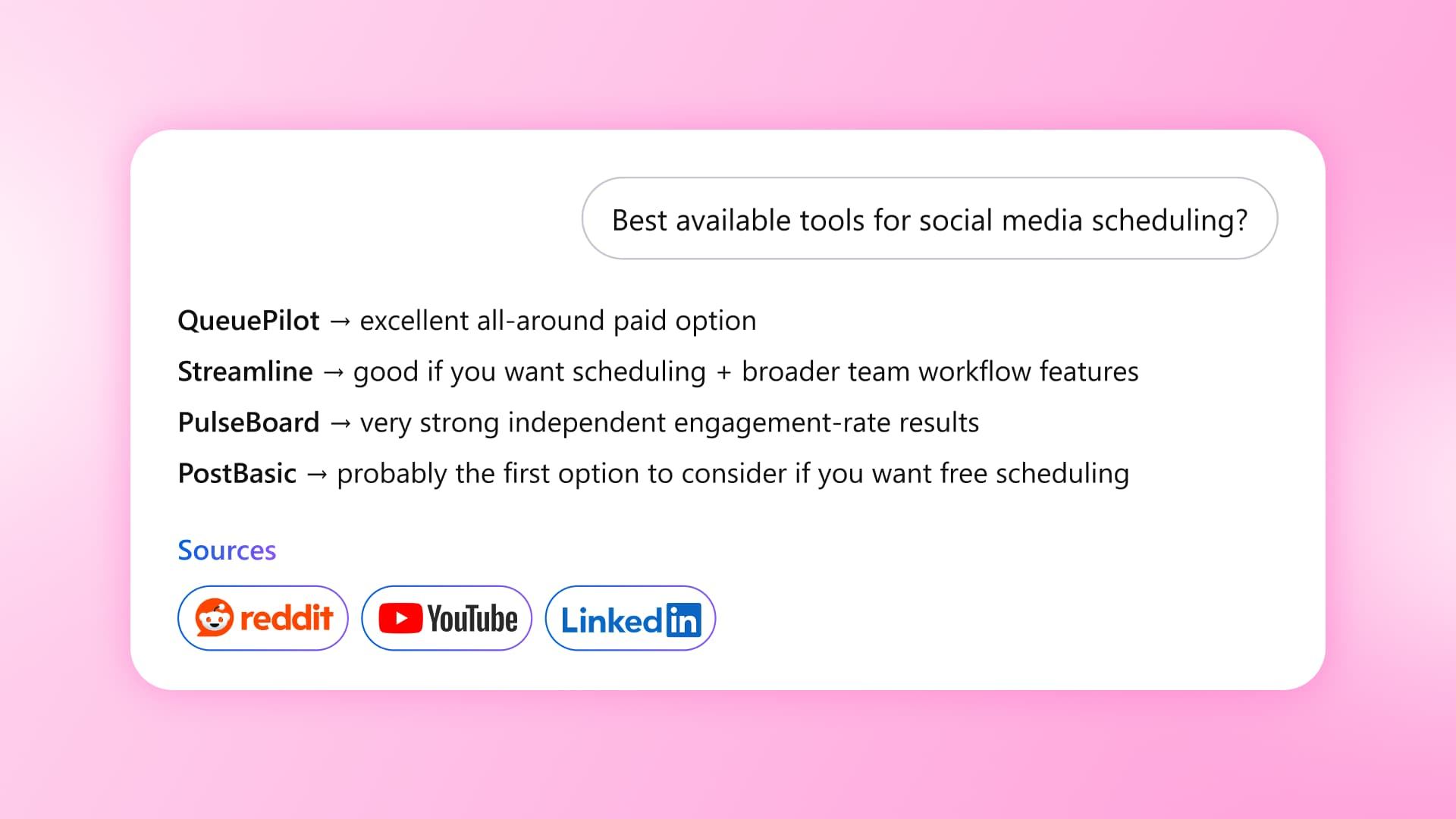
Table of contents
Summarize with AI

ChatGPT

Claude

Perplexity
Share

Vista Social

X (Twitter)


Open an AI assistant. Type the question your best prospect would ask: “What is a good social media scheduling tool for a five-person agency?
”Three products appear, but your website is absent. Beneath the answer sits a Reddit thread, a listicle, and a YouTube review.
Run the same question in Claude, Gemini, Perplexity, or Microsoft Copilot and the list may change with the sources. The first response was one answer from one system, at one moment, and from one source pool.
That uncertainty has created a market for confident advice. One guide says every heading needs a question, while another recommends 40-word answer blocks. A third claims a new file will make a site easier for every model to understand.
The mechanics sound settled because the writing is certain, even when the engines have published nothing to support the claim.
Generative engine optimization needs a stricter standard because folklore wastes time. This article marks each claim as documented by a platform, observed in a named study, or still unknown. That leaves marketers with fewer claims, but each one has an owner.
Getting cited inside an AI answer depends on a footprint across sources. Large-scale research suggests nine out of ten cited URLs remain specific to one engine.
The short version
- GEO is a sourcing practice. It helps an assistant find, quote, and credit your brand.
- The documented rules are limited. Google, OpenAI, Anthropic, Perplexity, and Microsoft explain access or grounding, while claimed “ranking factors” usually come from outside studies.
- Citations do not travel reliably. One 2026 study found only about 2% of cited URLs across all three systems it tested for the same prompt.
- Much of the work happens beyond your website. Public conversations, videos, reviews, and news coverage all appear in citation studies.
Table of contents
What is generative engine optimization?
Generative engine optimization makes your brand and its facts easier for an AI assistant to find, quote, and credit. It improves source access and public proof instead of securing a fixed position.
Answer engine optimization, AI search optimization, and LLM optimization describe roughly the same work. Their boundaries remain loose because no standards body has defined them.
Two outcomes need separate treatment:
| Outcome | What happened | What it proves |
| Citation | A page appears as a linked source beside or beneath an answer. | The page supported some part of that answer. |
| Recommendation | The assistant names the brand as a good option. | The brand appeared for that prompt and run, but the links may not explain why. |
A citation and a recommendation can occur separately. Keeping them distinct prevents one useful link from becoming an inflated claim about “ranking first in AI.”
Vista Social’s guide to AI recommendations covers the audit and source work. This article stays with the evidence and mechanism.
Three evidence levels keep GEO advice honest
Before accepting a GEO tactic, ask what backs it.
| Evidence level | What qualifies | How confidently to act |
| Documented | The engine publishes the rule or advice in its own docs. | Treat it as a current platform rule, then check it again later. |
| Observed | A named study reports a pattern, sample, date, and method. | Use it as a signal within the study’s limits. |
| Unknown | A claim relies on a guess, repetition, or an unnamed test. | Do not rebuild a plan around it because the mechanism remains unverified. |
Outside research remains useful when an observed relationship is not sold as a private ranking rule.
What major AI answer systems publish in 2026
Official guidance is less dramatic, but each statement has a known owner. Five major platforms document part of their web access or grounding.
Google Search
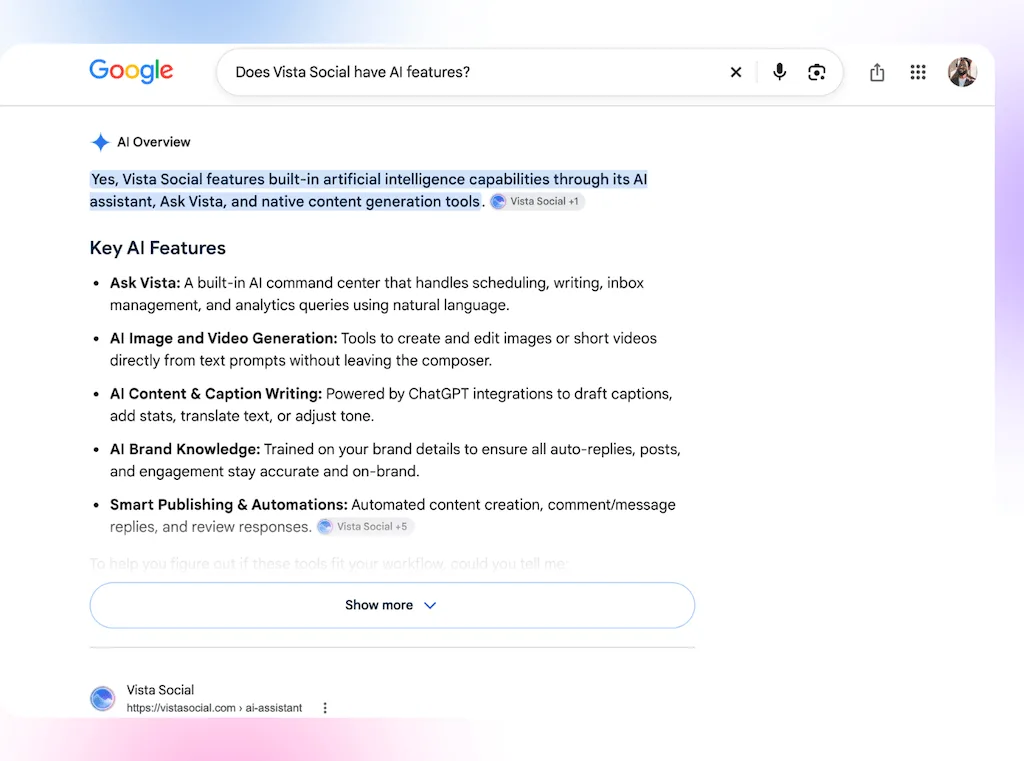
Google says AI Mode and AI Overviews use core Search ranking and quality systems. Its conclusion is that “the best practices for SEO continue to be relevant.”
Its July 2026 generative AI search guide says Search needs no llms.txt file or special AI markup. It also rejects tiny content fragments and a separate AI writing style. Pages still need to be indexed, original, and useful.
Gemini
Gemini is not another label for AI Mode. Google’s Gemini API documentation says Search grounding can generate queries, process results, and return citations attached to passages.
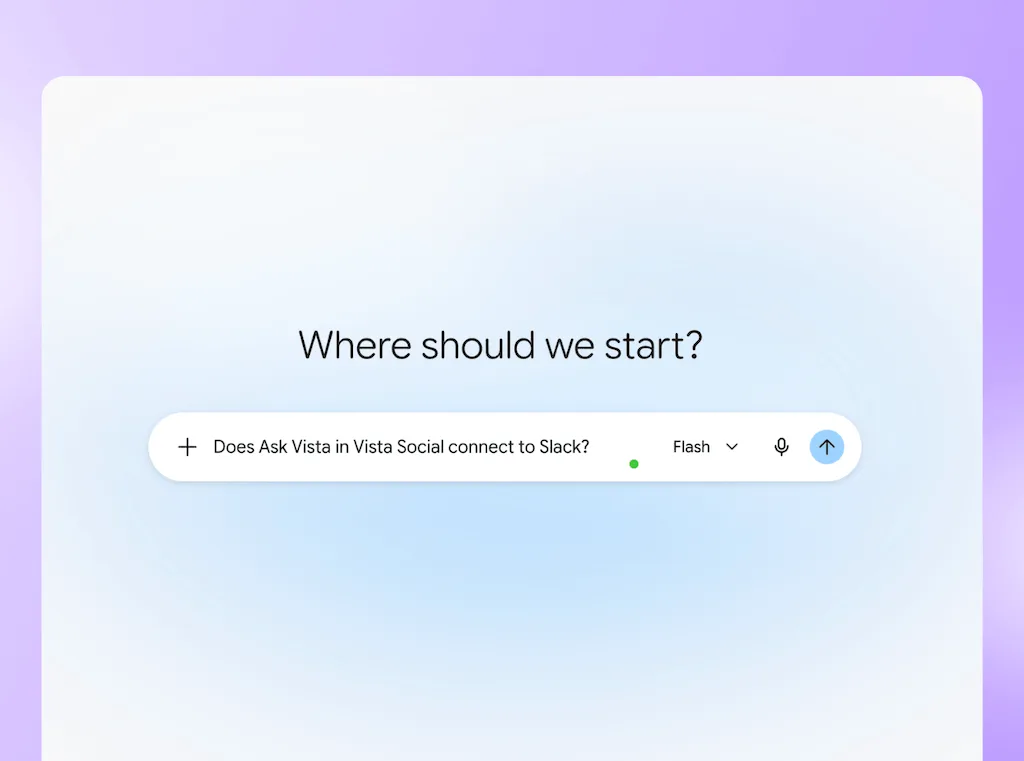
This describes grounded Gemini applications, but it is not a citation formula for the consumer app. Google Search visibility can feed grounded answers, but no separate Gemini ranking system is disclosed.
ChatGPT Search
OpenAI’s crawler docs state that sites blocking OAI-SearchBot “will not be shown in ChatGPT search answers.” Direct links can still appear.
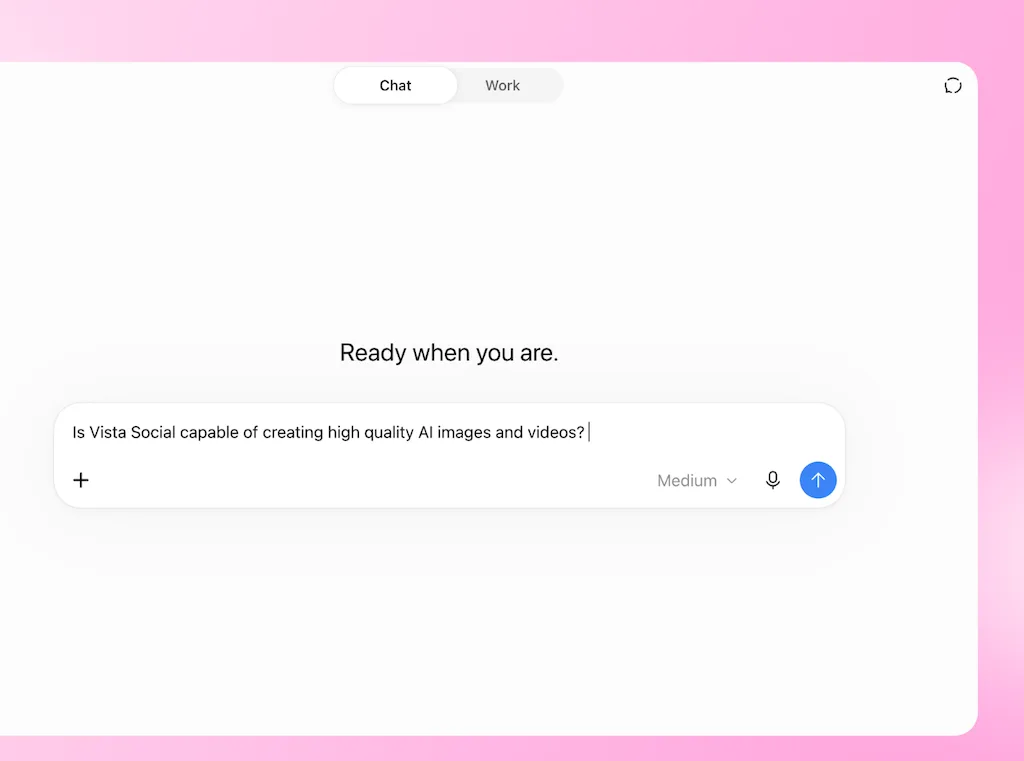
GPTBot controls possible training use, while ChatGPT-User handles some user-requested visits. OpenAI says robots.txt changes can take about 24 hours to affect search. Still, access does not explain source selection.
Claude
Anthropic documents three web agents. Its search crawler indexes public pages. Its user agent fetches pages when somebody asks Claude, while ClaudeBot gathers material that could contribute to training.
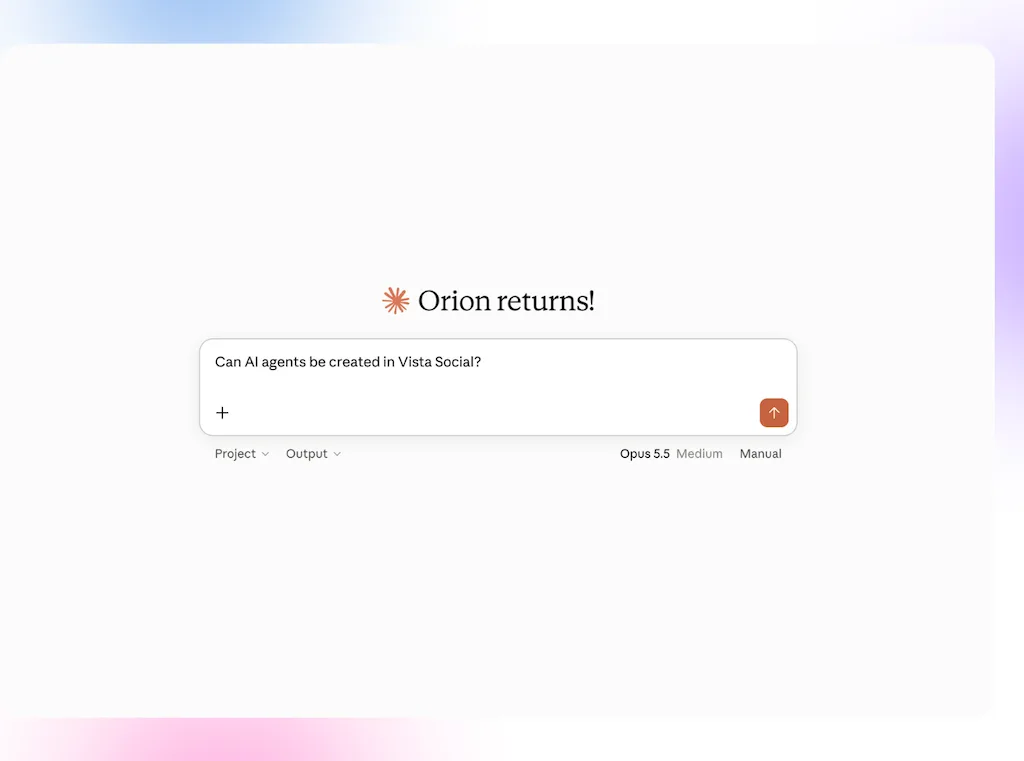
Blocking either search agent can reduce visibility or retrieval, but Anthropic publishes no checklist that guarantees a citation. Claude’s searched answers also include source links.
Perplexity
PerplexityBot surfaces and links websites in search results. It “is not used to crawl content for AI foundation models.” Perplexity-User handles visits prompted by a person’s question and may ignore robots.txt.
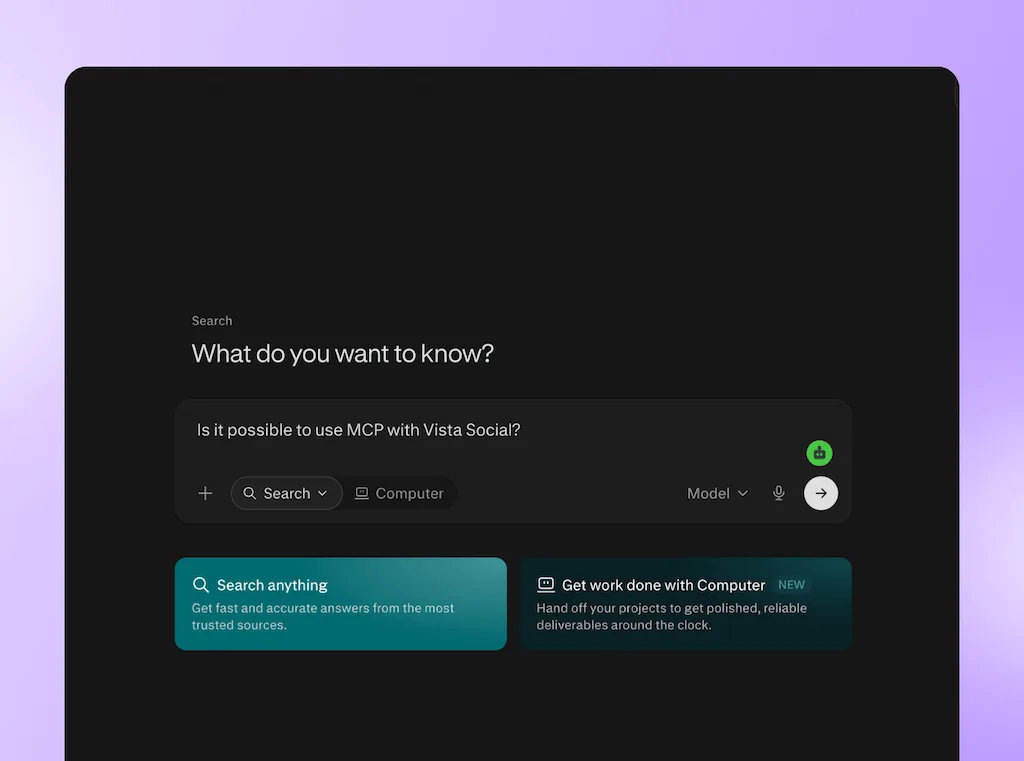
Crawler access is testable. Claims that one heading style, word count, or schema wins citations remain unverified.
Microsoft Copilot
Microsoft’s documentation says web-grounded Copilot responses can send focused queries to Bing and use returned pages in cited answers. Organizational experiences may also draw from private Microsoft 365 data.
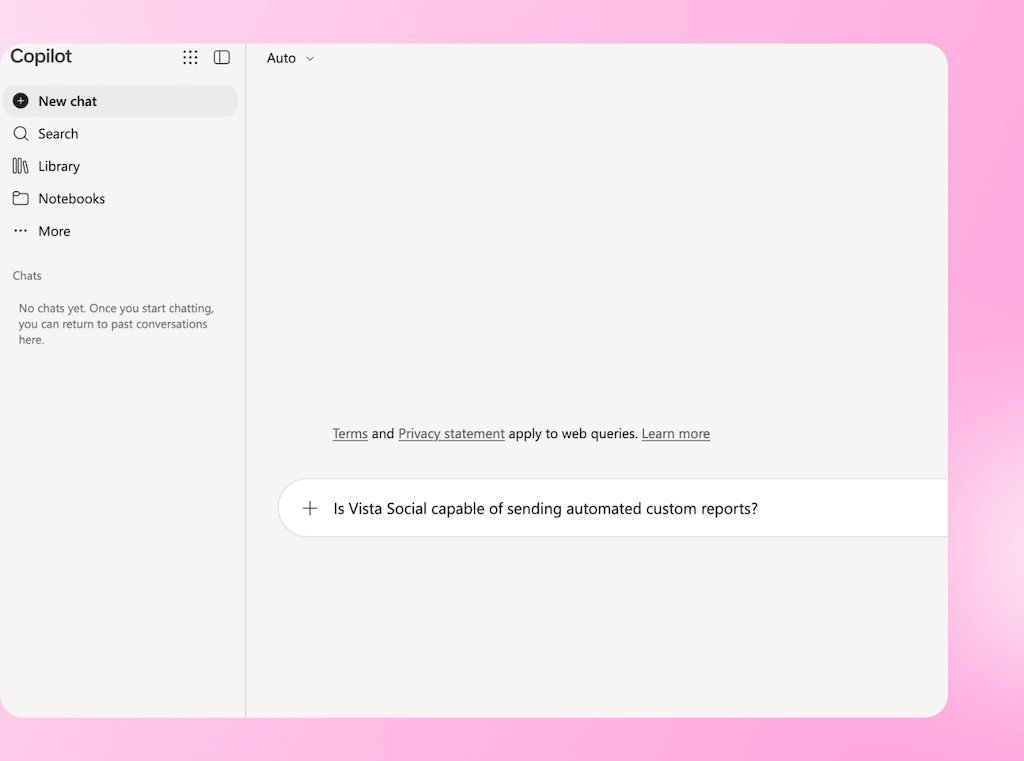
Instead of assuming Google indexing covers every assistant, check important pages in Bing Webmaster Tools. Microsoft publishes no citation formula.
Grok and smaller assistants are absent because comparable publisher guidance was not clear enough to support a rule. That is an evidence limit, not a claim about whether they use the web.
GEO vs SEO: what changed and what did not
Cyrus Shepard reviewed 54 tests, patents, and case studies in May 2026. He summed up the overlap plainly: “Win SEO, win AI citations (most of the time, with extra steps.)” He labels the traits as links, not confirmed ranking factors.
The fundamentals carry across both disciplines:
- Make important pages accessible to the relevant crawlers.
- Publish accurate material that answers a real question better than a basic summary can.
- Earn references from sources people already trust.
- Keep brand facts aligned across owned profiles and outside coverage.
The differences affect how success is understood: The familiar work still matters, while GEO adds a fragmented answer layer around it. That includes the social signals surrounding search visibility and sources beyond the website.
Why one citation is not a ranking
Kevin Indig’s 2026 study offers better terms for this problem: “Presence tells you whether you’re visible. Portability tells you whether that visibility is resilient.”
Although one favorable screenshot proves an answer appeared, it does not establish a position the brand owns.
For a method you can repeat, use the LLM visibility guide rather than folding all engines into one invented rank.
Where AI answers pull from
Platform docs publish no universal source order. Outside studies instead show a mix of owned pages, news, discussions, videos, work posts, and reviews.
Semrush placed Reddit and LinkedIn among the five most-cited domains in its three-system study. YouTube also appeared among AI Mode’s leading sources, while shares changed by platform and week.
Google’s guide confirms that AI features can surface material from blogs, videos, and forums. It also warns against chasing fake mentions. Website work alone cannot maintain that full public footprint.
Observed citation patterns make those surfaces worth maintaining, but they do not guarantee inclusion. The Reddit SEO guide and brand reputation guide cover the channel work without pretending one post controls an answer.
What it looks like when public presence compounds
In June 2025, Tally reported $3 million in annual recurring revenue and more than 800,000 users. The company had no venture funding, while its team of eight included four part-time roles.
“ChatGPT became our #1 referral source.”
Co-founder Marie Martens, Tally
She reported more than 2,000 new users per month from AI tools, with signup surveys suggesting more.
Tally described no formal GEO campaign. Its team had spent years answering questions, writing publicly, and joining forum and Reddit discussions. Martens presents that history as a likely explanation, not a proven cause.
Tally is also a self-serve product with a vocal user base. Its account documents ChatGPT referrals, not results in Claude, Gemini, Perplexity, or Copilot. For that reason, it shows potential rather than a formula.
What you can control right now
The useful list is short because the documented ground is short.
1. Check crawler access
Ask a developer or SEO owner to check access for Googlebot, OAI-SearchBot, Claude-SearchBot, Claude-User, and PerplexityBot. Confirm that Bing indexes the key pages for Copilot. Keep search access separate from training controls when setting policy.
2. Make brand facts agree
Compare your category, audience, features, prices, locations, and limits across the website, social profiles, review pages, and key coverage. Correct major conflicts with a current primary source rather than a sales request.
3. Maintain the places buyers already discuss the category
Choose the communities, work networks, video channels, and review sites that appear in your source checks. Publish and take part because the material helps the audience. Say who you work for and keep each response human.
4. Stop rebuilding around folklore
Do not rewrite the entire blog into question headings, artificial answer blocks, or tiny fragments because one guide claimed an engine prefers them. Google explicitly says no special AI writing style or chunk size is required for its products.
Run one prompt across the main answer surfaces
Use the same buyer question, date, location, and account state. Record whether live web access was active instead of comparing one grounded answer with another assistant’s model memory.
How can you tell if GEO is working?
Tracking is improving, but it remains split. Google now offers a Generative AI performance report in Search Console for its own AI search tools. That first-party report does not combine results from other assistants.
Use each signal for the narrow question it can answer: Keep the prompt wording, location, account state, search setting, and date with every manual check. Report “cited in two of five recorded runs” instead of “ranked second in AI.”
How much effort does GEO deserve?
Match the work to how your buyers find products, not to the noise around the acronym. For example, a monthly source and fact check deserves an owner when prospects ask assistants to compare your field.
BrightLocal’s 2026 US survey found local use of generative AI recommendations rose from 6% to 45% in one year. That local finding is not a broad B2B benchmark.
By contrast, one hour each quarter may be enough when most customers arrive through referrals or sales outreach. Waiting six months before funding a full program is fair because the source pools still change fast.
Nothing here becomes wasted work if the label disappears because the outputs still help buyers. They include correct facts, original work, honest help, current reviews, and open pages.
What your team should do next
When someone asks why your brand is missing from Claude, ChatGPT, Gemini, or Copilot, show your work. Instead of guessing at a ranking rule, name the assistants checked, sources found, wrong facts, and first gap to fix.
Keep search access open where it makes sense and align important facts. Also publish useful proof in places buyers trust. Rerun the same checks and report what changed.
The 30-day AI recommendation playbook then helps you build the baseline, rank the source gaps, and assign actions.
When you are ready to manage the publishing, reviews, and monitoring work in one place, you can also start your free 14-day Vista Social trial. No credit card is required.
Frequently asked questions
Is generative engine optimization just SEO with a new name?
The foundations overlap heavily because Google’s AI search tools use core Search systems. GEO also adds a split answer layer, separate crawlers, and a wider public source footprint.
Do I need an llms.txt file or special markup to appear in AI answers?
Google says no. Its Search documentation states that llms.txt and special AI markup neither help nor hurt visibility in Google Search. Other engines may make different choices, so check their documentation before treating any file as a requirement.
Does blocking AI crawlers hurt visibility?
It depends on the crawler. OpenAI says blocking OAI-SearchBot removes a site from ChatGPT search answers apart from possible navigational links. Anthropic says blocking Claude-SearchBot may reduce search visibility, while blocking Claude-User stops user-directed retrieval.
How do I check whether AI assistants mention my brand?
Run the same buyer prompts in the answer surfaces you care about. Include Claude, Gemini, Copilot, ChatGPT, Perplexity, and Google AI Mode. For each run, save the answer and visible sources, then record the date, place, account state, and whether live web search was active.
Does social media content get cited in AI answers?
Large third-party studies have observed Reddit, LinkedIn, YouTube, and other public platforms among frequently cited domains. That is an observed pattern rather than a documented selection rule, and the mix changes by engine and date.
How long does generative engine optimization take to work?
No evidence supports one universal timeline. Crawl changes can take roughly a day to register with some platforms, while brand visibility depends on changing source pools and public evidence that may take months to build. Treat GEO as maintenance of a public footprint rather than a project with a guaranteed completion date.
Try Vista Social for free
A social media management platform that actually helps you grow with easy-to-use content planning, scheduling, engagement and analytics tools.
Get Started NowAbout the Author

Content Writer
Orion loves to write content that refuses to be boring. As part of Vista Social, he helps brands, creators, and agencies stop doom scrolling and start winning with social media. When he's not in front of a keyboard, he's watching films in IMAX with his wife, dissecting football tactics (the European kind), and getting lost in a good book.