

Published on June 2, 2022
6 min to read
How to Build a Social Media Playbook (For Agencies)

Summarize with AI

Table of contents
Summarize with AI

ChatGPT

Claude

Perplexity
Share

Vista Social

X (Twitter)


A social media playbook helps agencies stay consistent with their content development, engagement protocols, and marketing strategies.
It ensures every piece of social media content you publish is created for the right people, on the right platform, in the right way, and towards the right goals.
So, why don’t you have one?
We get it—most digital marketing agencies are up to the eyeballs with work.
You’re most likely flooded with building your social media strategies for your clients, researching target audiences, or looking for Instagram tools among other software, to streamline your processes.
But remember, without a social media playbook, you’re inadvertently hampering your team’s efficiency. You’ll compromise the consistency and execution of your social marketing tactics.
Continue reading to learn more about social media playbooks, why they’re important, and how to build one like a champ.
Table of contents
What you’ll learn:
- What is a social media playbook?
- How agencies can build a social media playbook
- 5 crucial tips for creating a social media playbook
- FAQs for creating a social media playbook
- Create a social media playbook now
How agencies can build a social media playbook
Here are 6 simple steps to help your agency create a social media playbook for clients:
1. Define their marketing goals
The first thing your social media playbook needs is a set of clearly-defined goals for your client.
Do they want to build buyer confidence and increase conversions? Do they want to build brand awareness and generate a recurring stream of traffic from social media?
Use existing data from your clients for projections that will make their social media marketing goals more realistic. The more specific you can get, the better.
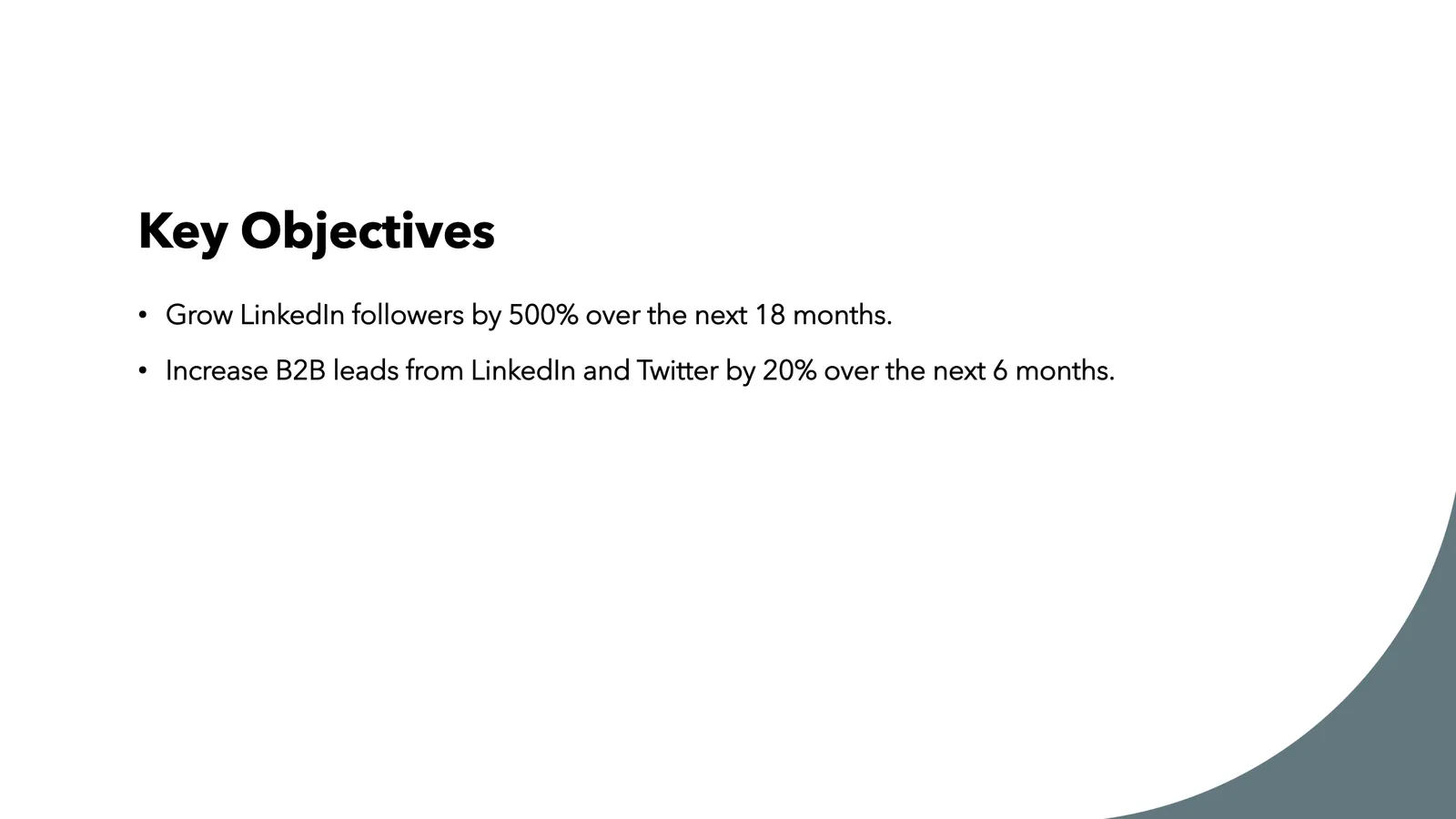
Defining these goals will help you maintain a steady trajectory as you identify the target audience, develop your content strategy, choose your social media platforms, and determine which metrics to track.
2. Create audience personas
After defining your client’s business goals, the next order of business is to define the client’s primary audience.
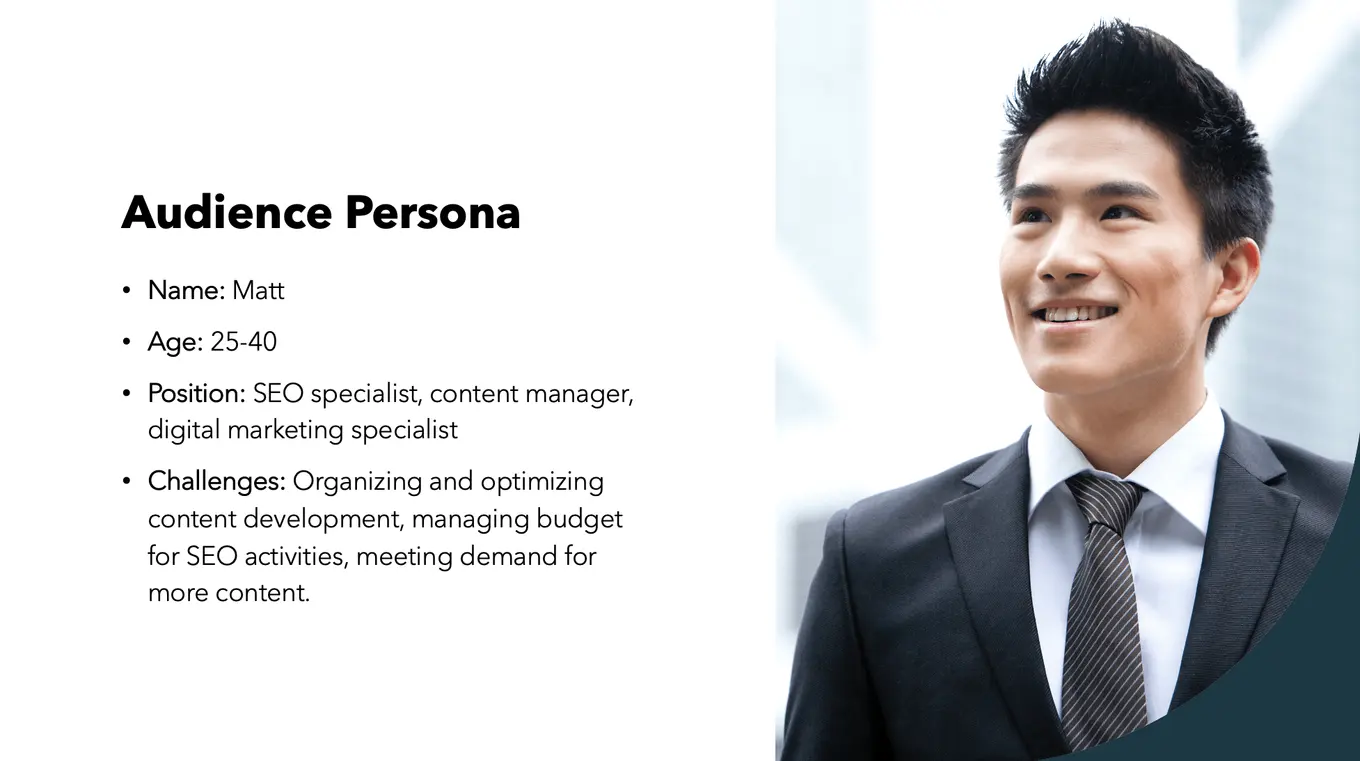
What are the problems they’re trying to solve? How old are they, what do they do for a living, and what are their pain points?
Answer these questions and put them all together to build audience personas. These are fictional profiles that reflect your client’s ideal social media audience.
3. Plan your content strategy
When planning a social media content strategy, agencies need to worry about two things: content creation and content promotion.
In content creation, you primarily need to plan the content topics and content types you’ll use. Start with content pillars that you’ll use to model your client’s social media content strategy.
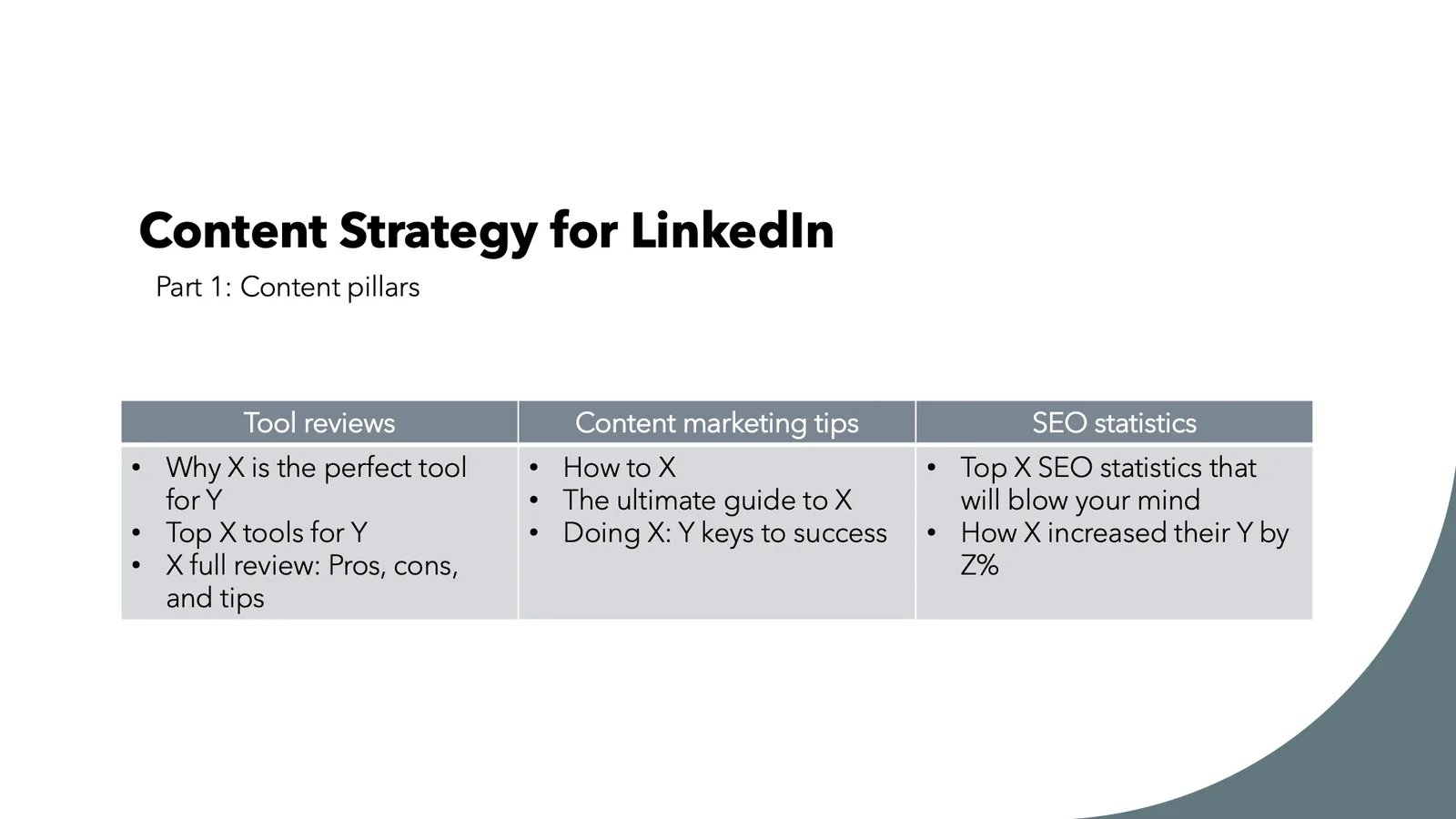
You also need to think about your client’s brand voice guidelines, which are useful in creating captions for posts.
Be sure to cover the following when formulating your content creation strategy:
- The appropriate language for each platform and audience group
- Client’s brand identity (conversational, formal, humorous, etc.)
- Client’s brand values
- Unique aspects about the client and how to incorporate it into your messaging
Content promotion, on the other hand, is about which social media platforms you’ll use and when to publish them. For this, refer to your audience personas to determine the best ways and times to reach them.
4. Establish promotion guidelines per platform
With your audience personas and content strategy ready, it’s time for the finer details of your social media playbook.
You need to document promotion guidelines for the social media platforms your client will use.
For the sake of this guide, let’s say you’re an Instagram marketing agency. Your playbook should outline things like how to share a video on Instagram, what hashtags to insert, how to edit images, what fonts should headlines use, and so on.
Make sure team members get the message by creating a publishing checklist.
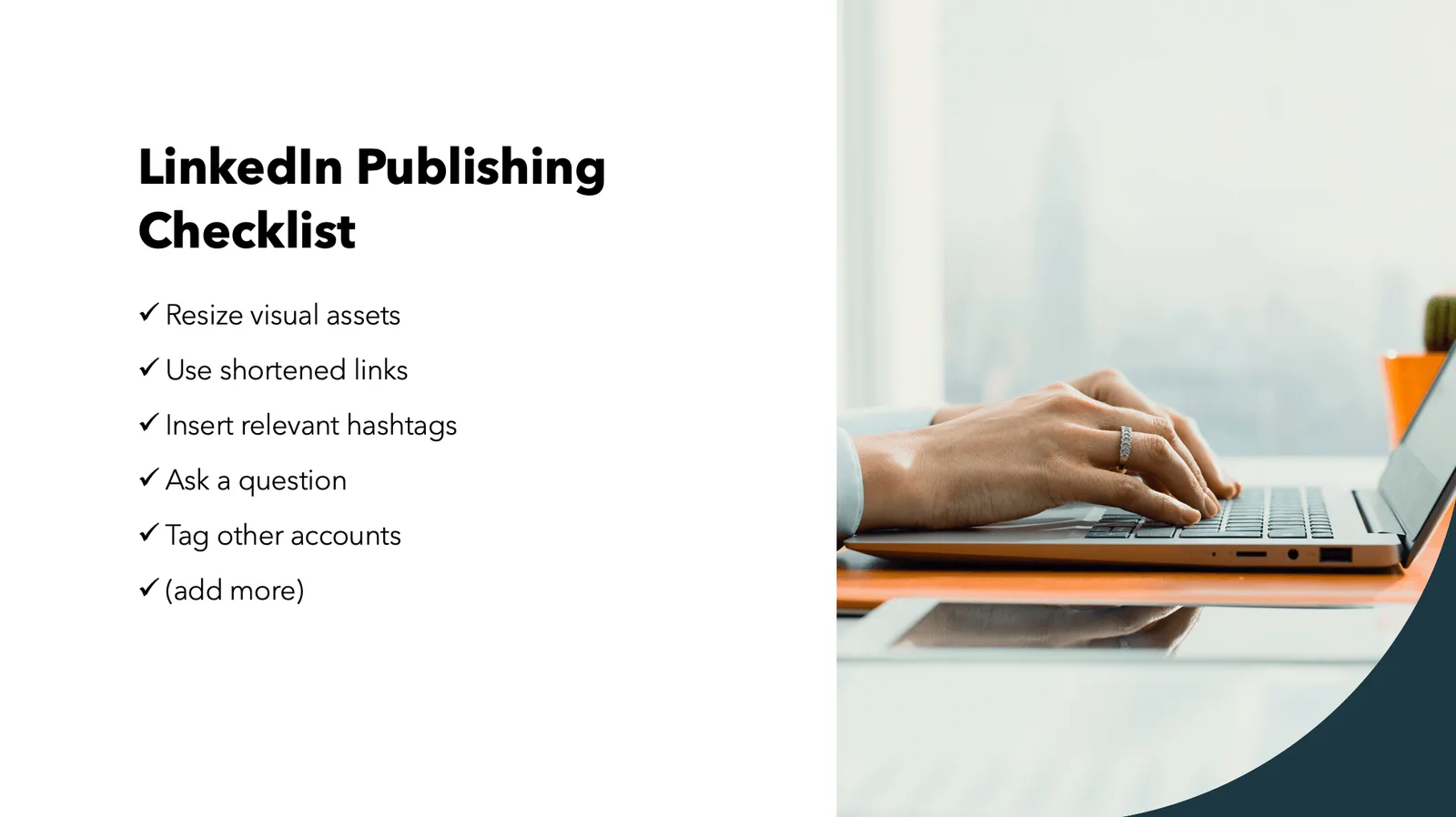
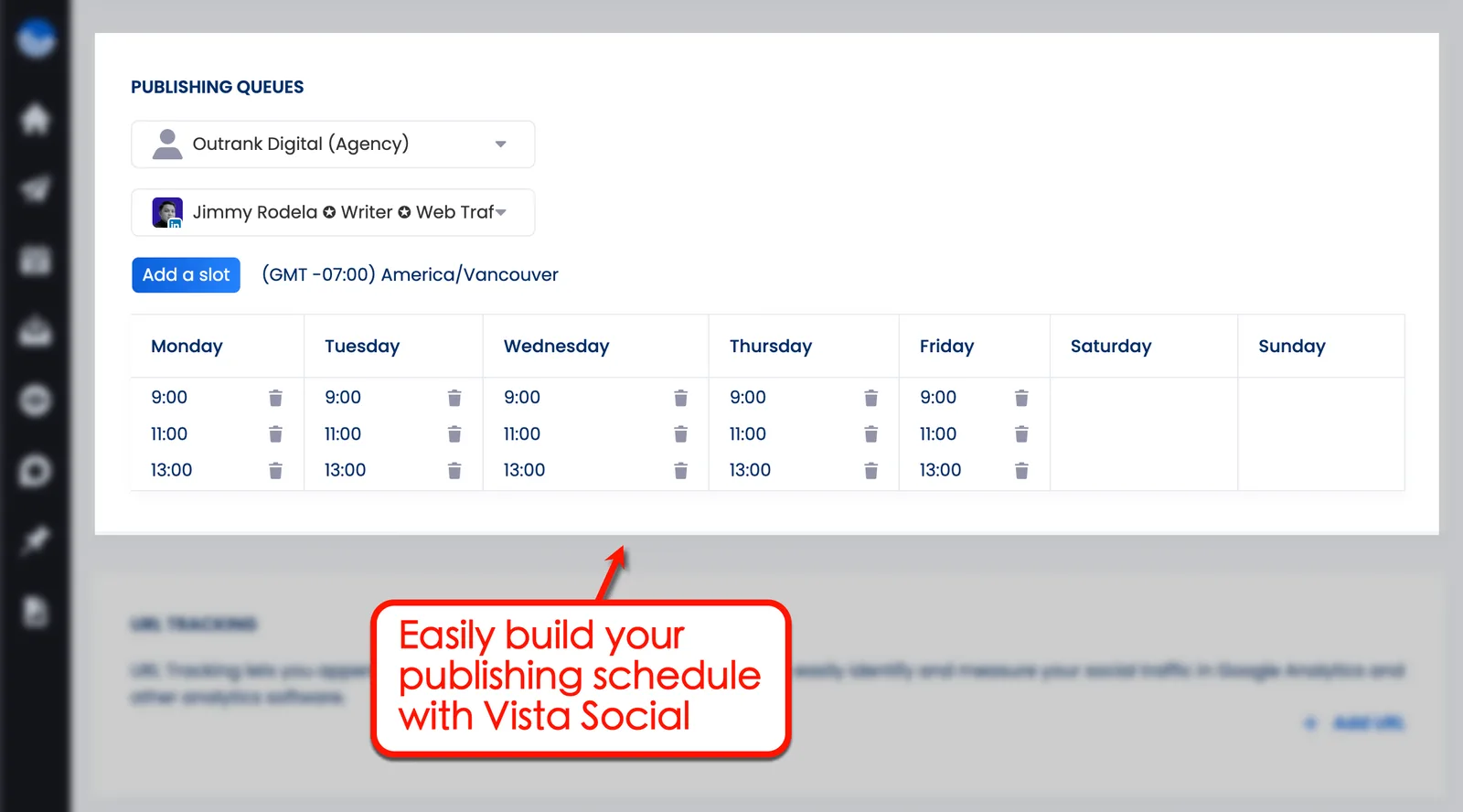
It’s also important to create content calendars that visualize the publishing schedule of your clients.
Vista Social is a powerful tool that lets you plan an effective content calendar that also features automated publishing. Simply create an entity for each client, link their social profiles, and build your publishing queue from the “Publishing Settings” page.
5. Set community management standards
Creating guidelines on how to respond to comments and other communications will keep your client’s brand messaging consistent—regardless of who’s managing social media communications.
A great strategy is to include templates for responses to frequently asked questions and complaints.
Agencies can take this a step further by creating guidelines for outward communication. For example, your playbook could have a section for the best questions to ask on Instagram, influencer outreach messages, and ad copies.
Don’t forget to create community management standards that align with your client’s brand identity. At the very least, identify social engagement opportunities that your team should seize.
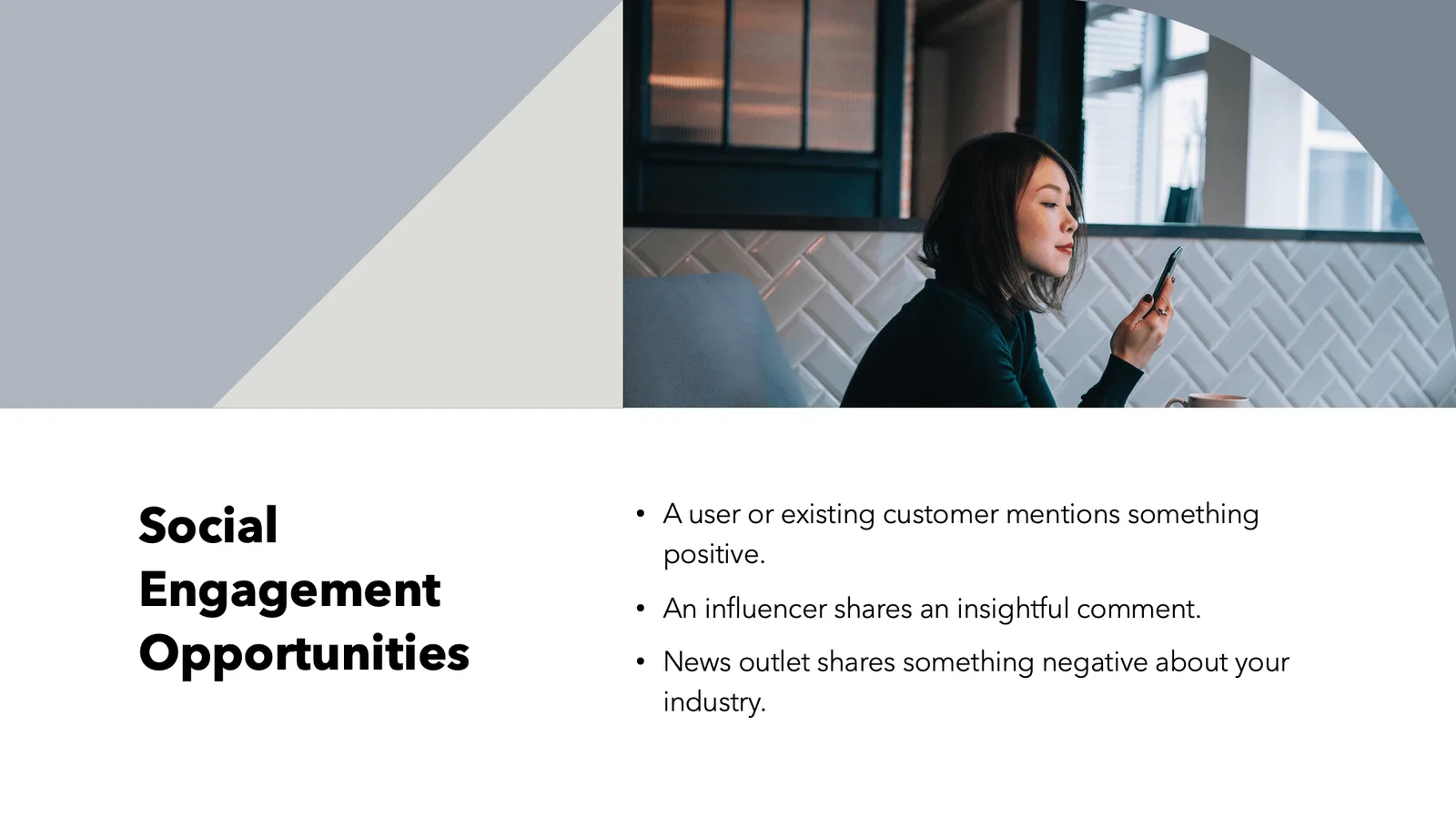
If their brand tone is humorous, build a list of funny things to comment on Instagram. If their tone is formal, a list of words that the audience may deem offensive is a must.
6. Determine KPIs
KPIs (Key Performance Indicators) are a special set of metrics that can measure the effectiveness of strategies in accomplishing goals.
Without KPIs, there’s no way to tell if your strategies are working. And as a result, it’s impossible to hit your client’s marketing goals unless you hit a home run in the first strategy you execute.
KPIs, of course, need to relate to your client’s marketing strategy and goals.
Here are some examples of KPIs normally tracked in a social media strategy:
- Follower count
- Follower growth rate
- Post reach
- User engagement rate
- Click-through rate (CTR)
- Conversion rate
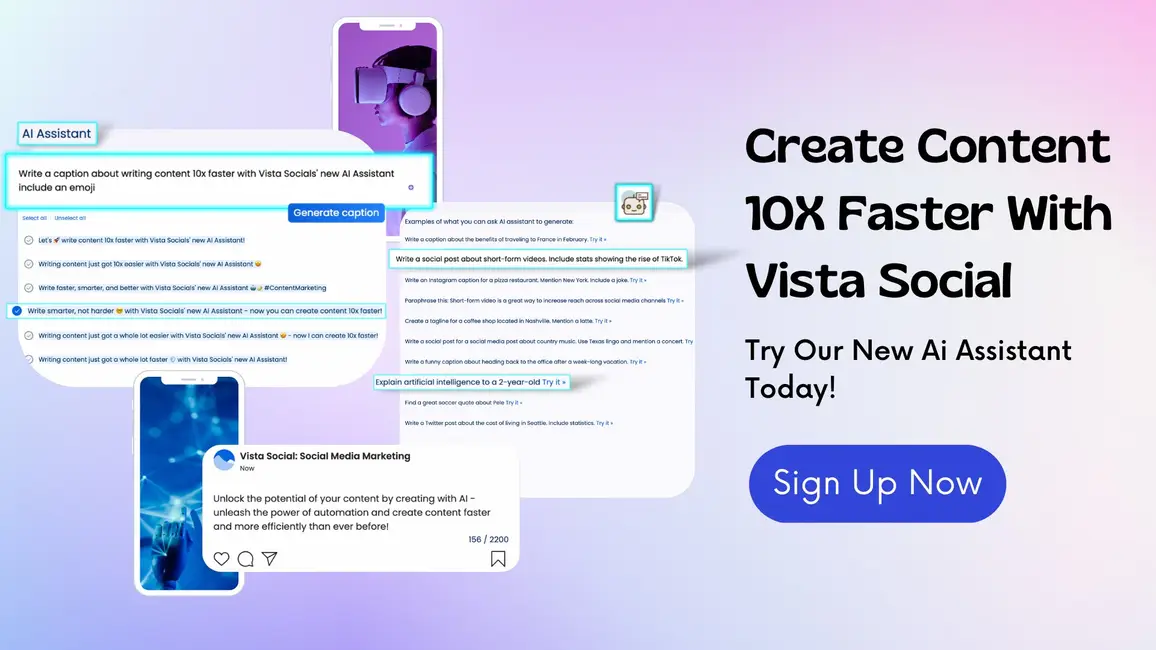
Ready to give your content workflow and posts a major upgrade? Try AI Assistant powered by ChatGPT today! 🤖💙
Try Vista Social for free
A social media management platform that actually helps you grow with easy-to-use content planning, scheduling, engagement and analytics tools.
Get Started NowAbout the Author

Content Writer
Jimmy Rodela is a social media and content marketing consultant with over 9 years of experience, with work appearing on sites such as Business.com, Yahoo, SEMRush, and SearchEnginePeople. He specializes in social media, content marketing, SaaS, small business strategy, marketing automation, and content development.
Loading related tools...

The most complete social media management platform for teams who demand more.




Tools
PublishingAnalyticsEngagementIntegrations
FacebookInstagramLinkedInRedditSnapchatThreadsTikTokX (Twitter)YouTubeMCPVista Page (link-in-bio)All IntegrationsCopyright © 2026 Vista Social LLC. All Rights Reserved.