

Published on January 9, 2026
10 min to read
The Complete Guide to Social Media Branding

Summarize with AI


Table of contents
Summarize with AI

ChatGPT

Claude

Perplexity
Share

Vista Social

X (Twitter)


Every day, your potential customers scroll past hundreds of social media posts. Most blend together into background noise. But some brands cut through the chaos with social media branding that makes their content instantly recognizable.
What separates memorable brands from forgettable ones? A consistent social media branding strategy that works across every platform.
When done right, social media branding transforms your business from just another account into a trusted authority. It helps you build stronger customer relationships, stand out from competitors, and turn casual followers into loyal customers.
This guide reveals exactly how to create that kind of brand recognition for your business. You’ll discover the specific strategies to make your social media branding instantly recognizable, plus practical steps to implement them starting today.
Table of contents
What is social media branding?
Social media branding is how you present your business across all social platforms. It includes your visual design, your brand voice, and your message. Everything should work together to create one clear picture of who you are.
Think of it like wearing the same outfit to every party. People start to recognize your style. They know what to expect from you. The same thing happens with your brand.
Your social media branding includes several key parts:
- Your logo and colors should be the same across every platform
- Your writing style should sound like the same person wrote everything
- Your message should be clear and consistent
Let’s look at Vista Social as an example. On our website, you’ll see our main brand colors with a clean, simple design.
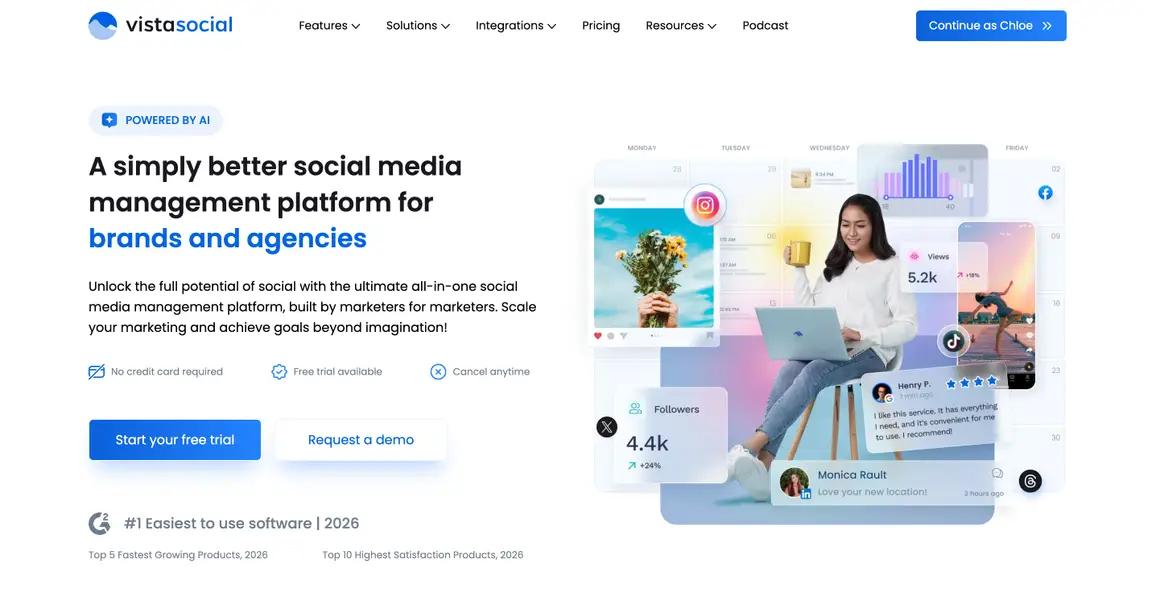
Our logo, fonts, and other brand elements are carried over from our website to our other online channels. The graphics across our social media platforms, blog posts, and emails match too. This helps people recognize our content anywhere they see it.
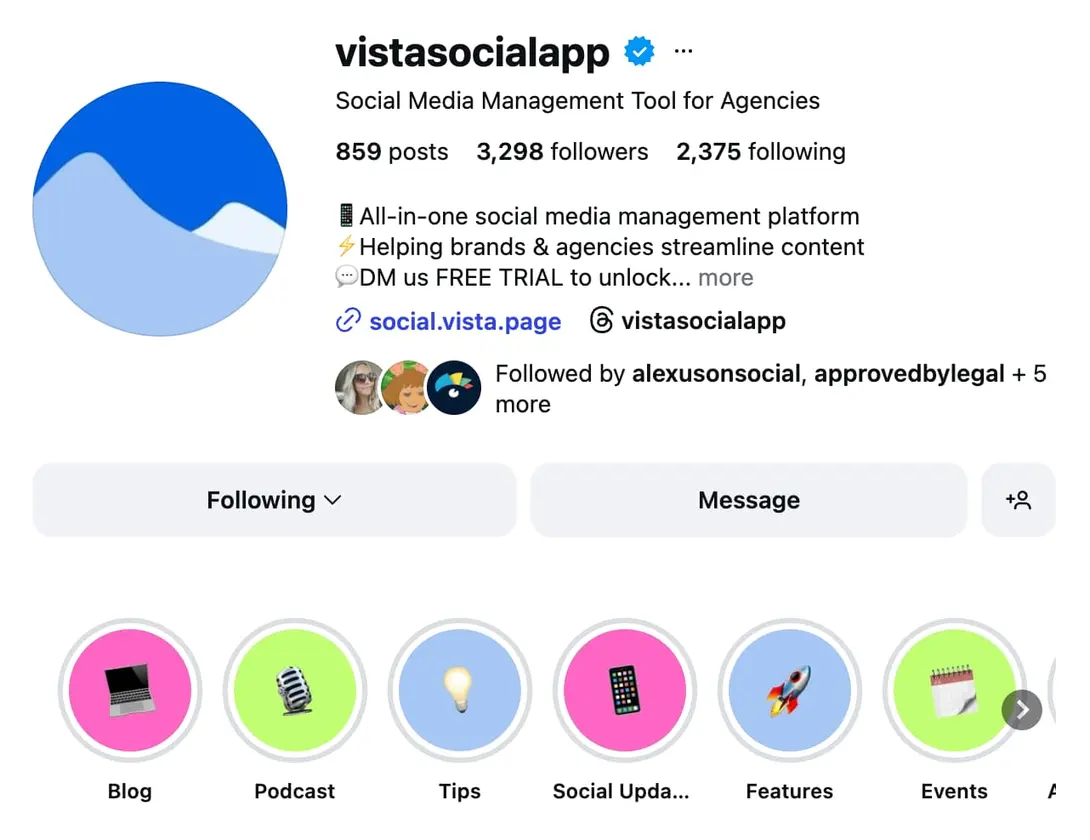
When someone visits our Instagram, LinkedIn, or Threads, they know they’re looking at Vista Social content. The visual design matches our branding perfectly.
How to build a social media branding strategy
Building a strong social media brand takes planning and consistency. Follow these steps to create a brand that works across all platforms.
1. Create a social media style guide
A style guide is your brand rulebook that tells you exactly how to use your colors, fonts, and logo. Everyone on your team should follow the same rules to keep everything consistent.
Your style guide should include your main colors and their exact codes, plus backup colors for when you need variety. Add your fonts for headings and body text, along with clear rules for how to use your logo.
Include examples of what looks good and what doesn’t work, along with clear guidelines for logo spacing and color usage. Show exactly how much space to leave around your logo and explain when to use each color in different situations.
Slack shares its brand guidelines publicly so that it’s easy for anyone on its team to find as well as media and other online publications to access when mentioning their brand.
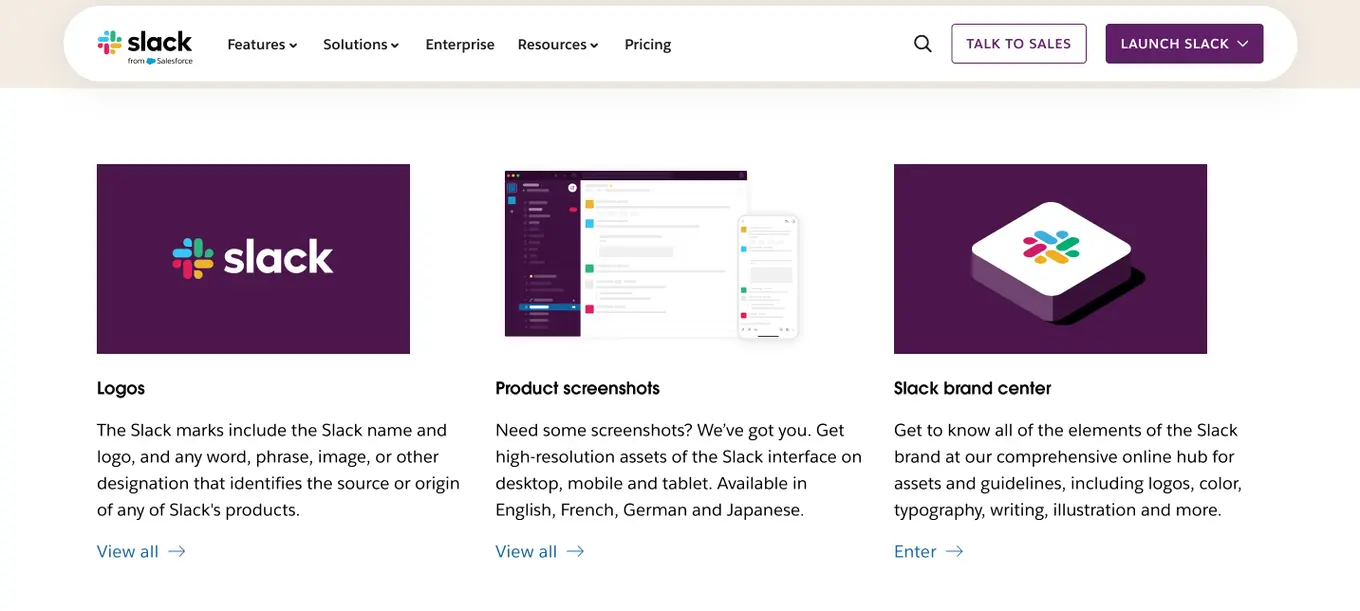
A good social media style guide prevents mistakes, saves time, and ensures your brand is covered the way you want it to be. You won’t have to guess what looks right because the rules are already written down.
Creating a comprehensive social media kit ensures all your brand assets are easily accessible to your team.
2. Ensure a consistent visual presence across platforms
Your visual brand should look the same everywhere, which means using the same profile photo, cover image, and colors on every platform.
Start with your profile photo—most businesses use their logo as their profile picture. Make sure it’s clear and easy to see at small sizes. Your cover image is a great place to show your brand personality by using your brand colors and including your tagline or value proposition.
Take a look at Canva’s Facebook profile:
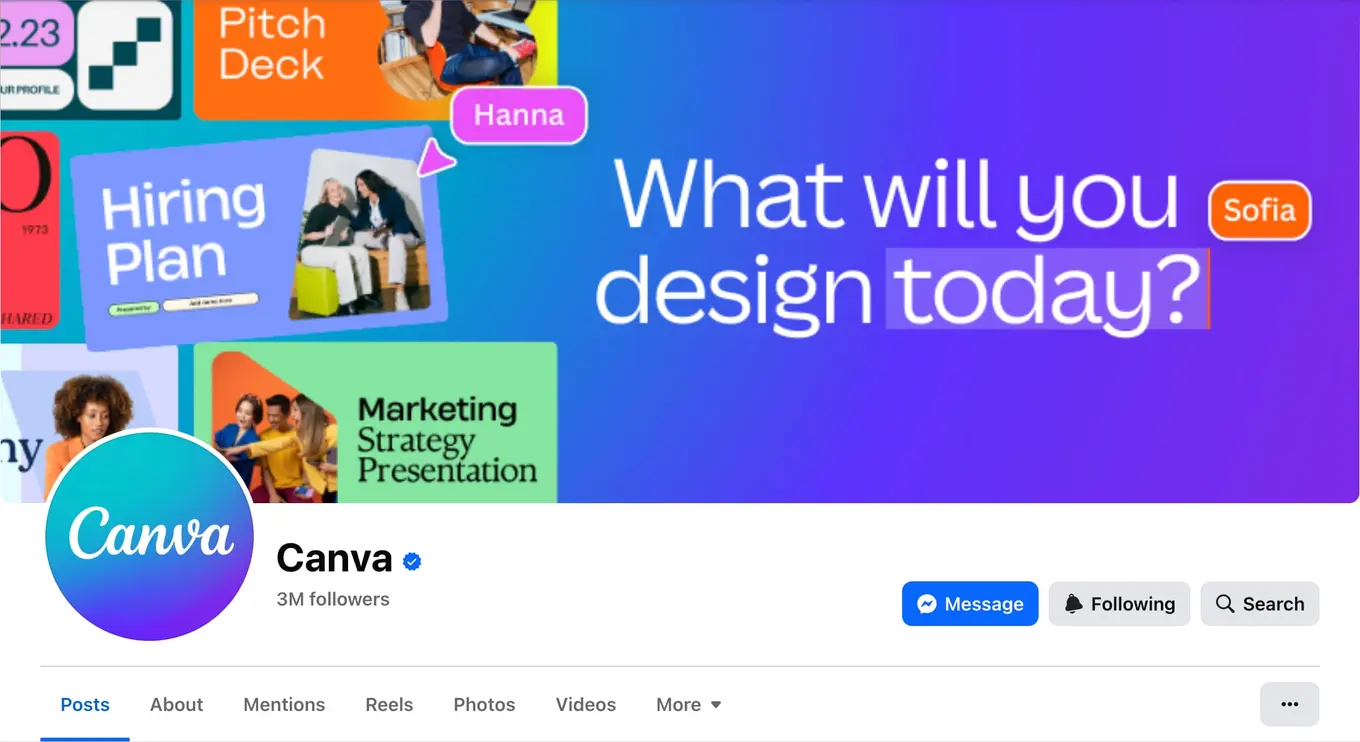
As well as its LinkedIn profile:
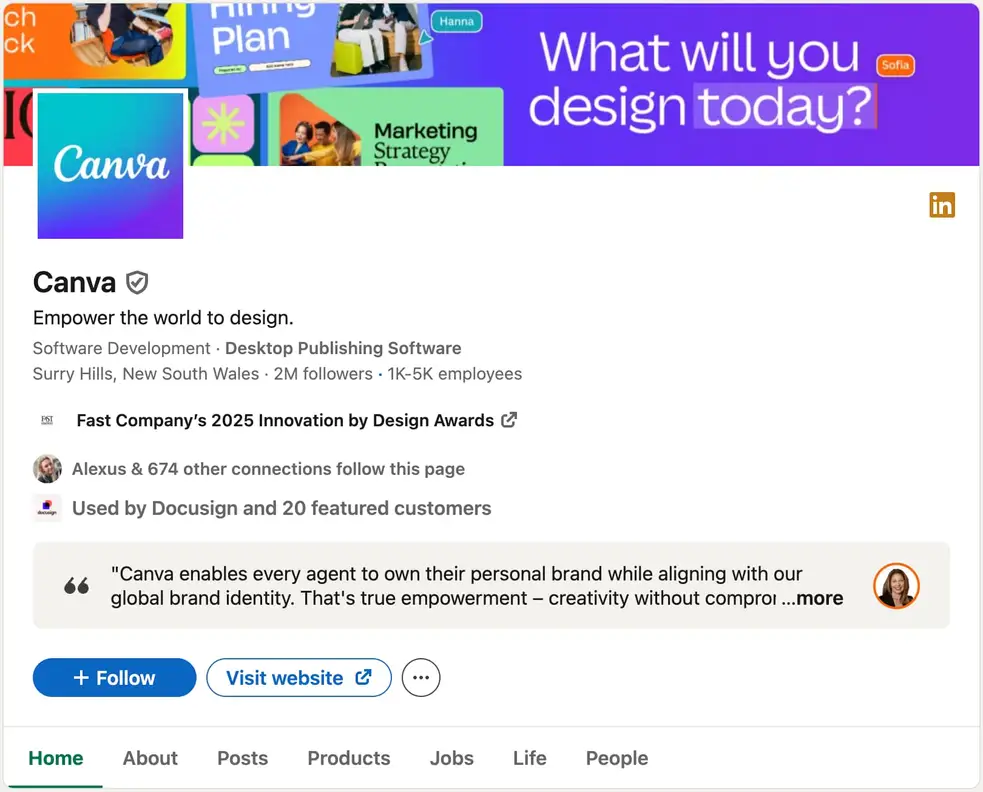
The overall design of the pages match each other to confirm to visitors that they belong to the same brand.
But more than your profile design, you need to make sure your content design also fits your branding. To do this, you can create templates for your posts that ensure every piece of content follows your brand guidelines. This helps your audience start to recognize your posts in their feed before they even see your username.
Take a look at how Typeform has done this with its Instagram branding below. By incorporating the same fonts and colors throughout its content, audiences will instantly recognize when a Typeform post pops up in their feed.
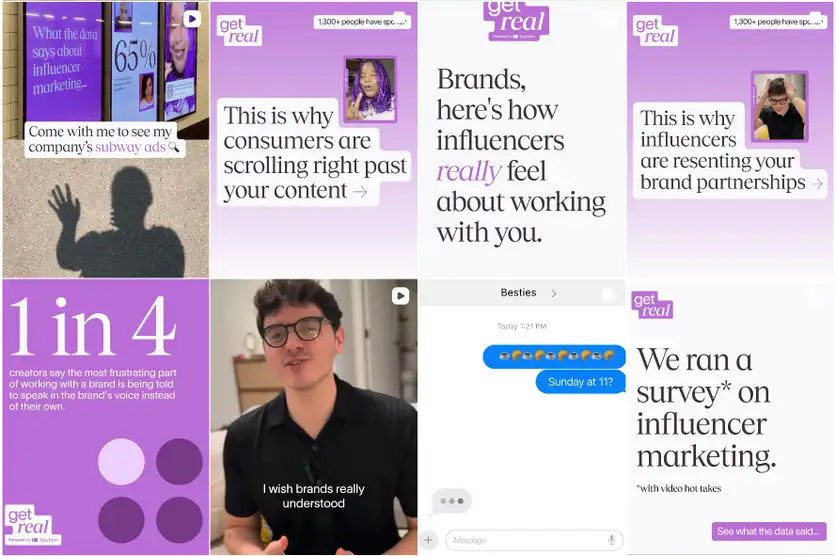
3. Pinpoint your brand voice
Your brand voice is how your business talks to customers, and it should sound like the same person is writing everything. This includes social media posts, customer service emails, and all other communications.
Start by defining your brand personality carefully. Are you friendly and casual, professional and formal, or funny and playful? Once you pick one voice, stick to it across all your content.
Next, write down specific words you use and words you avoid. Decide how you’ll handle things like contractions, emojis, and slang, then create examples of your voice in action. This documentation becomes your reference guide.
This kind of consistency in your social media voice helps your audience know what to expect from your brand. When your voice is clear and consistent across your social platforms, customers develop a stronger connection with your personality.
Having clear brand voice guidelines helps everyone on your team communicate consistently. Vista Social’s brand voice feature helps you maintain this consistent messaging across all your social media accounts. This tool ensures your posts always match your brand personality, no matter who’s creating the content.
4. Define how to communicate with your customers
Decide how you’ll interact with followers and customers, including response frequency, timing, and tone. Will you respond to every comment, and how quickly will you reply to messages? These decisions shape your customer experience.
Create response templates for common situations so you have answers ready for compliments, complaints, and questions. This approach helps you respond quickly while staying on brand, ensuring consistency even during busy periods.
Set clear expectations for response times and make this information visible on your profiles. When customers know how long to wait for an answer, they’re more likely to be patient and understanding.
Train everyone who handles your social media accounts so they all understand your brand voice and customer service standards. Consistent training prevents mixed messages and maintains your brand reputation.
Calm uses a mixture of humor and support in the way it responds to customers and other users online. Take this example below:

And here’s another showcasing the quips the brand incorporates into the way it responds while also staying away from the snarkiness that often comes with humorous brand personalities. Snarkiness wouldn’t fit the “Calm” vibe, but cleverness does.

5. Choose the right platforms
You don’t need to be on every social media platform. Instead, pick the ones where your customers spend their time and focus on doing those platforms well rather than being mediocre everywhere.
Start by researching where your target audience is most active, then look at your competitors to see which platforms work best in your industry. LinkedIn works well for B2B companies, Instagram is great for visual brands, and TikTok reaches younger audiences.
Remember that each platform has its own culture and best practices. What works on LinkedIn might not work on TikTok, so you’ll need to adapt your content while keeping your brand consistent across all chosen platforms.
This focused approach lets you put more time and effort into each platform you choose. Your content quality will be higher because you’re not spread too thin trying to maintain a presence everywhere. Quality always beats quantity when it comes to social media platforms.
6. Create on-brand content
We already covered how all of your content should feel like it comes from the same brand. Now it’s time to start creating a cohesive content strategy. This means more than just using your colors and logo. Your topics, style, and message should all be consistent.
Plan your content around your brand pillars. These are the main topics you’ll talk about. They should connect to your business goals and what your customers care about.
Create content templates that include your brand elements. Use the same fonts, colors, and style across all posts. This makes your content easy to recognize. Visual content creation should follow your brand guidelines exactly. Every image, video, and graphic should look like it belongs to your brand.
Here’s a great example from Poppi. The brand switches up its color scheme every so often based on which soda flavor it’s launching or promoting, but the overall vibe obviously belongs to Poppi.

7. Partner with relevant influencers
Partner with influencers who match your brand values and voice. Their content should feel natural with your brand, not forced or fake.
Start by finding influencers who already talk about topics related to your business. Their audience should overlap with your target customers. Remember that quality matters more than follower count—engaged followers convert better than passive ones.
When you work together, give influencers clear brand guidelines for using your logo, colors, and voice. But also let them create content in their own style so it stays authentic to their audience.
Always track how these partnerships affect your brand awareness. Are people recognizing your brand more? Are you gaining followers who fit your target audience? These metrics help you measure success.
Fenty Beauty shows how this works well. They partner with beauty influencers who genuinely use and love their products. When these influencers share content, it feels real and trustworthy. Their followers believe the recommendations because they know the influencer actually uses the products.

8. Develop an employee advocacy strategy
Your employees can be your best brand ambassadors. They know your company well and can share real content about working there. This insider view carries more weight than regular marketing messages.
Start by creating clear guidelines for employee posting. Give them content ideas and brand resources. Make it easy for them to share company news and wins by providing simple tools and templates.
Encourage employees to share their expertise on industry topics. This builds your company’s reputation as a thought leader. When your team members post about their work knowledge, it shows potential customers that you have skilled, engaged employees.
Make sure employee posts match your brand voice and values by providing training if needed. Remember that their personal posts reflect on your company, so clear guidelines help everyone represent the brand well.
This approach builds trust with both potential customers and job candidates. People can see that your employees are truly engaged and excited about their work. This creates real trust that marketing teams can’t copy.
9. Analyze your brand performance
Track how well your branding efforts are working. Look at brand awareness, engagement, and customer sentiment. Use this data to improve your strategy.
Monitor mentions of your brand across social media. Are people talking about you more? Is the sentiment positive? Track these changes over time.
Measure engagement on branded content versus generic content. Branded posts should perform better as your audience becomes familiar with your style.
Vista Social’s social media performance reports include a brand awareness score. This helps you track how recognizable your brand becomes over time.

Our analytics dashboard also shows you which branded posts perform best. You can see engagement rates, reach, and audience response to your consistent branding efforts.
Key metrics to watch include:
- Brand mention volume and sentiment
- Engagement rates on branded content
- Follower growth and quality
- Website traffic from social media
Survey your audience occasionally. Ask if they recognize your brand and what they think of it. Direct feedback helps you understand how your branding is working.
Social media guidelines should include rules for measuring and reporting on brand performance. Regular analysis helps you stay on track.

Try Vista Social for free
A social media management platform that actually helps you grow with easy-to-use content planning, scheduling, engagement and analytics tools.
Get Started NowAbout the Author

Content Writer
Russell Tan is a content marketing specialist with over 7 years of experience creating content across gaming, healthcare, outdoor hospitality, and travel—because sticking to just one industry would’ve been boring. Outside of her current role as marketing specialist for Vista Social, Russell is busy plotting epic action-fantasy worlds, chasing adrenaline rushes (skydiving is next, maybe?), or racking up way too many hours in her favorite games.
Loading related tools...




Tools
PublishingAnalyticsEngagementIntegrations
FacebookInstagramLinkedInRedditSnapchatThreadsTikTokX (Twitter)YouTubeBlueskyVista Page (link-in-bio)All IntegrationsCopyright © 2026 Vista Social LLC. All Rights Reserved.
Social media branding FAQs
What is the purpose of social media branding?
Social media branding helps businesses build recognition and trust with their audience. It creates a consistent experience across all platforms, making your company more memorable and professional. Strong branding leads to better engagement, customer loyalty, and business results.
How can you implement social media branding strategies?
Start by creating a style guide with your colors, fonts, and logo rules. Develop a consistent brand voice for all your content. Use the same visual elements across all platforms. Create content templates and train your team on brand guidelines. Track your results and adjust as needed.
What is the rule of three in branding?
The rule of three suggests that people need to see your brand three times before they remember it. This is why consistency is so important in social media branding. The more often people see your consistent brand elements, the more likely they are to recognize and remember your business.