

Published on April 28, 2026
11 min to read
Word of Mouth Marketing: What It Is & Why It Works

Summarize with AI

Table of contents
Summarize with AI

ChatGPT

Claude

Perplexity
Share

Vista Social

X (Twitter)


You’ve probably bought something because a friend told you about it. Maybe it was a restaurant they couldn’t stop talking about, a skincare product that actually worked, or a tool that saved them hours every week. That recommendation carried more weight than any ad you’ve ever seen, and there’s a reason for that.
Word of mouth marketing is one of the most powerful growth drivers available to brands today. McKinsey’s 2025 State of the Consumer report confirmed what most marketers already feel: family and friends remain the most trusted influence when people decide what to buy, while social media ranks as the least trusted source.
Plus, as customer experience strategist Jay Baer puts it, “True word of mouth is more important today than ever before, because it’s the one form of marketing that AI can’t fake.”
And yet, most businesses don’t have a real strategy for encouraging it.
They leave it to chance, hoping happy customers will spread the word on their own. Some will, but the brands that grow the fastest are the ones that make word of mouth part of the plan.
This guide covers what word of mouth marketing actually looks like, why it’s so effective, and how to build a strategy that gets your customers talking.
Table of contents
What is word of mouth marketing?
Word of mouth marketing (WOMM) is what happens when your customers share their experiences with your brand through something like a conversation with a friend, an online review, a social media post, or a recommendation in a group chat. It’s the most organic form of marketing because it comes from real people, not paid placements.
Picture this in practice. Someone asks their followers on X/Twitter for a project management tool recommendation. Three people reply with the same answer, all praising how easy it is to use.
The person who asked doesn’t need to see an ad or read a landing page. They’ve already made up their mind, because the recommendation came from people they trust. That kind of influence is something no ad budget can replicate.
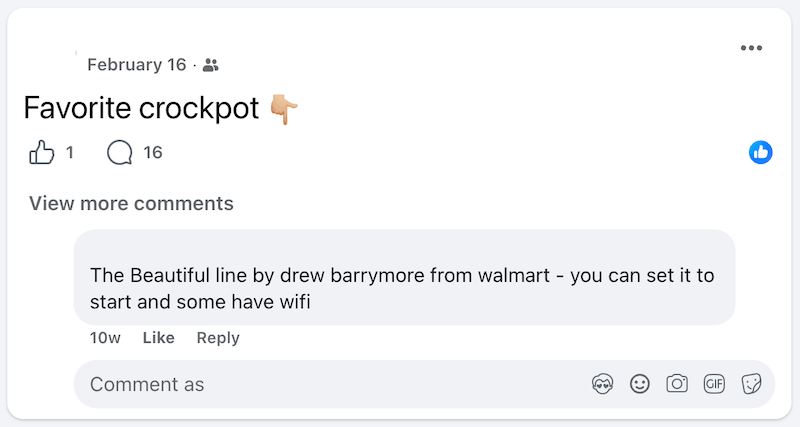
Or here’s a real life example. I have a Facebook friend who is always crowdsourcing recommendations. It’s a great way to find new products that you know people enjoy without having to do a ton of research.
What makes WOMM different from traditional marketing is that the brand doesn’t control the message. Customers share what they genuinely think, and that honesty is exactly what makes it so persuasive. When someone puts their own name behind a recommendation, it signals that the product is worth trying.
Why word of mouth marketing works
Word of mouth isn’t just a nice bonus on top of your existing marketing efforts. It’s one of the most effective channels for driving real business results, and the data backs that up.
People trust other people more than ads
Consumers are skeptical of branded messaging, and that skepticism has only grown over the years. A 2024 U.S. survey found that 89% of consumers trust friends and family as a product recommendation source. Expert reviewers came in second at 74%, while AI tools like ChatGPT trailed far behind at under 40%.
No other format, whether it’s social media ads, sponsored content, or display banners, comes close to the trust that personal recommendations carry.
This trust gap matters because it directly affects buying behavior. When a friend tells you they love a product, you don’t second-guess it the way you would a polished Instagram ad. That built-in credibility shortens the decision-making process and makes people more confident about their purchase.
It drives a major share of buying decisions
That trust doesn’t just make people feel good about a recommendation. It moves them to act. According to DataReportal’s Digital 2025 report, word of mouth ranks as one of the top three discovery channels worldwide, sitting alongside search engines and TV ads.
In the U.S. specifically, word of mouth leads all other channels for brand discovery, ahead of social media ads and mobile app ads. That influence is even stronger when consumers are buying something for the first time or spending a significant amount of money.
Think about the last time you made a big purchase. Whether it was a laptop, a mattress, or a SaaS subscription for your team, chances are you asked someone you trust for their input before pulling the trigger. That’s word of mouth doing its job, often without the brand even knowing it happened.
It produces higher-quality customers
Beyond driving discovery, word of mouth also brings in better customers. People who come through referrals aren’t just one-time buyers. They tend to spend more, stay longer, and refer others at a higher rate than customers acquired through paid channels.
And it’s easy to see why. A customer who shows up because someone they trust vouched for your brand already has a positive impression before they’ve even made a purchase. They arrive with built-in expectations that you’ll deliver, and when you do, they’re more likely to become advocates themselves.
It compounds over time
Unlike a paid campaign that stops producing results the moment you turn it off, word of mouth builds momentum. One happy customer tells three friends. Those friends try your product, have a great experience, and tell their own networks.
That compounding effect is why some brands seem to grow effortlessly while competitors with larger ad budgets struggle. It isn’t luck, it’s the result of consistently delivering experiences that people want to talk about.
Types of word of mouth marketing
Word of mouth takes many different forms, and understanding each type helps you figure out where to focus your efforts. Some happen naturally, while others require a bit of structure and planning.
Organic customer recommendations
This is the most traditional form of word of mouth. A customer has a great experience with your product or service and tells their friends, family, or coworkers about it. There’s no prompt, no incentive, and no program behind it. It happens naturally because the experience was worth sharing.
Organic recommendations are the gold standard because they’re completely authentic. The challenge is that you can’t force them. You can only create the conditions that make them more likely, which starts with delivering a product and experience that people feel compelled to talk about.
Referral programs
Referral programs add structure to word of mouth by giving customers a reason to share. This could be a discount, a free month of service, or store credit for both the referrer and the new customer. What matters most is making the reward meaningful enough to motivate action without making the recommendation feel transactional.
Brands like Dropbox famously grew their user base through referral programs that offered extra storage space.
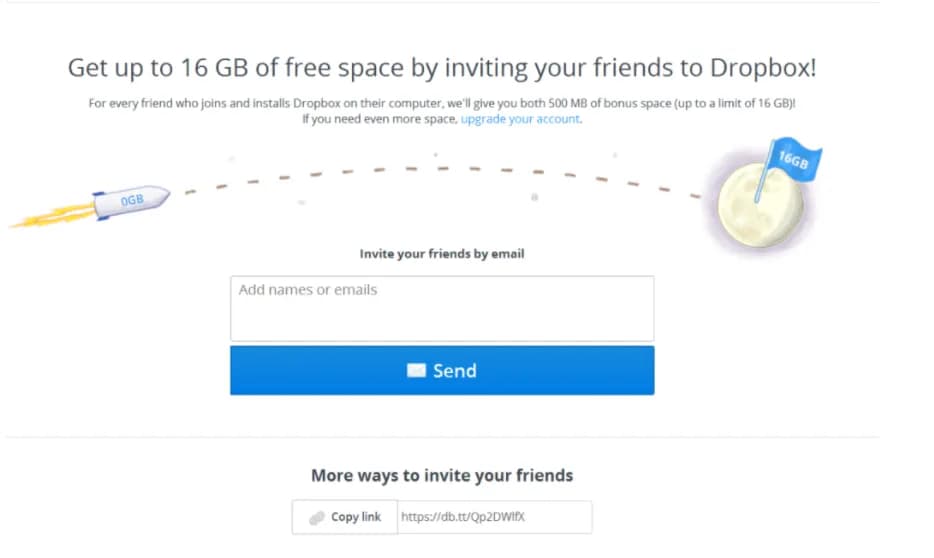
The incentive was directly tied to the product, which made the whole experience feel natural rather than sales-driven.
Influencer and creator partnerships
When brands partner with influencers or creators, they’re essentially tapping into someone else’s word of mouth network. The creator’s audience trusts their opinions, so a genuine recommendation from them carries weight that a brand’s own content simply can’t match.
Here’s a great example of what this can look like in action:
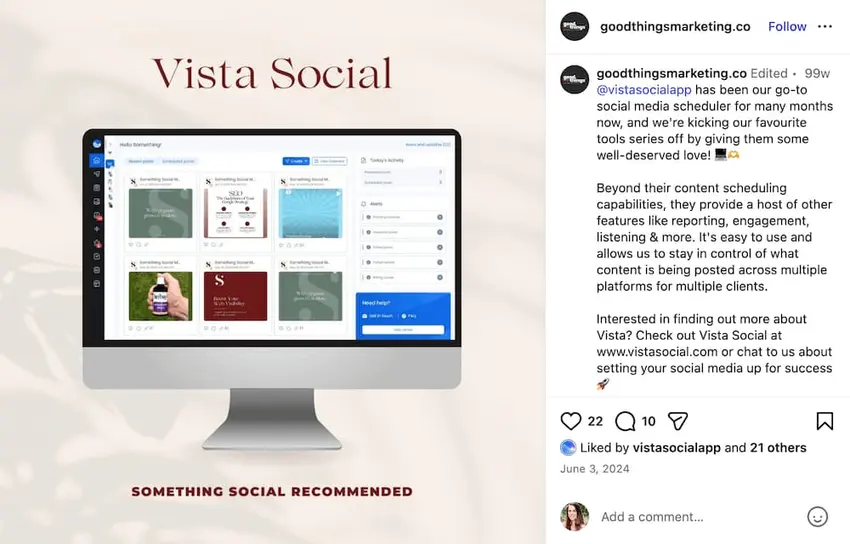
The most effective partnerships feel organic. Instead of scripted endorsements, brands that give creators freedom to share their honest experience tend to see stronger engagement and better results. Micro-influencers with smaller but more engaged audiences often drive more conversions than big-name celebrity endorsements.
User-generated content (UGC)
User-generated content is word of mouth in visual form. It’s the unboxing video on TikTok, the photo of your product on Instagram, or the before-and-after transformation a customer shares on their feed. UGC works because it shows real people using your product in real life, which is far more relatable than a polished brand photoshoot.
UGC also does double duty. It serves as social proof for potential customers while giving your brand authentic content to reshare across your own channels.
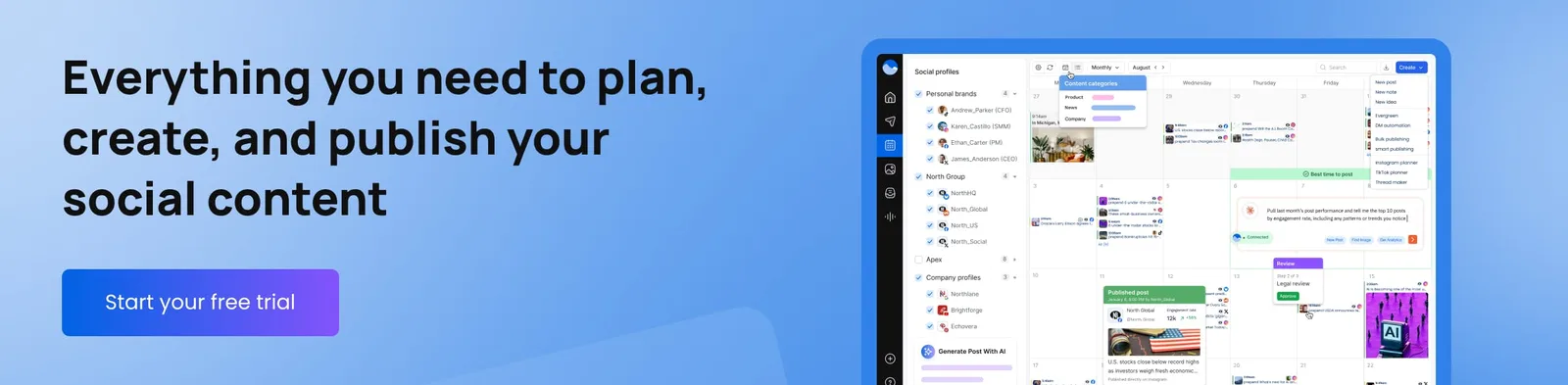
With a tool like Vista Social, you can monitor mentions and tags across platforms so you never miss an opportunity to engage with customers who are already talking about you. You can also use Vista Social’s publishing features to schedule and reshare that UGC as part of your regular content calendar.
Reviews and ratings
Online reviews are the modern extension of word of mouth. Before people buy almost anything, they check what other customers have to say. That applies to everything from restaurants and hotels to software and skincare products. A strong collection of positive reviews builds credibility and directly influences purchase decisions.
Managing your reviews across platforms is critical for online reputation management. It’s not just about collecting good reviews. It’s about responding to feedback, addressing concerns, and showing potential customers that you care about their experience.
Here, Vista Social’s review management tools let you track and respond to reviews from one central dashboard, which saves time and keeps your reputation consistent.
Online community mentions
Some of the most influential word of mouth happens in online communities like Reddit, Discord, Facebook Groups, and niche forums. These spaces are where people go to ask for honest recommendations without the noise of branded content. A glowing mention in a trusted subreddit or Discord server can drive more qualified traffic than a paid ad campaign.
For example, here’s a Reddit user asking other users if anyone has used Vista Social for content workflows:
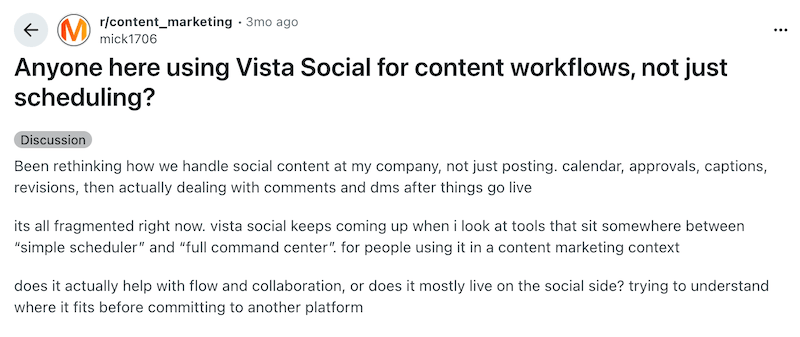
The reason community mentions carry so much weight comes down to context. When someone asks “What’s the best tool for scheduling social media posts?” in a marketing community and multiple people recommend the same product, that’s incredibly persuasive. These are unscripted, unsponsored opinions from real practitioners who have nothing to gain from recommending one tool over another.
Employee advocacy
Your employees are some of your most credible brand ambassadors. When team members genuinely enjoy working at your company and talk about it on LinkedIn, share company updates, or recommend your product to people in their network, it extends your brand’s reach in an authentic way.
Here’s an example of our content marketing manager Chloe sharing the launch of Vista Social’s Featuremas campaign:
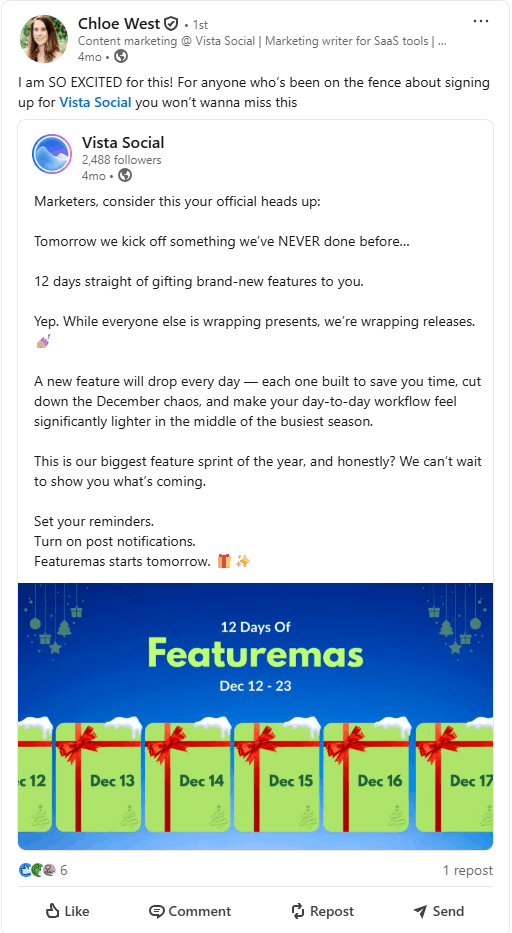
Employee advocacy works especially well in B2B spaces where buying decisions involve research and trust-building. A recommendation from someone who works at the company and uses the product daily carries a different kind of credibility than a customer testimonial. It shows that the people behind the brand believe in what they’re building.
How to boost word of mouth marketing
You can’t manufacture authentic word of mouth, but you can create the conditions that make it more likely to happen. These strategies will help you get your customers talking.
Focus on the customer experience
People don’t talk about average experiences. They talk about the moments that surprise them, whether that’s a support rep who went out of their way to solve a problem, a delivery that arrived faster than expected, or a personal touch they didn’t see coming. If you want word of mouth, you need to give people something worth mentioning.
Take a look at this tweet. Someone was so thrilled with their experience working with their insurance company they took to social media to share it:
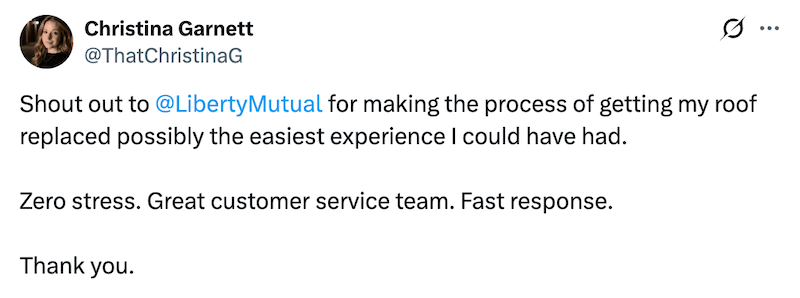
Pay attention to what your customers are already saying about your brand across social channels. Tracking your share of voice helps you understand how often people mention you compared to competitors, and what the tone of those conversations looks like. That insight tells you where you’re winning and where you need to improve.
Create a high-quality product or service
Of course, great customer service only goes so far if the product itself falls short. It might seem like a given, but product quality is the foundation that everything else is built on. No amount of clever marketing can generate sustained word of mouth for a product that doesn’t deliver. People won’t recommend something they don’t believe in, and they certainly won’t risk their own reputation by vouching for something mediocre.
Focus on solving a real problem better than anyone else. When your product genuinely makes someone’s life easier or faster, talking about it becomes natural. They’re not doing you a favor by recommending it, they’re sharing something valuable with someone they care about.
Give your customers something to talk about
Even with a great product, sometimes word of mouth needs a spark, something so unique, clever, or unexpected that people feel compelled to share it.
Coca-Cola’s 2011 “Share a Coke” campaign is a perfect example of this. By replacing its iconic logo with popular first names on bottles and cans, Coca-Cola turned a simple product into a personal experience.

People hunted for bottles with their name or their friends’ names, took photos, and shared them across social media using the #ShareACoke hashtag. More than 500,000 photos were shared on Instagram alone, and the campaign helped boost U.S. sales by more than 2% after a decade of decline.
In fact, it was so popular that Coca-Cola launched it again in 2025.
You don’t need a multimillion-dollar budget to create a shareable moment. It could be personalized packaging, a surprise gift with an order, or a creative social campaign that invites participation. If it feels special enough to mention to a friend, you’re on the right track.
Don’t be afraid to ask for testimonials and reviews
One of the biggest missed opportunities in word of mouth marketing is simply not asking. Research shows that most satisfied customers are willing to leave a review or share a testimonial, but they won’t think to do it unless you prompt them.
The best times to ask include:
- Right after a purchase, while the excitement is still fresh
- Following a positive support interaction where you solved their problem
- At the end of a successful project or milestone
- After a renewal or repeat purchase that signals ongoing satisfaction
Make the process easy. Send a direct link to your Google Business profile, your G2 page, or wherever you want reviews to show up. With Vista Social’s reputation management tools, you can automate review requests and monitor incoming feedback across platforms so nothing slips through the cracks.
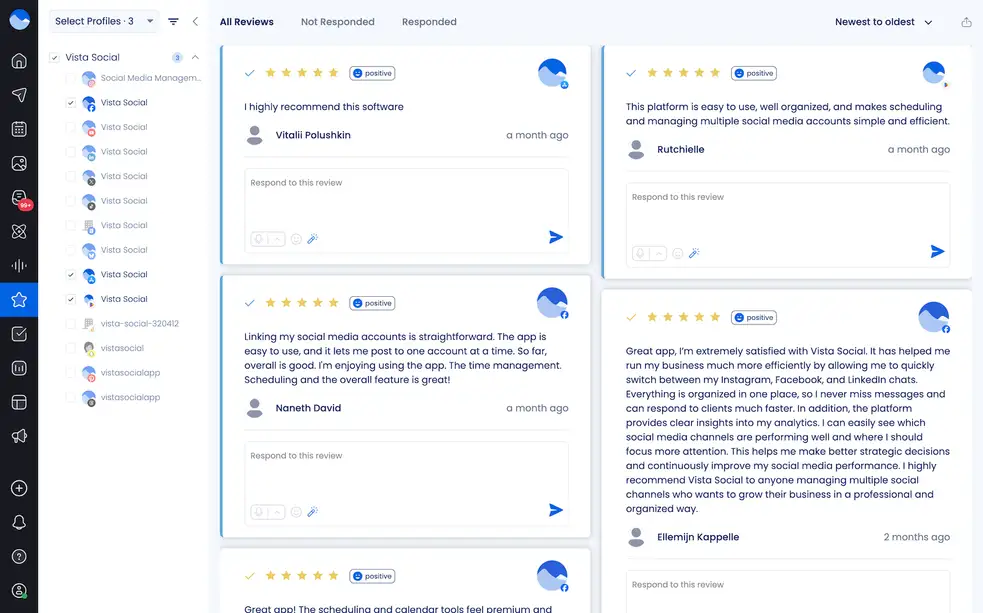
You can connect all of your review management platforms here and reply to every single one without having to jump from platform to platform.
Build a user-generated content (UGC) campaign
Reviews and testimonials are powerful, but you can take things a step further by encouraging your customers to create content featuring your product. Give them a reason and a framework, and the content will follow. There are several ways to kick this off:
- Launch a branded hashtag that ties into your brand’s identity or a specific campaign
- Run a photo or video challenge that invites customers to show off how they use your product
- Host a contest with a prize that motivates participation and sharing
- Reshare customer posts on your own channels with credit, showing people that you actually feature real users
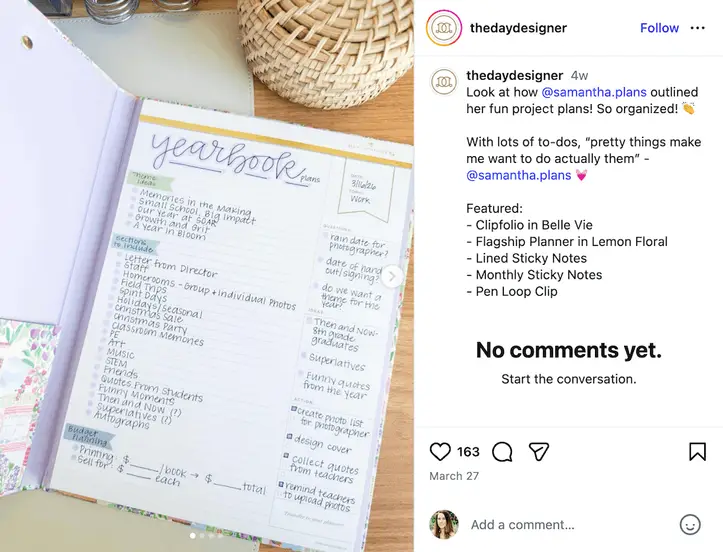
UGC campaigns work best when they tie into something your audience already cares about. Instead of asking people to “post about our product,” frame it around a moment, a transformation, or a shared experience. A strong content distribution strategy ensures that the UGC your customers create gets the visibility it deserves across all your channels.
Promote a referral program
A referral program turns your happiest customers into active promoters. The most effective programs offer value to both the referrer and the new customer, creating a win-win dynamic that feels generous rather than pushy. Think about what reward structure makes sense for your business:
- Discounts on future purchases for both parties
- Free product or an extra month of service
- Extended trial periods for the referred customer
- Exclusive access to new features, early releases, or VIP perks
Promote your referral program where your customers already spend time. Feature it in post-purchase emails, on your website, and across your social channels. Using a social media distribution strategy to amplify the word about your referral program helps it reach the right audience at the right time.
Send out merch boxes or free product to influencers
Sending curated product packages to influencers and creators is a proven way to generate word of mouth at scale. When an influencer unboxes your product on their channel and genuinely loves it, their audience takes notice. Just make sure you’re choosing creators whose audience aligns with your target market, and give them the freedom to share their honest reaction.

Don’t limit yourself to mega-influencers with millions of followers. Micro and nano-influencers often have higher engagement rates and more trusting audiences. A thoughtful package sent to 20 well-chosen creators can generate more authentic buzz than a single post from a celebrity who doesn’t use your product. Focus on building real relationships with creators who are a natural fit for your brand.
Create your word of mouth marketing strategy today
Word of mouth isn’t something you can set and forget. It takes ongoing effort to deliver the kind of experiences, products, and moments that make people want to share your brand with others. But when it clicks, it becomes your most cost-effective and credible growth channel, one that compounds over time and produces customers who stick around.
Start by focusing on the strategies that fit your brand best, whether that’s building a review engine, launching a UGC campaign, or strengthening your customer experience. Tools like Vista Social’s review management features make it easier to track what people are saying, respond quickly, and turn positive experiences into lasting advocacy.
Try Vista Social for free
A social media management platform that actually helps you grow with easy-to-use content planning, scheduling, engagement and analytics tools.
Get Started NowAbout the Author

Content Writer
Russell Tan is a content marketing specialist with over 7 years of experience creating content across gaming, healthcare, outdoor hospitality, and travel—because sticking to just one industry would’ve been boring. Outside of her current role as marketing specialist for Vista Social, Russell is busy plotting epic action-fantasy worlds, chasing adrenaline rushes (skydiving is next, maybe?), or racking up way too many hours in her favorite games.
Loading related tools...

The most complete social media management platform for teams who demand more.






Tools
PublishingAnalyticsEngagementIntegrations
FacebookInstagramLinkedInRedditSnapchatThreadsTikTokX (Twitter)YouTubeMCPVista Page (link-in-bio)All IntegrationsCopyright © 2026 Vista Social LLC. All Rights Reserved.