

Published on March 4, 2025
8 min to read
Adapting to Privacy-First Social Media Marketing in 2025

Summarize with AI

Table of contents
Summarize with AI

ChatGPT

Claude

Perplexity
Share

Vista Social

X (Twitter)


Have you ever felt like businesses know way too much about you? You’re not alone—63% of internet users think companies aren’t clear about how they use personal data. And here’s the kicker: almost half of people will cut ties with a brand if they don’t feel their privacy is respected. That’s why privacy-first social media marketing is such a big deal right now.
It’s not just about following privacy laws like GDPR and CCPA (though those are super important). It’s about showing your audience you respect them enough to handle their data with care. When you prioritize privacy, you build trust, loyalty, and stronger connections—all the good stuff that keeps people coming back.
Table of contents
The Rise of Privacy-First Policies
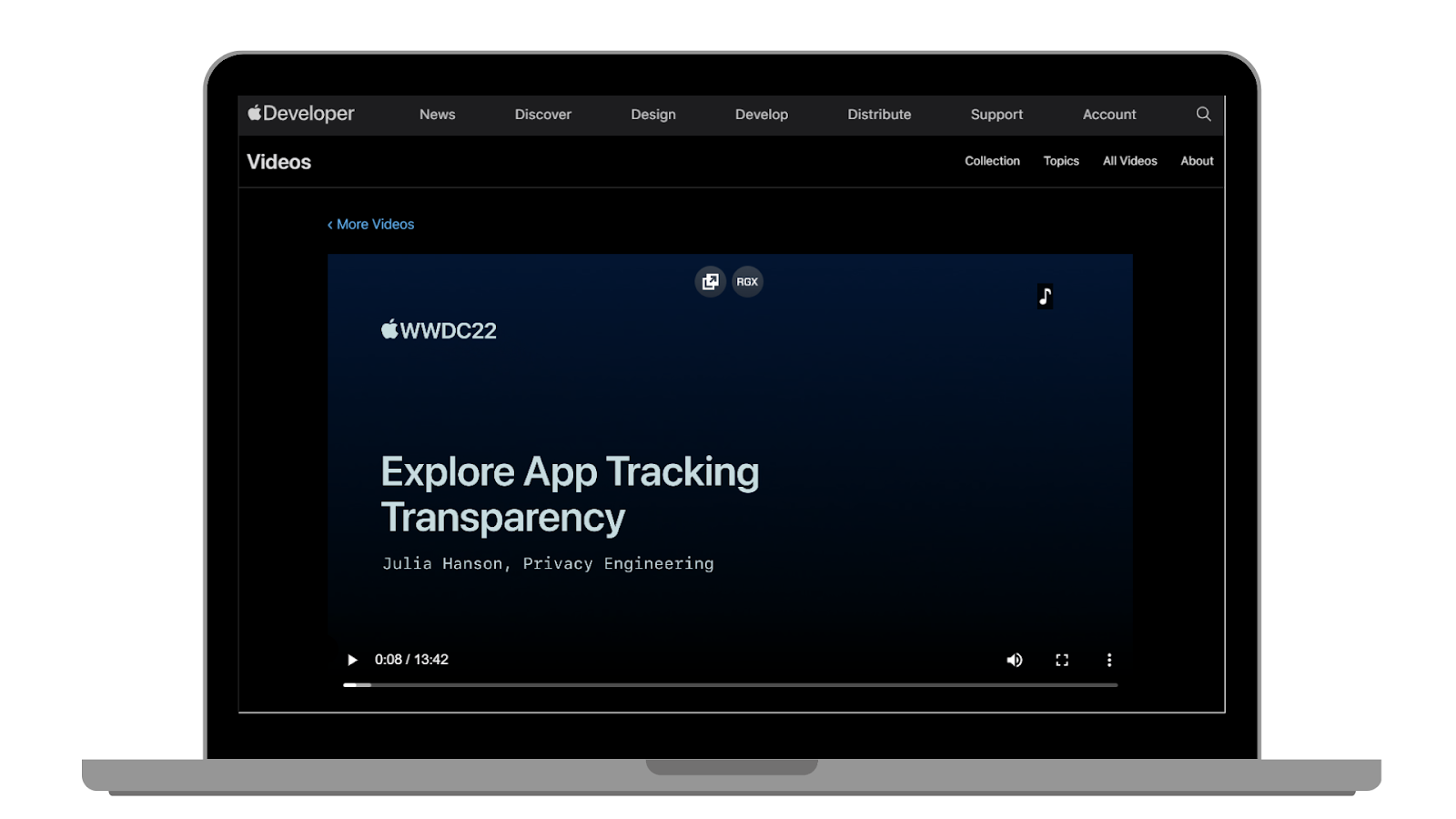
If you’ve been paying attention, you’ve probably noticed a lot of changes happening on social media platforms. And no, it’s not just the latest filter or trend. We’re talking about the big shift towards stronger privacy policies. Companies like Apple and Google are stepping up, rolling out features like Apple’s App Tracking Transparency and updates to Google’s cookie policies—pushing us all into a world where privacy is front and center.
It’s no longer just about what data a brand can collect, it’s about what they should collect. Platforms are tightening up how data is tracked, shared, and stored. These shifts are a direct response to consumer concerns and stricter regulations. If you’ve been wondering why you’re seeing more consent pop-ups or why certain ads seem less personalized, it’s all part of this privacy-first wave.
Here are some of the major social media platforms implementing stricter data privacy regulations:
- Apple’s App Tracking Transparency (ATT) – Apple’s ATT framework requires apps to get user consent before tracking their activity across other apps and websites. This limits advertisers’ ability to use third-party data for targeting, shifting the focus to first-party data collection.
- Google’s Privacy Sandbox – Google is phasing out third-party cookies and introducing privacy-preserving alternatives, like Topics API, which categorizes user interests without revealing personal data. This forces marketers to rethink their tracking and ad targeting strategies.
- Meta’s (Facebook & Instagram) Privacy Updates – Meta has introduced new ad targeting restrictions, especially around sensitive topics, and expanded privacy controls for users. These changes affect how businesses create and optimize paid social campaigns.
- TikTok’s Privacy Enhancements – With growing scrutiny over data security, TikTok has updated its data collection policies, added transparency features, and given users more control over their information. Marketers relying on TikTok’s algorithm now have to adapt to a more privacy-conscious audience.
- General Data Protection Regulation (GDPR) & California Consumer Privacy Act (CCPA) – These regulations set strict guidelines on data collection, user consent, and transparency. Brands operating in the EU and California must ensure compliance or risk heavy fines.
You can’t just rely on old-school tactics anymore. The rules have changed, and businesses need to adapt if they want to continue thriving in this new, privacy-conscious landscape.
The Shift in Consumer Behavior
Consumers today are more aware of how their personal data is being used—and they’re taking control. The days of blindly accepting terms and conditions are over. People are getting smarter about how their information is shared, and they’re making choices based on whether brands respect their privacy.
In fact, 48% of people say they’ve stopped shopping with brands because of privacy concerns. That’s a big deal! Privacy-conscious users aren’t just sitting back; they’re influencing brands’ behavior in real-time. If a brand isn’t transparent or doesn’t give consumers control over their data, there’s a good chance they’ll take their business elsewhere.
To stay relevant, businesses have to be proactive about protecting user privacy, building trust, and showing that they value customers as more than just data points.
By embracing this shift and tailoring strategies to privacy-first principles, brands can stand out and foster long-term loyalty. After all, when you show your audience you respect their privacy, they’ll return the favor with their trust.
The Role of Content in a Privacy-First World
In a privacy-first social media marketing landscape, the content you create plays a massive role in how you engage with your audience. Now, it’s all about creating value-driven, authentic content that speaks directly to their needs and interests—without the creepy data collection lurking in the background.
It’s about giving people what they want but in a way that feels personal and respectful of their privacy. Instead of bombarding followers with generic promotions based on invasive tracking, brands should focus on organic engagement, community-building, and authentic interactions.
Here’s how to make that happen:
- Prioritize meaningful engagement – Focus on creating conversations rather than just broadcasting content. Encourage user-generated content, host live Q&As, and interact in the comments. This builds a genuine connection with your audience. When engaging your audience online, it’s crucial to prioritize both privacy and security. Encourage followers to use tools that help them generate strong passwords, which adds an extra layer of protection for their personal information.
- Create value-driven content – Offer something useful—whether it’s educational content, tutorials, behind-the-scenes glimpses, or industry insights. Content that solves problems or entertains will naturally attract and retain an audience.
- Foster a sense of community – Instead of treating followers as passive consumers, create spaces where they feel heard. Facebook Groups, Discord servers, Twitter Spaces, and LinkedIn are great for building relationships without relying on personal data tracking.
Brands Examples Successfully Prioritizing Privacy & Engagement
Some brands have already adapted to a privacy-first approach while still maintaining strong engagement:
- Apple – Their marketing focuses on privacy as a selling point, reinforcing trust without relying on invasive tracking. Their campaigns highlight user control and data protection.
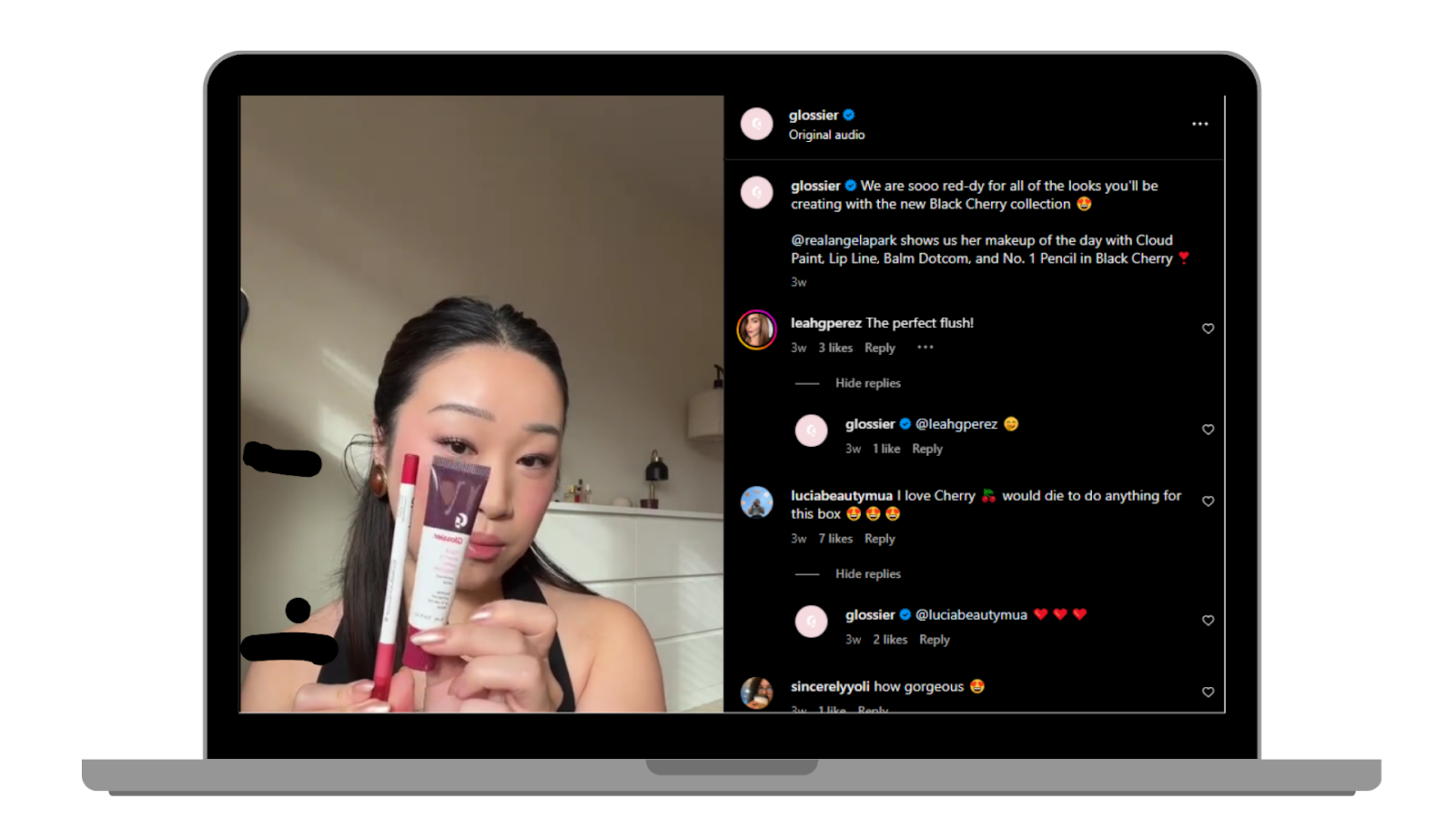
- Glossier – Builds relationships through customer feedback and user-generated content, making followers feel part of the brand without relying on heavy data collection. A great example is a video shared by @realangelapark, which perfectly highlights Glossier’s approach to authentic engagement
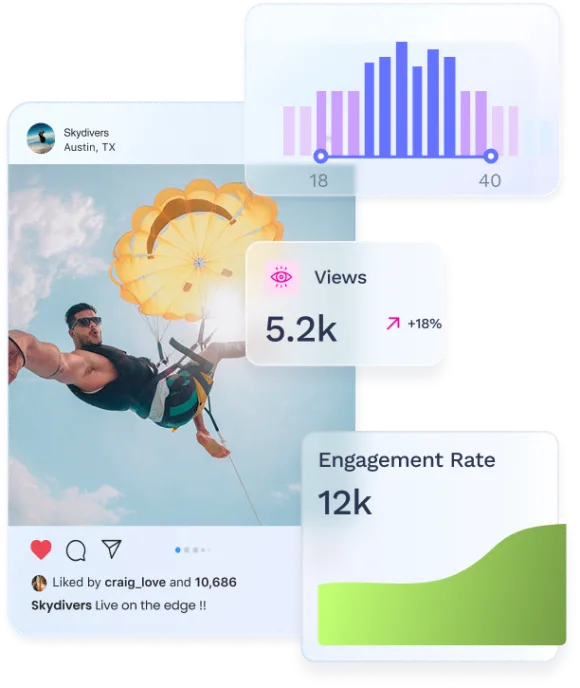
- Vista Social – (Yep, that’s us!) With AI-powered publishing, community engagement tools, and social listening, marketers can create authentic content and manage social interactions—without invasive tracking.
Brands that make this shift can still see incredible engagement and loyalty without relying on outdated data-harvesting tactics. When you respect privacy, focus on community, and create high-quality content, you don’t just adapt—you thrive.
Technology and Tools Supporting Privacy-First Marketing
Navigating privacy-first social media marketing is easier when you have the right tools. The key is choosing platforms that help you manage content, track performance, and engage your audience—without compromising their privacy.
- Social Media Management Platforms – When managing social media in a privacy-first world, compliance is key. Vista Social not only helps streamline your marketing efforts but also ensures data protection and compliance with regulations like GDPR. Learn more about Vista Social’s GDPR compliance here.
- Privacy-Friendly Analytics – Instead of third-party tracking, platforms like Google Analytics 4 and Matomo help marketers gather first-party insights, focusing on user behavior without storing personal data.
- Contextual Advertising – Ad platforms are shifting from behavioral tracking to context-based targeting, displaying ads based on content relevance rather than personal browsing history.
- Consent Management Tools – Platforms like OneTrust and Cookiebot ensure businesses stay compliant with regulations by managing user permissions and data collection transparently.
By leveraging these privacy-friendly tools, marketers can maintain data-driven strategies while respecting consumer privacy—proving that ethical marketing and performance can go hand in hand.
[Must Read: Crisis Management on Social Media: Best Practices for Brands]
Try Vista Social for free
A social media management platform that actually helps you grow with easy-to-use content planning, scheduling, engagement and analytics tools.
Get Started NowAbout the Author

Content Writer
Content writer and copywriter with over 2 years of experience, specializing in VSL scriptwriting. I’ve worked with various brands to create compelling content. Passionate about storytelling that connects and converts. Loves cats, poetry, and skincare
Loading related tools...

The most complete social media management platform for teams who demand more.






Tools
PublishingAnalyticsEngagementIntegrations
FacebookInstagramLinkedInRedditSnapchatThreadsTikTokX (Twitter)YouTubeMCPVista Page (link-in-bio)All IntegrationsCopyright © 2026 Vista Social LLC. All Rights Reserved.