

Published on January 13, 2026
16 min to read
What is User-Generated Content (UGC) & How to Use It

Summarize with AI

Table of contents
Summarize with AI

ChatGPT

Claude

Perplexity
Share

Vista Social

X (Twitter)


The most successful social media marketing team of 2026 isn’t on your payroll. It’s your customer base.
Traditional advertising is facing a crisis of trust. 74% of consumers now look to two or more online reviews before even considering a local business, and for younger generations, a 15-second unboxing video from a peer carries more weight than a million-dollar Super Bowl commercial.
The brands winning today aren’t the ones with the deepest pockets. They’re the ones who have mastered the art of turning their community into a high-velocity content engine.
When executed with precision, a user-generated content (UGC) strategy does more than just fill your social feed. It creates a “trust loop” that slashes your production costs and delivers authentic social proof that polished studio shoots can’t replicate and turns your customers into your most aggressive marketing champions.
From the viral “chaos” of Duolingo to the surprise-and-delight portraits of Chewy, UGC is no longer a side project but the backbone of modern brand authority.
Table of contents
What is user-generated content?
User-generated content is content that was created by your customers, not your marketing team.
Someone posts an Instagram story wearing your product. A customer films an unboxing on TikTok. A diner leaves a Google review with photos. These are all examples of UGC, and they carry more weight than anything your brand could produce in-house.
Consider how Airbnb operates. The platform doesn’t hire photographers for millions of properties. Instead, hosts upload their own photos, and guests share authentic travel experiences through reviews and social posts.

This creates a continuous stream of content that helps future guests make confident booking decisions without Airbnb spending a dollar on traditional photography.
Or look at Canva’s approach. Users share design creations on social media, demonstrating product capabilities while reaching audiences who trust peer recommendations over corporate messaging. Each share functions as an endorsement that traditional ads can’t replicate.
Branded vs. UGC content
Branded content is the polished, strategic narrative your team controls to define core values and technical specifics. While this ensures visual and tonal consistency, it often lacks the trust of peer-to-peer recommendations.
In contrast, UGC provides the raw, unfiltered view that consumers demand today, acting as authentic social proof that corporate messaging cannot replicate on its own.
Let’s look at an example. This branded post from soda brand Poppi is a great piece of content:
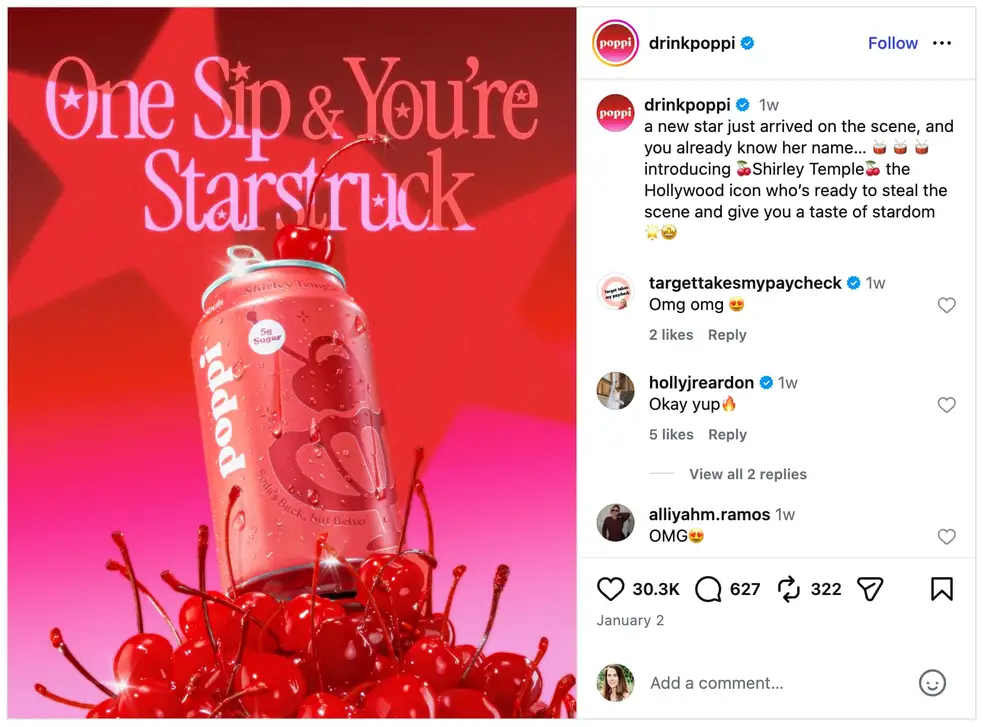
But it has a very different vibe from this post that showcases real people enjoying this Poppi product:
The most successful strategies avoid choosing between the two, opting instead for a hybrid model that balances control with credibility. Branded content provides the essential framework for education and brand identity, while user-generated moments bridge the “trust gap” to accelerate purchasing decisions.
This ensures your brand remains consistent while feeling human and relatable to your audience.
Benefits of user-generated content
Not thoroughly convinced yet? That’s okay—we’ve got even more benefits that UGC can bring to your business.
Builds authentic trust
According to Nielsen’s 2021 global study, 88% of consumers trust recommendations from people they know above all other forms of advertising.
When Warby Parker features customer photos instead of professional models, shoppers see glasses on real faces with different features and complexions. This authenticity drives conversion rates that polished campaigns struggle to match.
The psychology is straightforward. People trust people who don’t get paid to share opinions. A verified purchase review on your product page carries more credibility than an influencer endorsement because the economic incentive disappears.
Reduces content production costs
Building an in-house creative team costs a substantial amount of money before you can shoot even a single frame. UGC flips this model entirely. Instead of hiring photographers, videographers, and editors, you curate what your community already creates.
Chewy receives thousands of pet photos weekly from customers showing delivered products. Rather than staging expensive photo shoots, the retailer repurposes these authentic moments across social media, email campaigns, and even hand-painted portraits they send back to customers.
The cost savings are significant, while the emotional impact exceeds any stock photography budget.
Content performance comparison
| Metric | Professional branded content | User-generated content |
| Average engagement rate | Baseline | 28% higher engagement |
| Production cost per asset | $1,000–$20,000+ | $0–$500 |
| Consumer trust level | 38% brand content | 88% peer recommendations |
| Content creation timeline | 2–4 weeks | Instant to 48 hours |
Builds loyal communities
When LEGO Ideas invites customers to submit and vote on new set concepts, participants become invested in outcomes. Winning designs get manufactured and credited to creators, generating waves of organic coverage as these individuals share their journey from concept to retail shelves. LEGO gets product validation, market research, and marketing content simultaneously.
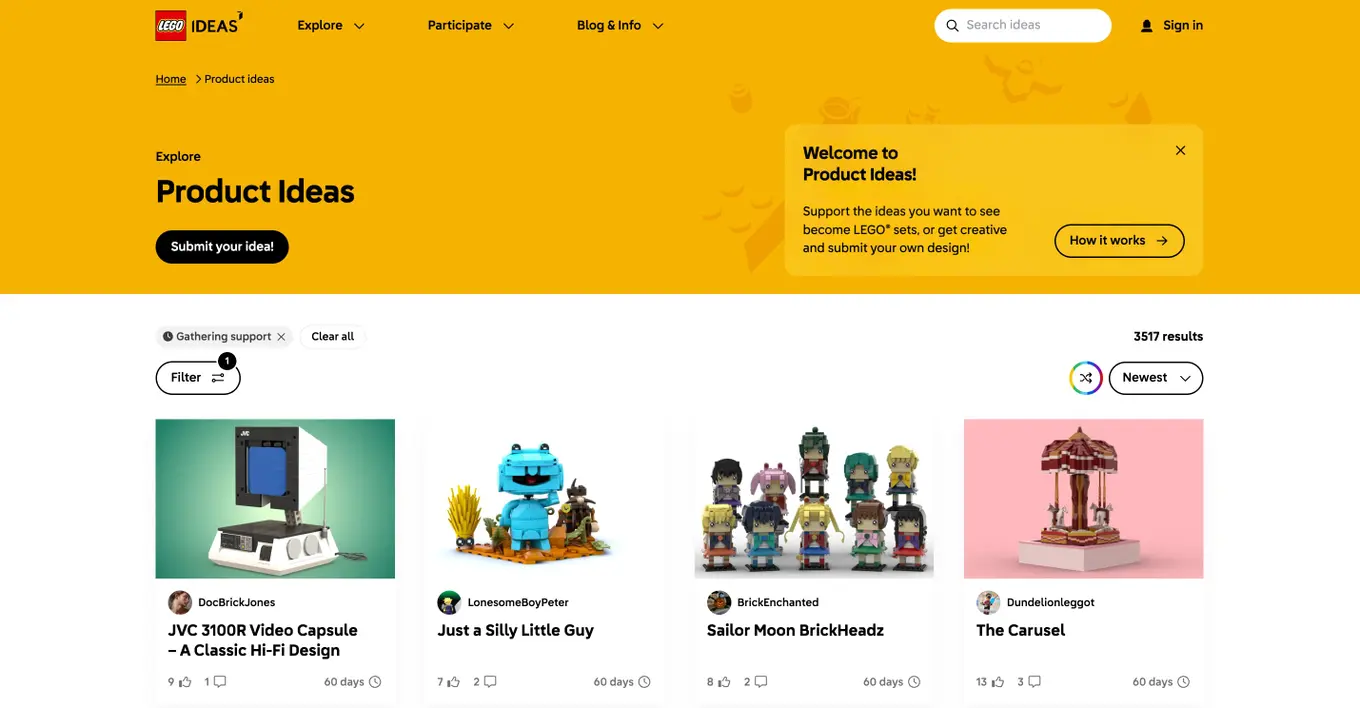
The emotional component matters as much as the functional one. When people see their content featured by a brand, it creates reciprocal loyalty. They transform from passive customers into active advocates who continue creating content without prompting or payment.
Types of user-generated content
UGC comes in many different forms, and it’s way more than just a single photo or video. From quick social posts to long, detailed reviews, each type helps your customers feel more confident about buying from you.
These formats let you reach people at every step of their journey, whether they want a 15-second unboxing or a deep-dive tutorial. When you know how to use all these types together, you turn your community into a powerful engine that builds real trust.
Reviews and testimonials
Reviews answer the fundamental question every potential customer asks: does this actually work? Many consumers have made purchases based on peer recommendations, making reviews essential for driving conversion at every stage of the buyer’s journey.
Sephora’s review system demonstrates this at scale. The beauty retailer processes millions of reviews annually, many including customer photos showing products on different skin tones, ages, and types. These images solve the fundamental challenge of beauty e-commerce by showing real results on real people, which professional photography can’t replicate authentically.
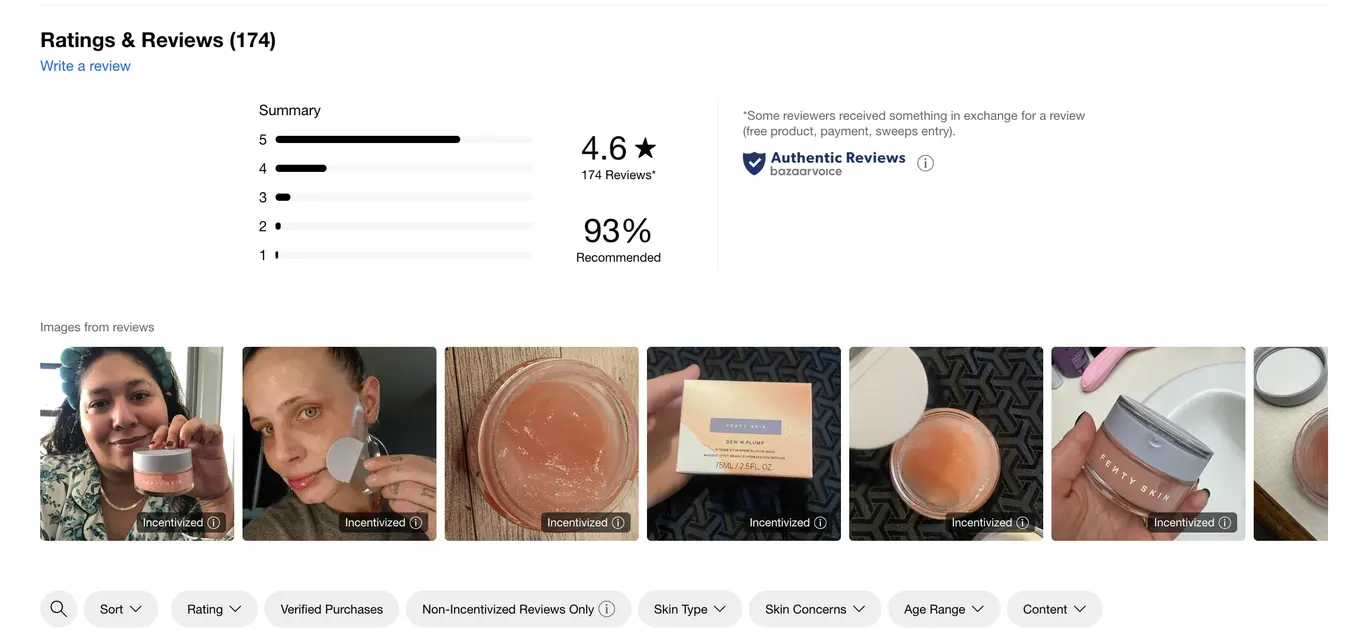
Smart brands make review collection frictionless. Post-purchase emails with photo upload options significantly increase submission rates. The key is timing. Send review requests 7-14 days after delivery when customers have actually used the product long enough to form informed opinions.
Social media posts
Social posts offer the highest volume and versatility of any UGC type. Customers tag brands in stories, share unboxing videos, participate in hashtag challenges, and create trends organically without prompting or payment.
REI’s #OptOutside campaign asked people to skip Black Friday shopping and spend the day outside instead. The outdoor retailer closed all stores on the year’s biggest retail day and invited customers to share their adventures as part of a UGC campaign.
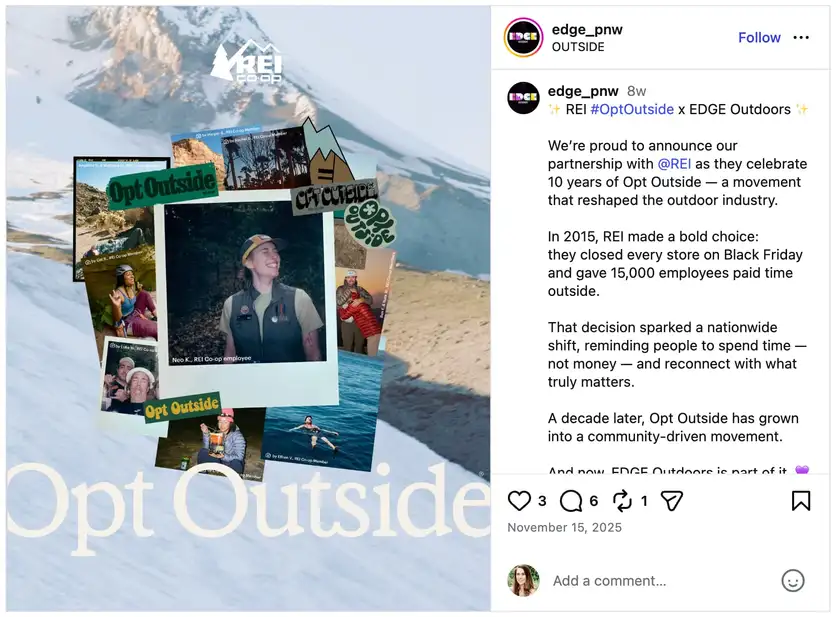
The hashtag generated 6.7 billion impressions across multiple years and fundamentally repositioned REI as a brand prioritizing values over transactions.
When showcasing social UGC, include both photo and video examples. Photo UGC works perfectly for lifestyle shots, product styling, and before/after transformations.
Video UGC excels at demonstrating product use, unboxing experiences, and authentic storytelling that feels less scripted than professional content.
Long-form content
Blog posts and detailed reviews written by customers provide depth that social posts can’t match. These pieces offer context, detailed experiences, comparisons, and SEO value. Readers trust these voices because they come from real users researching and evaluating products, not marketing teams following brand guidelines.
Notion’s community creates extensive tutorials, workflow templates, and productivity guides without company prompting. These posts rank in search engines, answer detailed questions potential customers actually ask, and drive organic traffic while demonstrating product versatility across industries and use cases.
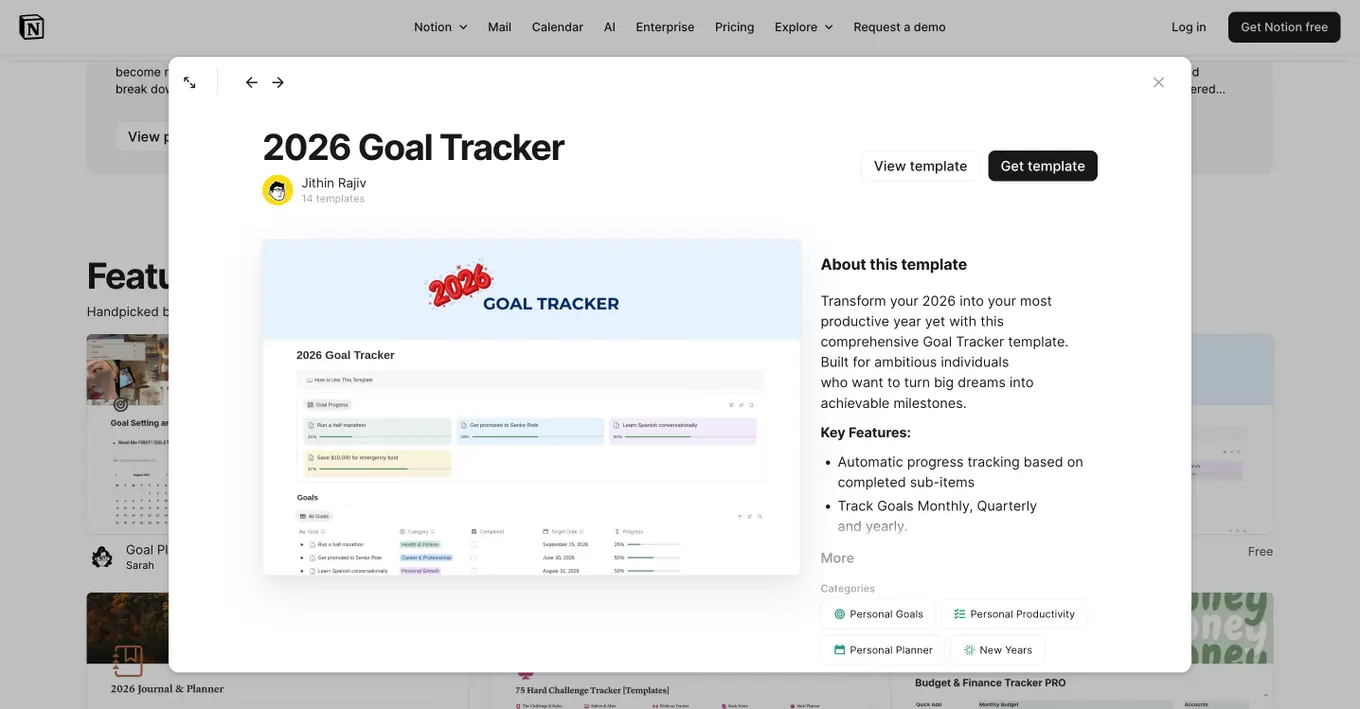
Feature guest blogs on your website or share them through your social media marketing strategy. This approach builds authority, drives organic traffic, and provides valuable insights into what topics and solutions matter most to your audience.
Podcast and forum discussions
Podcast mentions give your brand a voice in conversations that matter. When a host or guest discusses your product authentically, you reach listeners who trust their opinions and recommendations.
Forum discussions on Reddit, Quora, and niche boards offer raw, unfiltered feedback. One great example of this is the Webflow subreddit, where people building websites using the Webflow platform can get together to share tips and tricks.
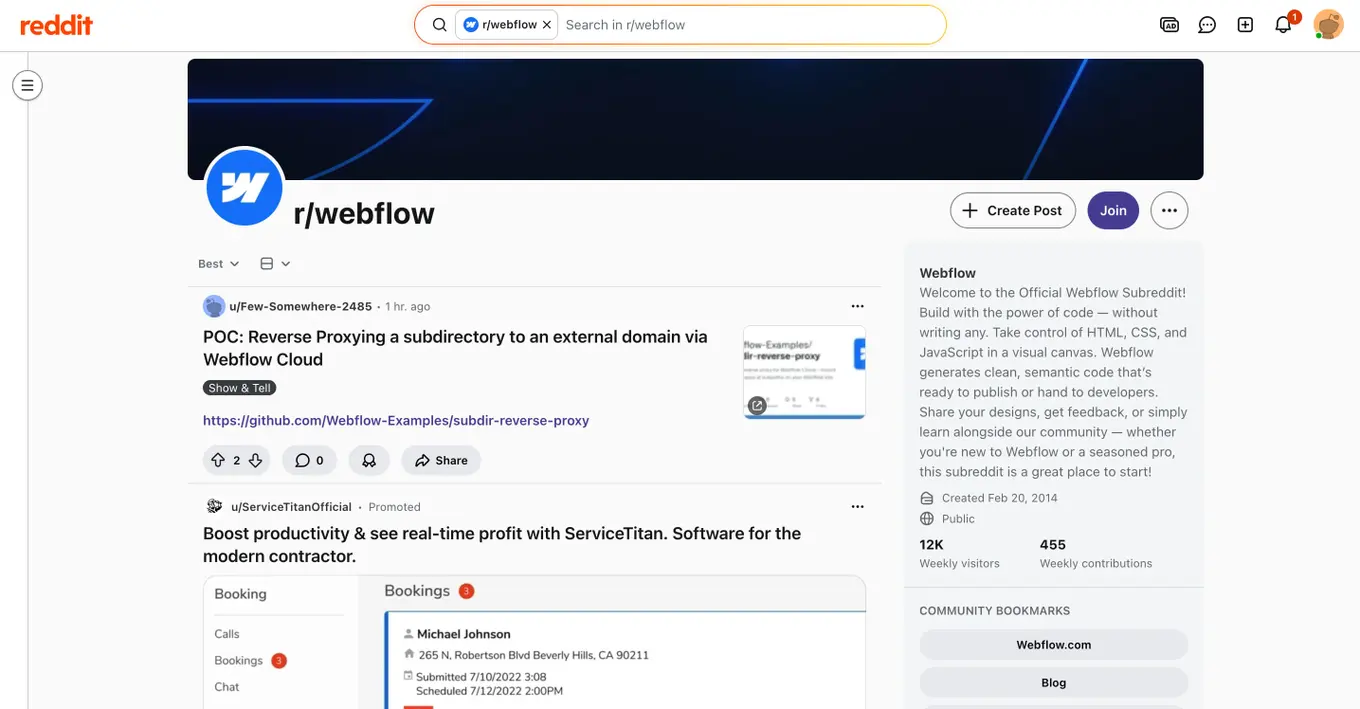
Monitor these platforms for brand mentions and respond when appropriate. When you spot positive feedback, consider highlighting it on your website or social feeds after securing permission.
Vista Social’s listening tools help track brand mentions across platforms so you can respond quickly and gather valuable insights.
Employee-generated content
Your team members are criminally underutilized as content creators, especially in the realm of UGC campaigns that can amplify your brand’s reach. Employees possess insider knowledge, genuine enthusiasm, and professional networks filled with potential customers, recruits, and industry peers.
Duolingo encourages employees to share behind-the-scenes moments, company culture, and creative projects on LinkedIn. These posts humanize the brand and reach networks of peers and potential hires.
Studies show B2B companies see significantly higher engagement on employee-shared content versus corporate page posts, making employee advocacy essential for B2B brands.
LinkedIn remains the ideal platform for employee advocacy. When staff share company updates or industry insights, posts reach professional networks that corporate pages can’t access organically, expanding reach without additional ad spend.
Paid UGC
Paid UGC bridges the gap between influencer marketing and organic content. You hire creators to produce authentic-looking content that mimics genuine customer posts but with creative direction, guaranteed delivery dates, and usage rights.
Learn more about what UGC creators do and how they differ from traditional influencers.
This model works because audiences respond to relatability over polish. A Ring doorbell video from a creator showing a delivery driver being served snacks converts better than a scripted ad with actors in a perfect set. The content looks native, scrolls naturally, and triggers the same trust signals as organic UGC.
Platforms like Aspire and Creator.co connect brands with vetted creators at scale. Brief them clearly, approve content before it posts, then repurpose top performers across paid ads, email campaigns, and website galleries. Content typically costs $100-500 per asset versus $5,000+ for traditional production while often outperforming on every engagement metric.
Always disclose paid relationships per FTC guidelines. Transparency builds trust, while deceptive practices destroy it permanently.
6 brands executing UGC brilliantly
The best way to understand UGC is to see it in action. While many companies still rely on expensive ads, these six brands have mastered the art of letting their customers do the talking.
They’ve built strategies that make people genuinely excited to share their own photos, videos, and stories. Let’s look at how they use this content to build massive trust and grow their business.
Airbnb
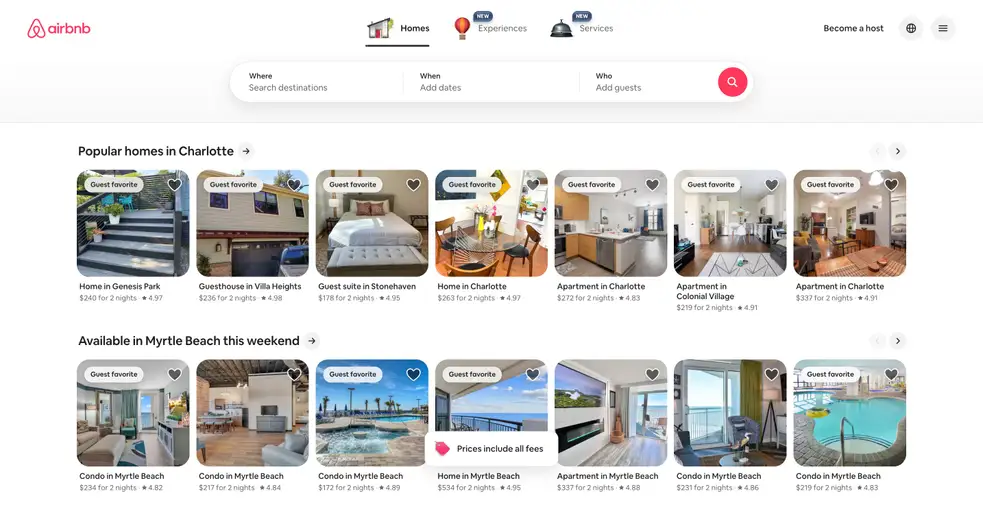
Airbnb’s #OneLessStranger campaign asked users to perform random acts of hospitality and share the stories. The campaign generated 3 million social media interactions in three weeks and content that demonstrated Airbnb’s core value proposition (connecting strangers through shared experiences) better than any traditional advertising campaign could.
What they did right: They made content creation effortless (just share a kind moment), aligned it perfectly with brand values (hospitality and connection), and featured the best submissions prominently across official channels.
National Geographic

National Geographic’s photo contests turn amateur photographers into contributors to one of the world’s most prestigious visual brands. Hundreds of thousands of submissions annually provide a massive content library while building a community of passionate advocates who follow the brand religiously and share content across their networks.
What they did right: They set a high-quality bar that maintained brand prestige, provided meaningful recognition to winners (featured in the magazine or on Instagram), and maintained editorial standards that preserved the National Geographic reputation.
Glossier
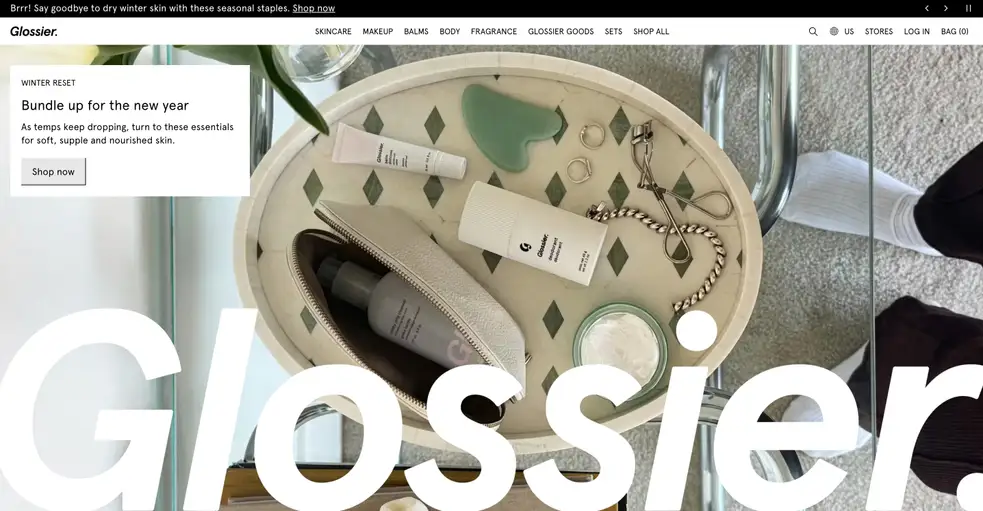
Glossier doesn’t just collect UGC for marketing. They use it to build products. The beauty brand asks customers what they want, tests formulas based on feedback, and launches products co-created with their community. When customers feel ownership over product development, they become evangelists before launch day even arrives.
What they did right: They made customers feel genuinely heard (not just surveyed), demonstrated that feedback drives real product decisions, and credited the community publicly for innovations and successful launches.
Notion
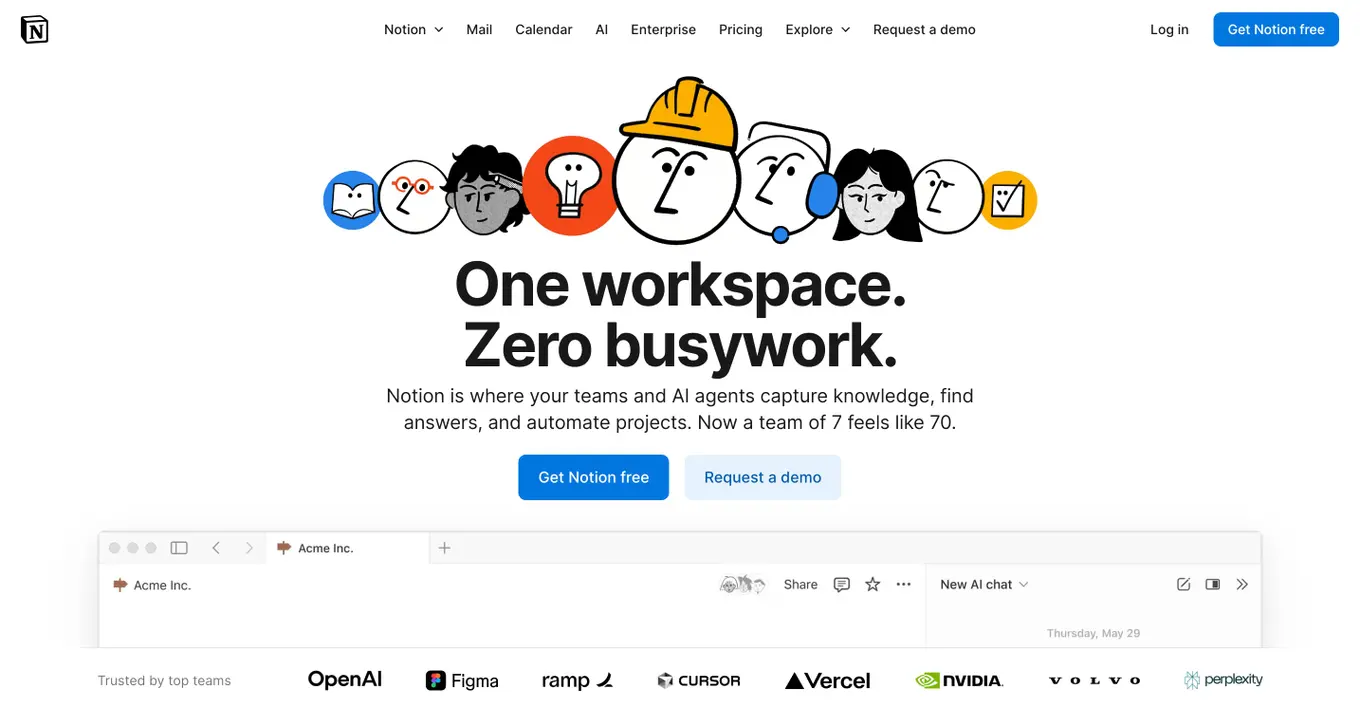
Notion users create and share workspace templates for everything from project management to personal journals to wedding planning. The company features top templates on their website, turning users into unpaid product marketers. Each template demonstrates a specific use case and provides immediate value to new users exploring the platform.
What they did right: They made sharing templates technically simple, credited creators prominently with attribution, and built a marketplace around community contributions that drives both acquisition and retention.
Patagonia
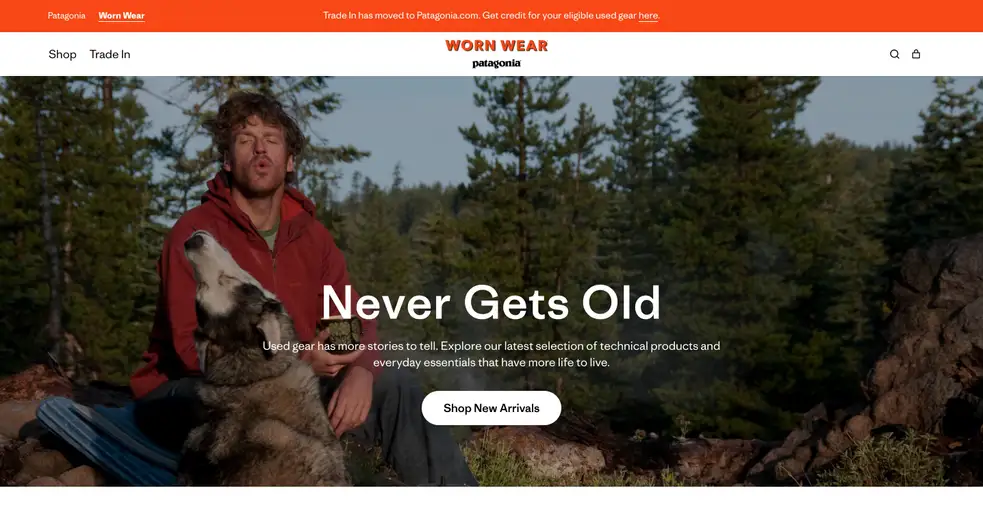
Patagonia’s Worn Wear program invites customers to share stories about their oldest, most-loved gear. These posts demonstrate product durability while reinforcing Patagonia’s environmental stance (buy quality, use it forever, don’t consume needlessly). Each story becomes proof that the brand’s values aren’t marketing fluff but operational reality, showcasing great examples of authentic customer content.
What they did right: Aligned UGC with a clear brand position (sustainability), celebrated longevity over new purchases (counterintuitive for retail), and made sustainability tangible through real customer stories rather than abstract claims.
Duolingo
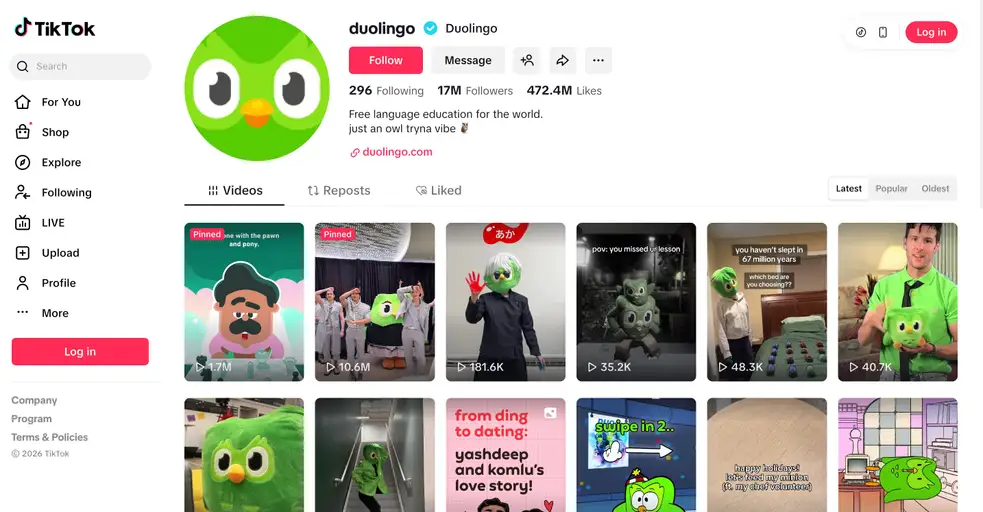
Duolingo’s TikTok account succeeds because it leans into chaos. Users create memes about the owl mascot being threatening, dramatic lesson streaks, or notification anxiety. Rather than controlling the narrative, Duolingo amplifies the weirdness, turning user jokes into official content that feels genuinely fun rather than corporate and controlled.
What they did right: They embraced how users talk about the product (even when it’s weird or off-brand by traditional standards), responded to trends quickly, and let community sentiment guide content direction.
How to gather user-generated content
You don’t have to just sit back and hope your customers post about you. Instead, you can use a few simple strategies to encourage them to start sharing their own photos and videos.
The secret is to make the process feel easy, fun, and rewarding for your fans so they want to join in. From creating a unique hashtag to asking for a quick photo after a purchase, here are the best ways to get your community talking
Launch branded hashtag campaigns
Successful hashtag campaigns combine memorable branding with specific creative direction. Choose a hashtag that’s short, unique, and tied directly to your brand. Provide clear guidelines on what to share, but leave room for creativity.
Apple’s #ShotOniPhone campaign demonstrates this perfectly. The tech giant didn’t ask for product reviews or unboxing videos. They asked users to share their best iPhone photos. The brilliance? Every submission simultaneously showcases the phone’s camera quality while providing Apple with professional-grade photography at zero cost.
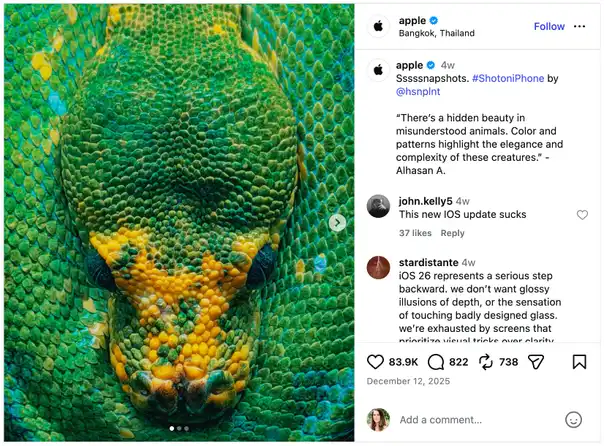
The campaign has generated millions of posts globally, with Apple featuring selected photos on billboards, in ads, and across social channels. Contributors get recognition from one of the world’s biggest brands. Apple, in turn, gets an endless stream of content proving their camera claims better than any spec sheet could.
The formula works because Apple kept it simple: take a great photo, tag it, get a chance at global exposure. No complicated rules, no essay requirements, just one clear action.
Structure your campaign the same way. Create a unique hashtag (check it’s not already in use), provide clear but flexible guidelines, offer meaningful recognition, and feature top submissions where your audience will actually see them.
Once you’ve collected submissions, use a social media management platform to stay organized. Vista Social’s publishing tools let you easily save approved UGC to your media library and schedule it across multiple platforms using the queue feature, which publishes content at optimal times based on when your audience is most active.
Add photo uploads to review requests
Amazon’s success with customer photos isn’t accidental. The review system makes uploading images technically simple and visually prominent. Your automated emails after purchase should include one-click photo upload options alongside standard rating requests.
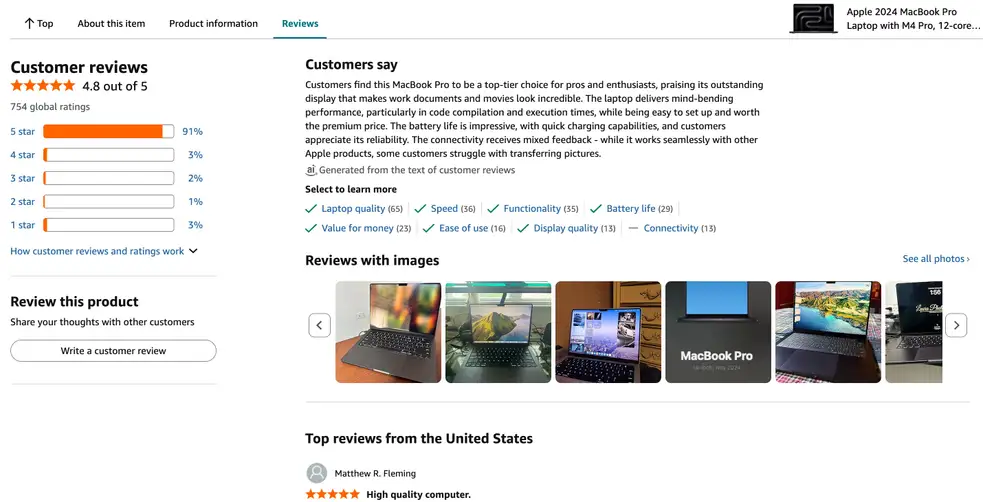
Wait 7-14 days post-delivery so customers have actually used the product long enough to form informed opinions. Include specific prompts that drive better content:
- “Show us how you use it”
- “Where did you take it?”
- “What problem did it solve for you?”
Specific questions generate richer content than generic open-ended requests.
Partner with micro-influencers
Micro-influencers generate higher engagement rates than macro-influencers. Their audiences actually trust them because followers are friends, not anonymous fans, which means recommendations carry genuine personal weight rather than transactional endorsement.
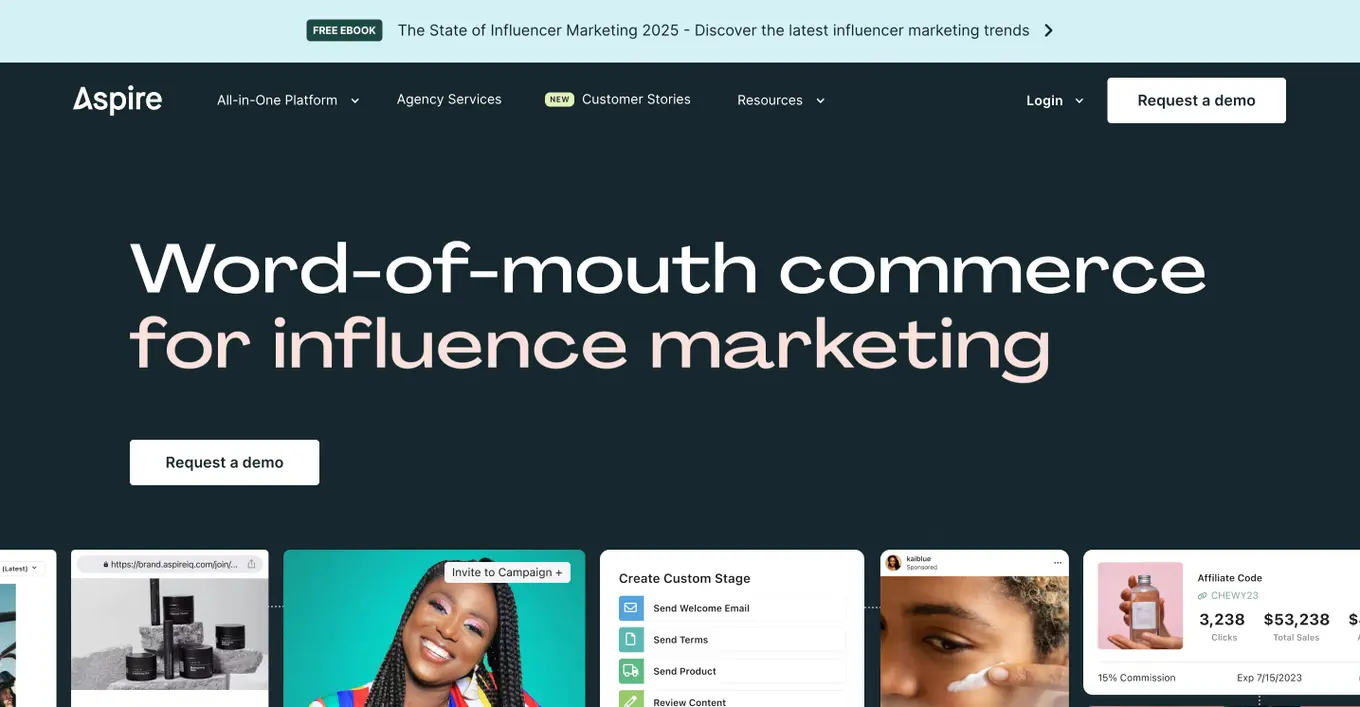
Find them by searching branded hashtags on target platforms, checking who mentions you organically in posts, or using platforms like Aspire that vet creators. Prioritize authentic enthusiasm over follower count.
Someone with 5,000 engaged followers who genuinely loves your product will outperform a 100,000-follower account that’s clearly transactional and promotional, especially when it comes to UGC content.
Deploy interactive social features strategically
Instagram polls, LinkedIn questions, and TikTok duets turn passive audiences into active participants. Glossier uses Instagram Stories to test product concepts and packaging designs, turning followers into focus groups while generating engagement and valuable market research simultaneously.
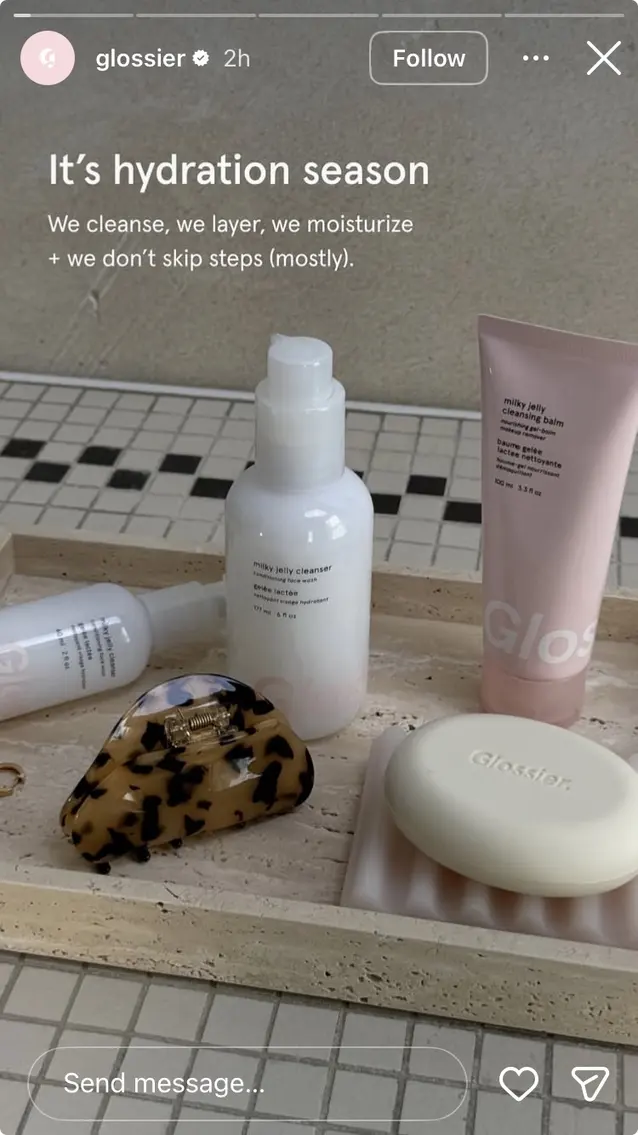
Make participation effortless. A poll takes one tap, while a video response requires creativity, time, and confidence. Match the ask to your goals and audience comfort level. For more creative ways to generate ideas and participation, check out these social media content ideas.
Run contests worth entering
Most UGC contests fail because the payoff doesn’t justify the effort required. Winning a $50 gift card for creating original content isn’t compelling or memorable. National Geographic’s contests work because winners get featured in the magazine or on their Instagram (275M+ followers), which is meaningful recognition worth substantial creative effort.
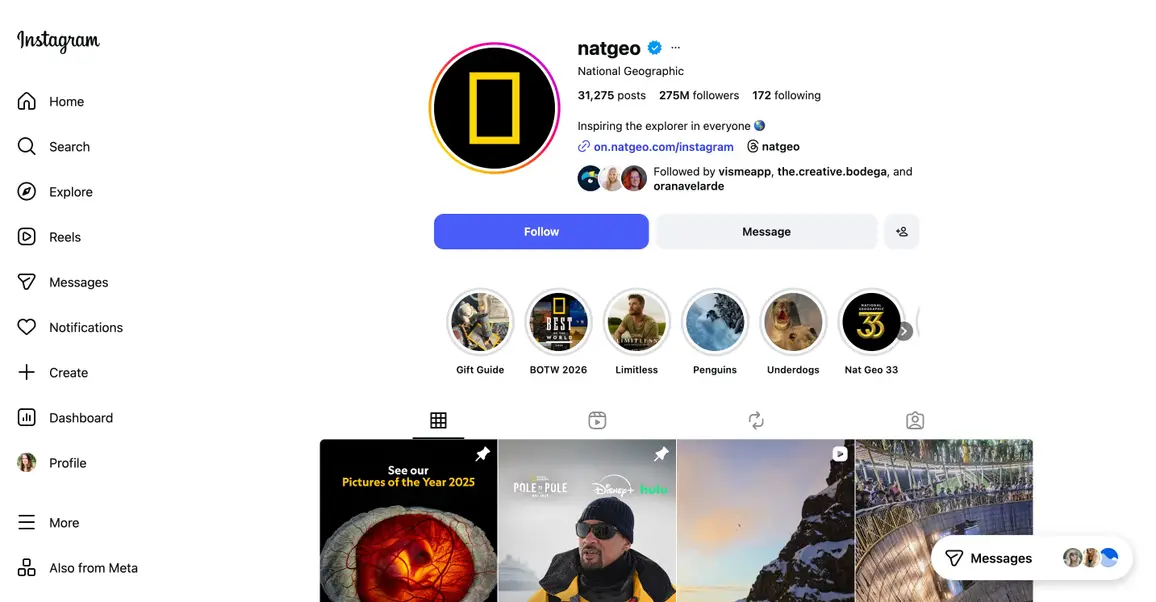
Prize options could include brand features (ego and recognition), substantial cash or product value (tangible reward), charitable donations in winners’ names (values alignment), or exclusive experiences (memorable stories). Make the prize match the effort required and audience motivation.
Best practices for incorporating UGC into your social strategy
Ready to start using UGC in your social media content? Use these best practices to make sure you do so the right way every time.
Always secure permission first
You must secure explicit written permission before sharing user-generated content commercially. Creators hold copyright to their work automatically, even if it appears publicly on Instagram or TikTok. Using content without documented consent risks legal trouble and damages community trust permanently.
Build a standardized permission workflow that scales. Send clear DMs requesting specific rights, document approval through screenshots or email confirmations, credit the creator in every single use, and maintain an organized spreadsheet tracking permissions with expiration dates if applicable.
NOTE: Public posts aren’t free to use commercially. Instagram’s terms let users post on the platform but don’t grant brands promotional rights to that content. Always ask first, always document approval, always credit.
Credit every creator properly
Credit every creator whose content you share, without exception. Tag users directly in images and stories, mention their handle prominently in captions, and include attribution in video overlays. This practice isn’t just polite courtesy; it’s strategic community building.
When you tag someone in a post, you expose their content to your audience while signaling to everyone else that you recognize and value contributions. This encourages more submissions because people see concrete evidence that participation leads to recognition and exposure.
Encourage ongoing content creation
Build relationships and recruit brand ambassadors actively. Define clear goals for your campaigns and select the right channels for collecting content based on where your audience actually spends time. Contests, challenges, and interactive features drive initial participation.
Launch branded hashtag campaigns with crystal-clear calls to action. Feature top submissions prominently to motivate others. Provide simple instructions and make sharing technically frictionless across platforms.
Reward contributors meaningfully with recognition, exclusive perks, early access, or featured placement. People love seeing their work spotlighted, which drives continued participation and advocacy.
Match content to platforms strategically
User-generated content performs differently across platforms based on format, audience behavior, and cultural norms. Instagram and TikTok drive visual engagement through photos and short videos. LinkedIn works for professional stories and employee advocacy content. Facebook helps reach broader demographics and community-focused content.
Choose platforms strategically based on your goals. To boost e-commerce conversion, showcase reviews and photos on product pages. For real-time engagement and conversation, schedule posts across Instagram, TikTok, and Facebook simultaneously.
Platform-Specific UGC Strategy
| Platform | Best UGC format | Primary audience behavior | Vista social feature |
| Photos, Reels, Stories | Visual discovery and shopping | Publishing and DM automations | |
| TikTok | Short videos, challenges, trends | Entertainment and education | Publishing and DM automations |
| Reviews, photos, community posts | Community building and discussion | Publishing and review management | |
| Employee stories, professional insights | B2B relationship building | Advocacy and publishing | |
| YouTube | Long-form video, tutorials, reviews | Deep-dive education | Publishing and analytics |
| Inspirational images, how-to guides | Planning and aspiration | Publishing |
Repurpose top-performing UGC strategically for different channels. A customer video can become an Instagram Reel (15-30 seconds), a TikTok post (original length), a YouTube Short (60 seconds), and an embedded website testimonial. One core asset, four platform-optimized placements.
Track performance metrics that matter
Monitor how your user-generated content performs against clear business objectives. Data tells you what works, what needs improvement, and where to invest more resources. Measure engagement rate (likes, comments, and shares divided by reach), click-through rate (intent to learn more), conversion rate (actual purchases or sign-ups), and sentiment analysis (positive versus negative comment themes).
Vista Social’s analytics dashboard shows which UGC posts drive the most engagement, clicks, and conversions compared to professional branded content. Most brands discover UGC drives significantly higher engagement at a fraction of the acquisition and production cost.
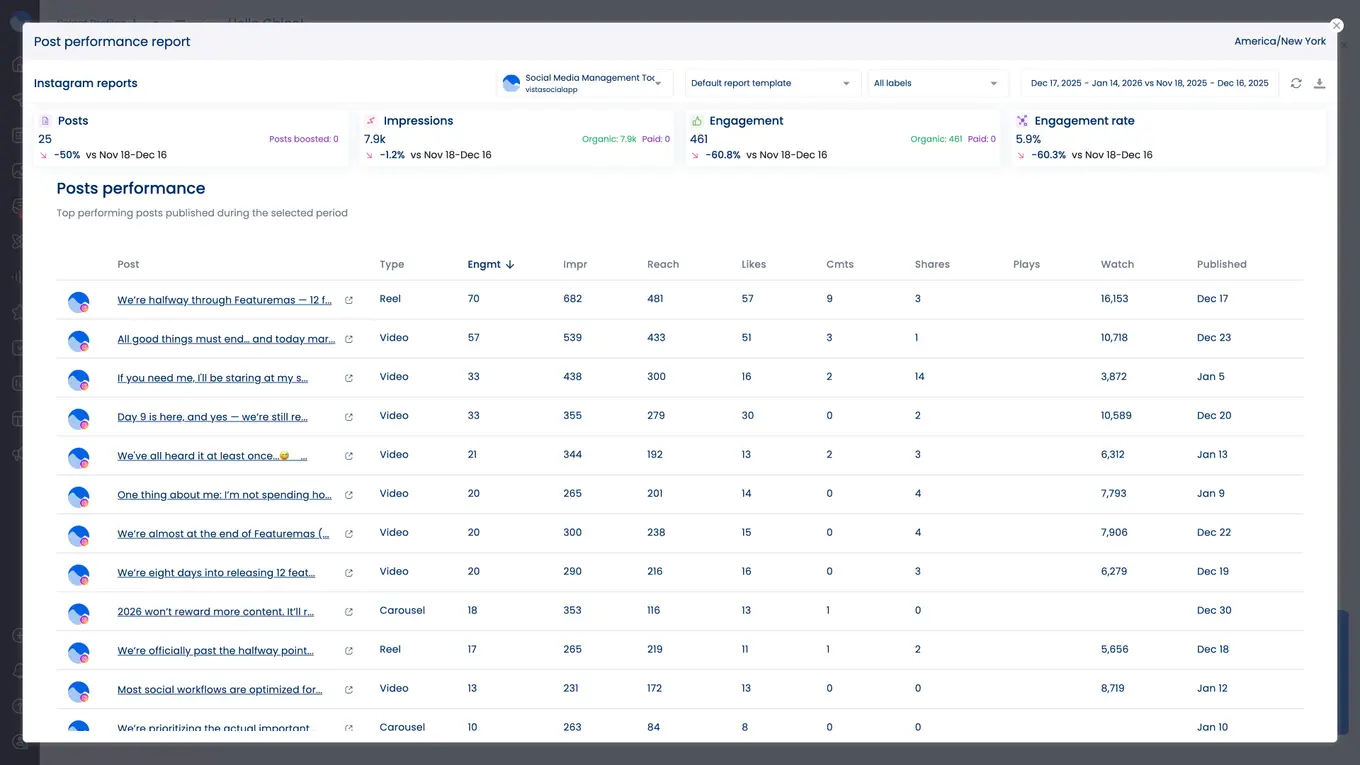
Set clear KPIs aligned with business goals. Track top contributors and reward them appropriately. For multi-location brands, monitor feedback and performance across all regions to spot trends, opportunities, and potential issues before they escalate.
User-generated content FAQs
How do you start sharing user-generated content?
Begin by finding what already exists organically. Search branded hashtags across platforms, check review sites for customer feedback, and monitor social mentions using listening tools.
Request written permission from creators whose content aligns with your brand values and aesthetic, then share it with clear, visible attribution. Build a consistent cadence because sporadic sharing trains audiences not to expect recognition, which kills future participation.
What is an example of user-generated content?
UGC takes countless forms across channels: a customer Instagram photo showing your product in daily use, a detailed Amazon review with multiple images, a TikTok unboxing video with authentic reactions, a podcast host mentioning your service unprompted, a Reddit thread discussing your product features, or an employee LinkedIn post celebrating a company milestone.
Any content created by non-brand entities that features or authentically mentions your brand qualifies as user-generated content.
How is user-generated content different from influencer marketing?
Influencer marketing is paid, controlled, and contractual. You hire specific people to create predetermined content under brand guidelines with clear deliverables and usage rights. UGC is organic, authentic, and community-driven.
Customers create and share content because they want to express their genuine experience or participate in a brand community, not because they’re compensated.
Paid UGC creators blur this distinction by producing authentic-looking content under creative direction, but the fundamental difference remains: traditional UGC flows from genuine customer experience, while influencer content stems from contracted business relationships with predetermined outcomes.
Try Vista Social for free
A social media management platform that actually helps you grow with easy-to-use content planning, scheduling, engagement and analytics tools.
Get Started NowAbout the Author

Content Writer
Orion loves to write content that refuses to be boring. As part of Vista Social, he helps brands, creators, and agencies stop doom scrolling and start winning with social media. When he's not in front of a keyboard, he's watching films in IMAX with his wife, dissecting football tactics (the European kind), and getting lost in a good book.
Loading related tools...




Tools
PublishingAnalyticsEngagementIntegrations
FacebookInstagramLinkedInRedditSnapchatThreadsTikTokX (Twitter)YouTubeBlueskyVista Page (link-in-bio)All IntegrationsCopyright © 2026 Vista Social LLC. All Rights Reserved.