

Published on January 7, 2026
9 min to read
Social Proof: What Is It & What It Means in Marketing

Summarize with AI

Table of contents
Summarize with AI

ChatGPT

Claude

Perplexity
Share

Vista Social

X (Twitter)


Have you ever walked past two restaurants and automatically chosen the busier one? Or scrolled through Amazon reviews before buying something? That’s social proof at work.
Social proof is one of marketing’s most effective psychological tools. When people see others taking action, they naturally feel more confident about making the same choice.
In this guide, we’ll explore what social proof means for your marketing strategy. You’ll discover different types, see real examples, and learn how to build social proof into your marketing.
Table of contents
10 types of social proof
Social proof manifests in different ways depending on your industry and audience. Here are the ten most powerful types and how successful brands use them.
Case studies
Case studies tell the complete story of how a customer overcame challenges using your solution. They’re especially powerful for B2B companies selling complex products.
Here’s what a good case study looks like in action. Shopify regularly publishes case studies showing how specific businesses grew using their platform. One case study features Allbirds, detailing how they used Shopify POS to transform “how they managed inventory and fulfilled orders across all channels”.
What makes this case study effective is its narrative structure. It doesn’t just say “Allbirds uses Shopify.” Instead, it shows the journey from problem to solution to measurable outcomes, making it easy for other growing businesses to see themselves in the story.
Effective case studies include the customer’s initial challenge, implementation details, measurable results, and direct quotes from real people. They help potential customers envision achieving similar results.
Testimonials
Testimonials are quick, authentic endorsements that potential customers can digest instantly. These brief quotes from satisfied customers build trust and can be placed throughout your marketing materials.
The best testimonials address specific benefits, come from named customers, include personal details for authenticity, and use natural conversational language. Companies usually display the testimonials they get on their website, just like this one from Vista Social.
Reviews
Customer reviews are among the most trusted forms of social proof. Unlike curated testimonials, reviews appear on third-party platforms where customers share unfiltered opinions.
Amazon demonstrates the power of good reviews perfectly. Products with substantial positive reviews consistently outsell those with few reviews.
For example, the Nintendo Switch™ with Neon Blue and Neon Red Joy‑Con™ has almost 10,000 product reviews, with most of them being 5 stars. This tells potential customers that this specific product is worth the purchase.
Reviews work because of their perceived authenticity. They’re real feedback from actual users, not marketing messages.
This is where monitoring social media engagement becomes valuable. Companies can track reviews across platforms and respond quickly to feedback.
Endorsements
Endorsements from industry experts or respected figures carry significant weight. When someone with established credibility recommends your product, it suggests professional evaluation and approval.
For example, companies can feature endorsements from recognized marketing experts throughout their materials. Take note that when creating materials, they are not supposed to be generic celebrity endorsements, but targeted recommendations from people respected within their target market.
Effective endorsements come from people your audience recognizes, include specific benefits, mention credentials, and feel authentic rather than paid.
Notable logos
Displaying logos of well-known companies creates instant credibility through association. This “logo social proof” leverages established brand recognition to validate your solution.
For example, Zoom features logos from companies like The New York Times, Werner Enterprises, and CapitalOne on their homepage. Visitors immediately understand that serious organizations trust Zoom without reading detailed explanations.
This works because it suggests enterprise readiness, technical reliability, and successful implementation by demanding organizations.
Customer/user numbers
Big numbers create instant impressions of success and popularity. When you show how many people use your product, it suggests widespread adoption.
A great example of this is how Spotify displays the number of times people listen to specific content, whether it’s music or a podcast episode. Simply check the number beside the song title, and that’s exactly how many times it has been played.
The app also shows you how many people have saved a playlist, which is nice to know especially if you’re the type to create public playlists!
User-generated content
User-generated content (UGC) represents authentic social proof created by actual customers. This includes photos, videos, and social media posts that feel genuine because real people create them.
GoPro built their marketing strategy around customer videos. Customers share amazing footage shot with GoPro cameras. GoPro features the best content, showing product capabilities better than professional ads.
Influencer posts
Influencer marketing leverages social proof from people with engaged followings. When influencers genuinely recommend products, their audiences pay attention.
Daniel Wellington watches are still global thanks to strategic influencer partnerships. They partner with carefully selected people who can then model their watches. This created massive social proof while feeling authentic.
Successful influencer campaigns feel natural, match the influencer’s content style, include proper disclosures, and focus on genuine benefits.
Awards
Industry awards provide third-party validation from recognized experts. They demonstrate that your product has been evaluated and found superior by neutral authorities.
Awards work because they suggest rigorous evaluation and superiority over competitors. Display them prominently, include awarding organizations, and explain their significance.
Integrations
Showcasing tool and platform integrations builds confidence by suggesting compatibility and ease of implementation. This is especially important for business software.
Zapier displays over 8,000 integrations, making them appear as the central hub of business connectivity.
Brands like Slack shows logos of popular integrated tools, demonstrating workflow compatibility.
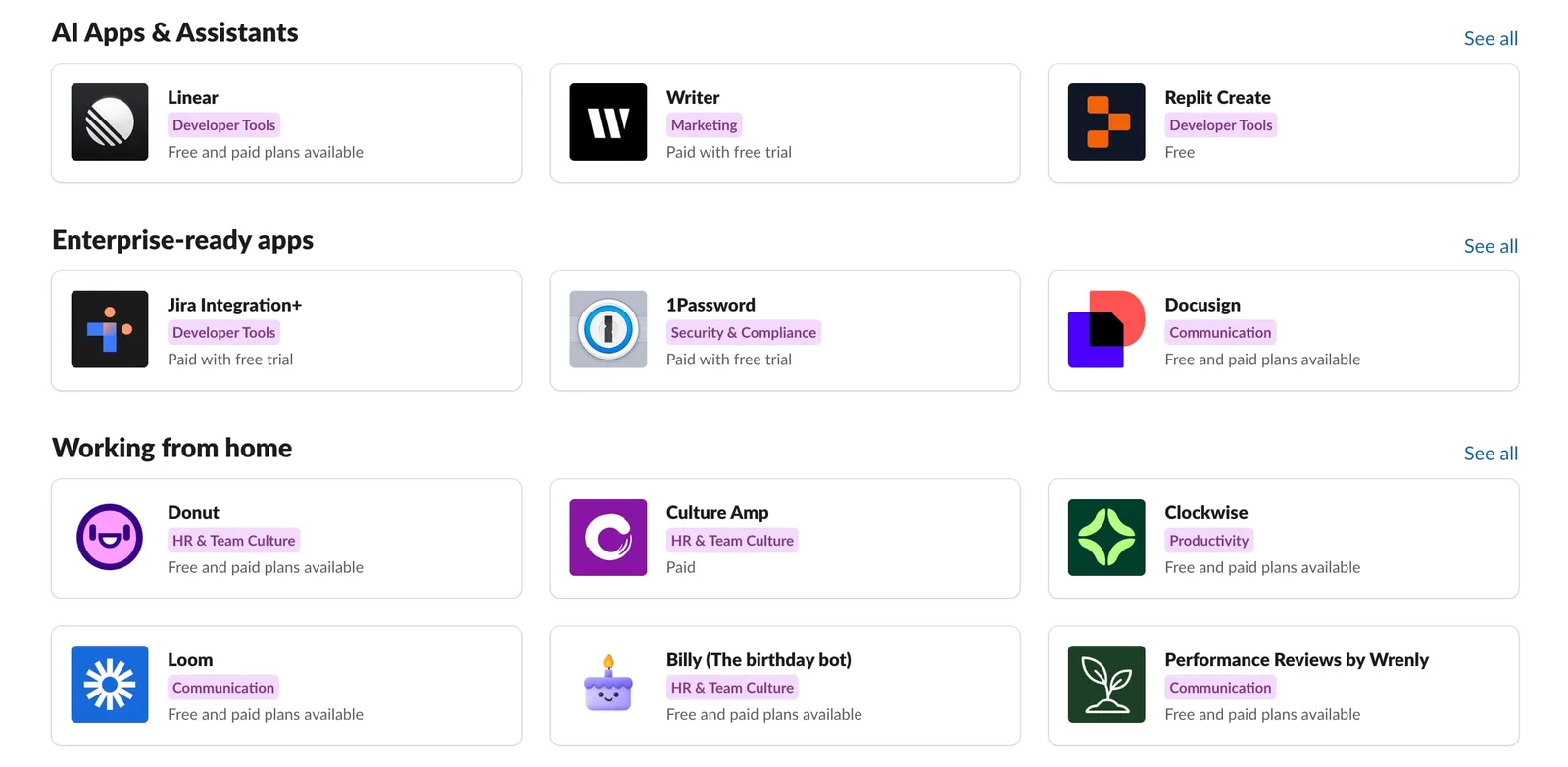
Integration social proof reduces switching costs, demonstrates adoption, suggests technical competence, and makes implementation feel easier.
Try Vista Social for free
A social media management platform that actually helps you grow with easy-to-use content planning, scheduling, engagement and analytics tools.
Get Started NowAbout the Author

Content Writer
Russell Tan is a content marketing specialist with over 7 years of experience creating content across gaming, healthcare, outdoor hospitality, and travel—because sticking to just one industry would’ve been boring. Outside of her current role as marketing specialist for Vista Social, Russell is busy plotting epic action-fantasy worlds, chasing adrenaline rushes (skydiving is next, maybe?), or racking up way too many hours in her favorite games.
Loading related tools...




Tools
PublishingAnalyticsEngagementIntegrations
FacebookInstagramLinkedInRedditSnapchatThreadsTikTokX (Twitter)YouTubeBlueskyVista Page (link-in-bio)All IntegrationsCopyright © 2026 Vista Social LLC. All Rights Reserved.
Social proof FAQs
What is an example of social proof?
One of the most recognizable examples is Amazon’s customer review system. When you browse a product, you see star ratings, written reviews, and purchase counts like “4.5 out of 5 stars from 2,847 reviews.” This works because it shows that thousands of other people already took the same risk and were satisfied with their choice.
How do you obtain social proof?
Building social proof requires reaching out to satisfied customers when their positive experience is still fresh. The most effective strategies include sending follow-up emails after purchases, asking for feedback during high engagement moments, and monitoring social media for organic mentions. Happy customers usually help when asked directly, but they rarely provide testimonials without encouragement.
How do you use social proof in marketing?
Integrate social proof throughout your entire marketing funnel rather than hiding it on one page. Place testimonials on your homepage, include case studies in sales presentations, and display customer logos near purchase decisions. For SaaS marketing strategies, showcase detailed case studies that help potential customers envision achieving similar results.