

Published on May 11, 2026
12 min to read
What Is a Marketing Funnel & How Does It Work

Summarize with AI

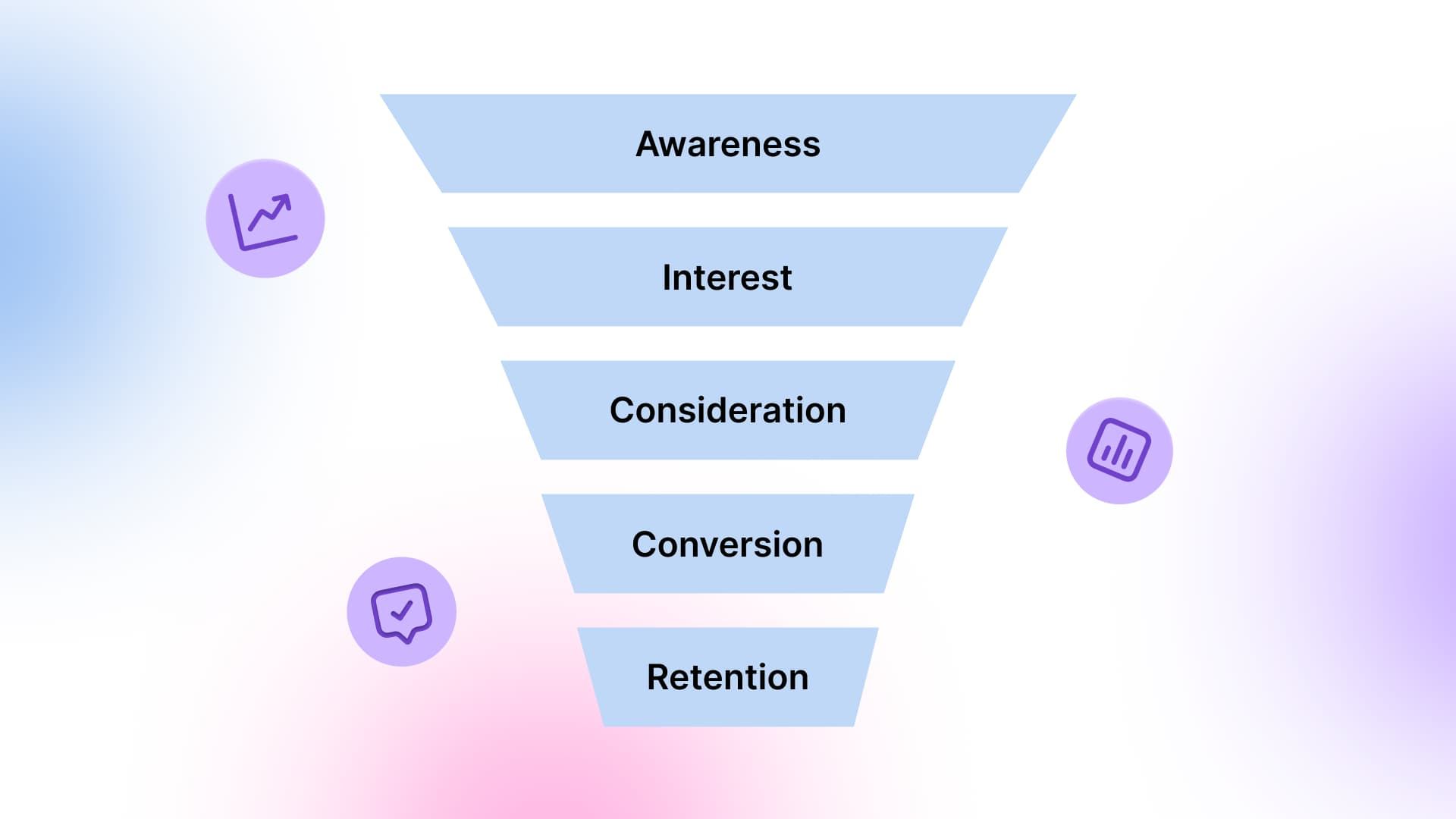
Table of contents
Summarize with AI

ChatGPT

Claude

Perplexity
Share

Vista Social

X (Twitter)


Most brands are better at creating content than they are at thinking about who that content is actually for. Posts go out, engagement happens (or doesn’t), and the metrics get reported without anyone really asking whether the content is doing the right job for the right person at the right point in their decision-making.
That gap is where the marketing funnel earns its place. It’s a framework that maps how someone moves from first hearing about a brand to becoming a paying customer, and it gives every piece of content a job, a stage it belongs to, and an audience it’s specifically meant to move forward. Without it, a social media marketing strategy becomes a content production schedule dressed up as a plan.
This guide covers every stage of the funnel, what social media content belongs at each one, how B2B and B2C brands use the funnel differently, and how to build a strategy around it that actually produces results.
Table of contents
What is the marketing funnel?
The marketing funnel is a model that describes the path a person takes from first discovering your brand to becoming a customer and, ideally, one who keeps coming back. Wide at the top because you’re reaching as many people as possible and narrow at the bottom because only a fraction of them will convert, the funnel helps you understand that different people in different stages of that journey need different things from you.
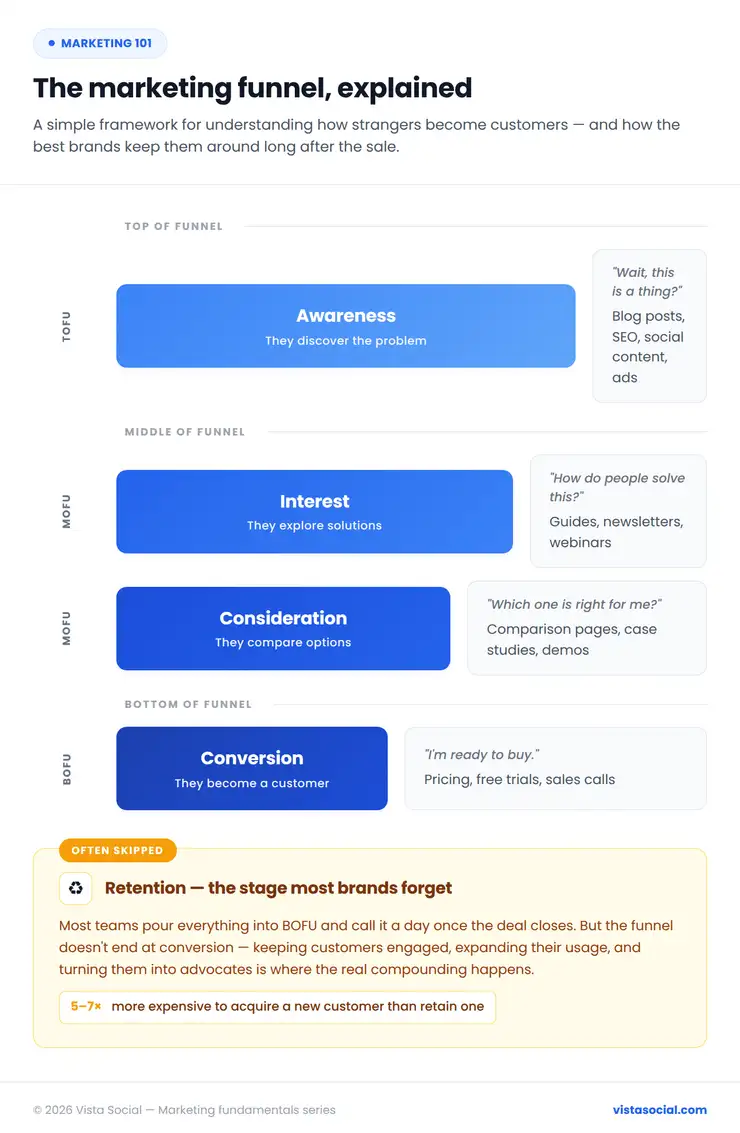
The concept traces back over a century to the original AIDA model (Awareness, Interest, Desire, Action), and while the labels have evolved, the underlying logic hasn’t. People don’t wake up ready to buy. They discover, explore, evaluate, and then decide. If you’ve done the job well, they’ll come back and tell other people.
What’s changed most in the modern version is the recognition that the journey is rarely linear. Someone might jump straight to the consideration stage because they’ve been recommended your brand by a friend. Another person might circle back from conversion to awareness when they discover a product line they didn’t know you offered. The funnel is a map, not a script, and the best marketers use it as a diagnostic tool rather than a rigid formula.
Why is your marketing funnel important?
Without a funnel framework, most content defaults to two modes: Chasing reach at the top and hoping something converts, or going straight for the sale with people who aren’t close to ready. Both are expensive habits to maintain.
Here’s what thinking in funnel stages actually gives you:
- Clarity on what’s broken: If you’re generating strong awareness but nothing is converting, the problem isn’t your ad spend, it’s your consideration-stage content. The funnel tells you where to look.
- A job for every piece of content: Not “content” generically, but specific work at a specific stage for a specific type of person.
- Messaging that matches the moment: Someone who discovered your brand last week and someone who’s been following you for six months are in fundamentally different headspaces. The funnel stops you from treating them the same.
- Smarter paid spend: When you know which stage is leaking, you direct budget toward the content that plugs it rather than adding more volume at the top.
- A reason to care about retention: The brands that grow efficiently in 2026 treat their existing customers as an active part of the funnel, not an afterthought. They’re easier to sell to, more likely to refer, and cheaper to keep than new customers are to acquire.
Stages of the marketing funnel (and how social media fits in)
There are five main stages of the marketing funnel that you need to know. Learn more about each stage and how you can get more customers all the way through.
Awareness
Awareness is where someone encounters your brand for the first time. They’re not looking to buy; instead, they’re scrolling, browsing, or watching something that caught their eye, and your only job is to be worth their attention.
The content required at this stage isn’t about your product. It’s about breaking through in a feed crowded with every brand competing for the same eyeballs.
According to DataReportal’s Digital 2025 Global Overview Report, 29.7% of internet users now discover new brands through social media ads, a figure that has grown by nearly 12% over two years. And among users aged 18 to 34, social is the primary brand discovery channel outright.
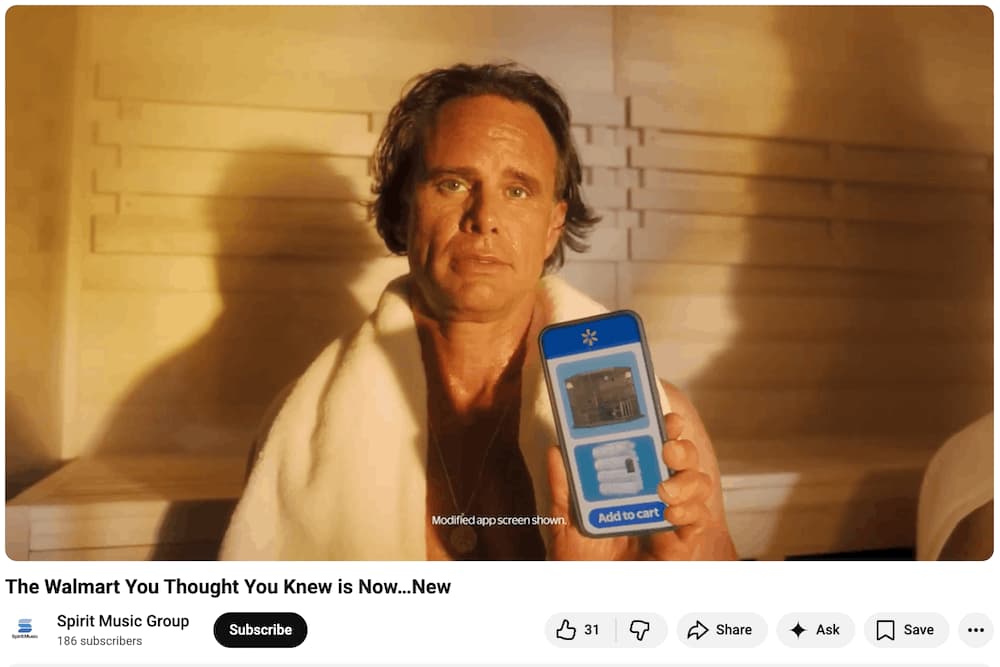
Walmart’s “Who Knew?” campaign, which launched in 2025, is a textbook example of how a legacy brand can use social media content to reshape perception at the top of the funnel.
The campaign was built around creator-first TikTok content that showed shoppers discovering genuinely unexpected product finds at Walmart, quality home goods, fashion items, and food brands they didn’t associate with the retailer.
Social media content that belongs at the awareness stage:
- Short-form video: Reels, TikToks, and YouTube Shorts that entertain or educate without assuming prior knowledge of the brand
- Trend-driven content: Format-native posts that prioritize reach over message depth
- Educational content: Posts that solve a problem or answer a question the audience has, with the brand as the messenger rather than the subject
- Creator partnerships: Collaborations that introduce you to an established, relevant audience
- Brand storytelling: Content that communicates values, personality, or a point of view that’s genuinely interesting to the people you want to reach
Interest
Interest is where someone moves from “I’ve seen this brand” to “I want to know more.” They might follow your account, save a post, click through to your profile, or sign up to hear from you. They’re not evaluating a purchase yet, but they’re paying attention.
The content job shifts here from generating reach to building a reason to stay. Personality matters as much as information at this stage, and the best brands use it to create a sense that following them is worth something on its own, not just when a purchase is imminent.
Airbnb’s “Icons” campaign through 2024 and into 2025 is one of the clearest examples of interest-stage content executed at scale.
Rather than promoting listings or driving bookings directly, Airbnb created a series of once-in-a-lifetime experiences hosted by cultural figures, including an overnight stay in the X-Men’s Xavier mansion and a night inside a Ferrari museum, and built social content around those experiences that had nothing to do with a transactional message.
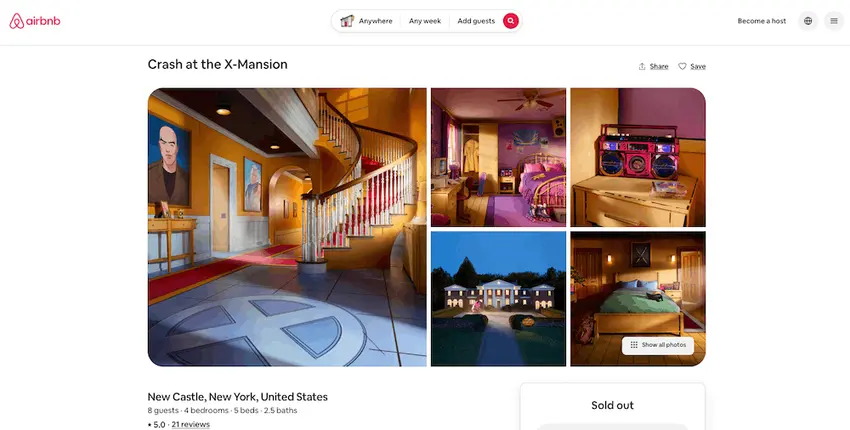
The campaign won four Bronze Lions at the 2025 Cannes Lions festival and kept Airbnb living in people’s social feeds as a brand worth following, not just a platform worth using when they needed accommodation. Interest-stage content doesn’t ask people to buy anything. It gives them a reason to stay close to the brand until they’re ready to.
Social media content that belongs at the interest stage:
- Behind-the-scenes content: Posts that let people into the brand’s world beyond the product
- Recurring series: Consistent formats that give an audience a reason to come back on their own
- Deeper educational content: Carousels, longer videos, or threads that go beneath the surface on topics the audience cares about
- Community content: Polls, questions, and conversations that invite participation rather than passive consumption
- Email or newsletter prompts: Opt-in content for people who are ready to engage further
Consideration
Consideration is where someone is actively working out whether your brand is the right choice. They’re comparing you to alternatives, reading reviews, watching demos, and looking for evidence that what you’re selling actually delivers. They’re not going to take your word for it at this stage, and the content that moves them forward is almost never content where the brand is talking about itself.
This is where user-generated content becomes the most powerful tool available. Real customers sharing real outcomes carry more weight with someone in the consideration stage than any polished campaign creative.
According to research from Ignite Social Media, UGC posts drive five times higher conversion rates than brand-created ads, which tracks with the experience of pretty much anyone who’s watched their own purchasing behavior closely enough to notice the pattern.
Sephora’s approach to consideration-stage content across Instagram and TikTok through 2024 and 2025 shows exactly how the middle of the funnel should work in beauty and personal care.
Rather than running polished product campaigns, Sephora built its consideration presence around tutorial content, honest reviews from creators, and in-app try-on features that let people experience products before committing to a purchase.
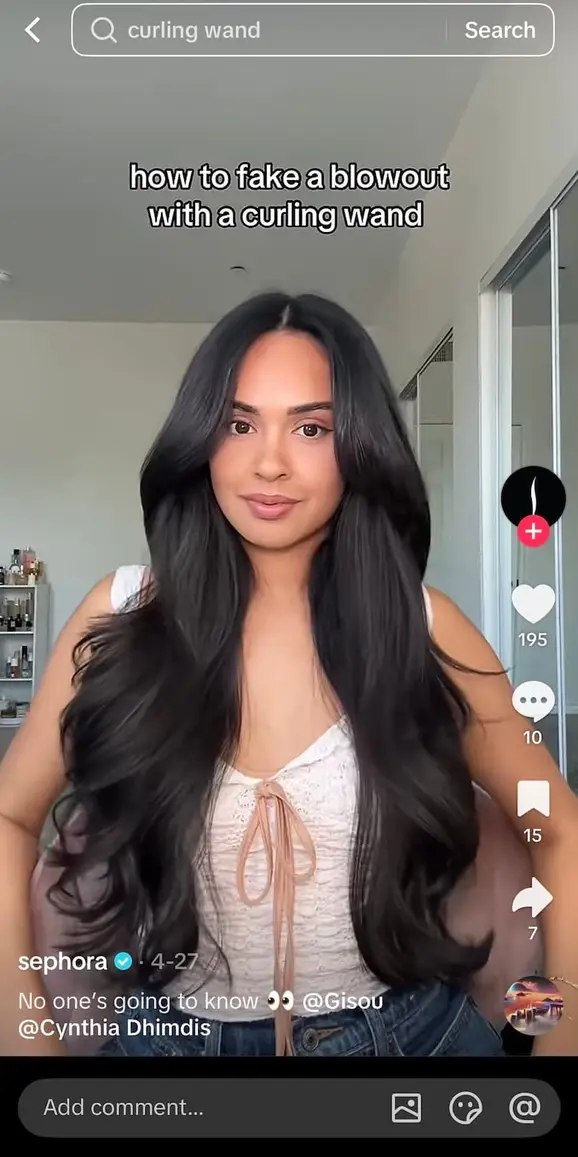
By the time someone was ready to buy, they’d already seen the product used on someone with their skin tone, read reviews from real customers in the brand’s Beauty Insider community, and watched three different creators demonstrate the same foundation.
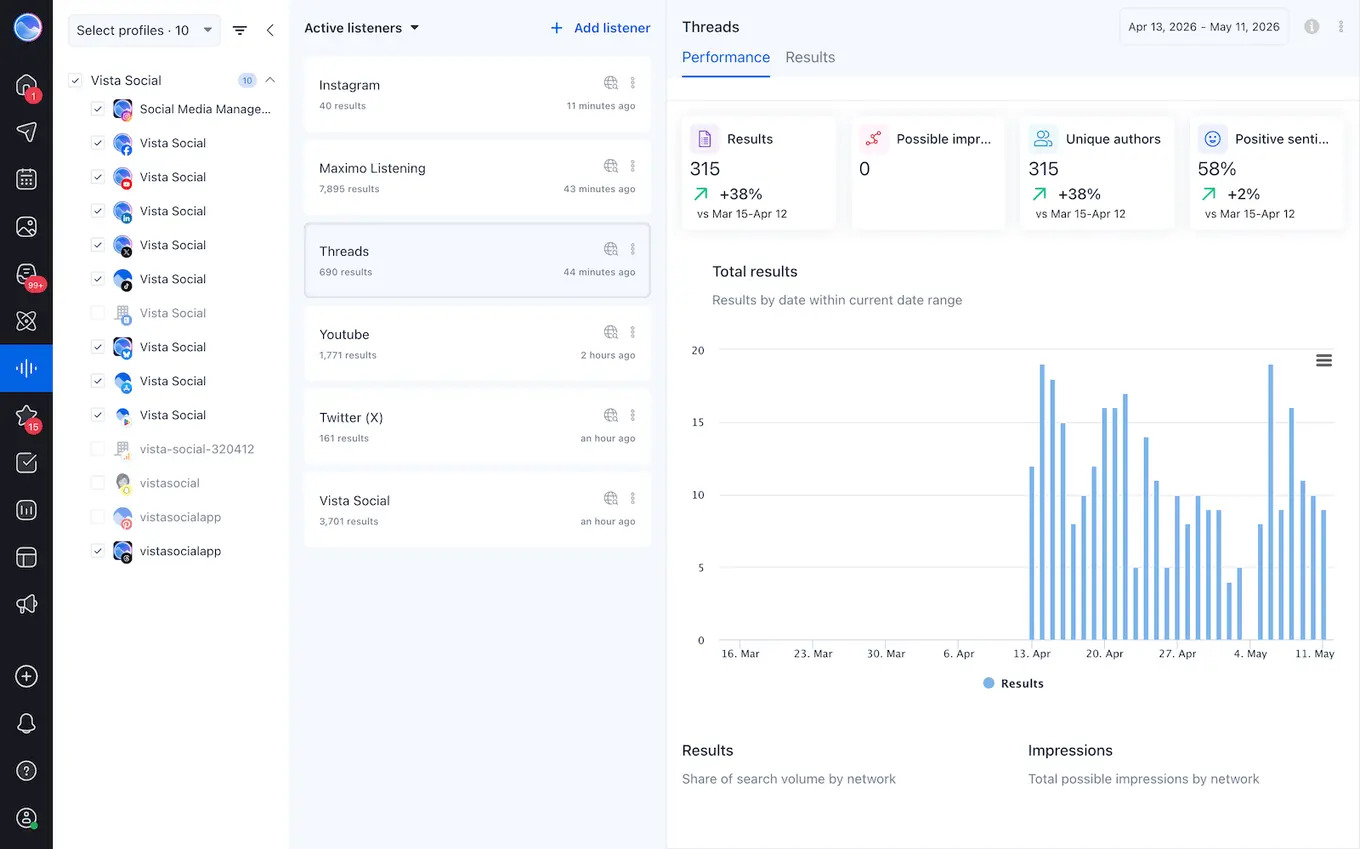
The consideration stage isn’t where you introduce the brand, it’s where you remove every remaining reason not to buy. Vista Social’s social media listening tools help you monitor what customers are already saying about your brand, your category, and your competitors so you know exactly which objections are surfacing in the conversation and can build consideration content that addresses them directly.
Social media content that belongs at the consideration stage:
- Customer testimonials and UGC: Real customers sharing outcomes, results, or experiences in their own words
- Case studies and before-and-after posts: Content that shows the transformation the product or service delivers
- Product demos: Walk-throughs of how the product actually works in real conditions
- FAQ and objection content: Posts that address the most common doubts honestly rather than defensively
- Third-party social proof: Review highlights, rating badges, or press mentions shared in the feed
Conversion
Conversion is where someone who’s already decided they probably want what you offer makes the final move. The content here is the most direct you’ll write. There’s no need to explain the brand or build the case from scratch, the person is close to the line and needs a specific reason to cross it now rather than later.
Chipotle’s TikTok conversion strategy across 2023 and 2024 shows how time-bound social content can close the gap between interest and purchase without feeling like advertising. Their approach consistently paired limited-time offers, like National Avocado Day free guac promotions and the Boorito Halloween offer, with platform-native content that made the mechanics of the offer part of the entertainment.
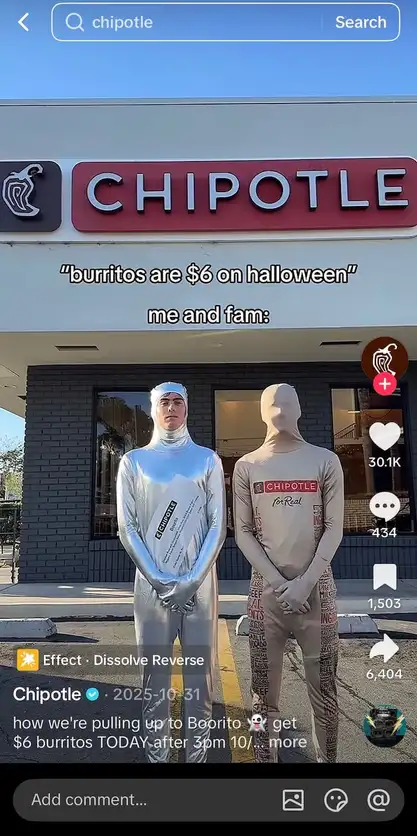
According to Chipotle’s Q3 2023 earnings report, digital sales made up 42.8% of all transactions that quarter, reflecting how consistently social-first conversion campaigns were driving purchase behavior.
The conversion content was explicit, time-sensitive, and embedded directly in the same feeds where people were already spending time, which made the path from “I want this” to “I ordered it” as short as possible.
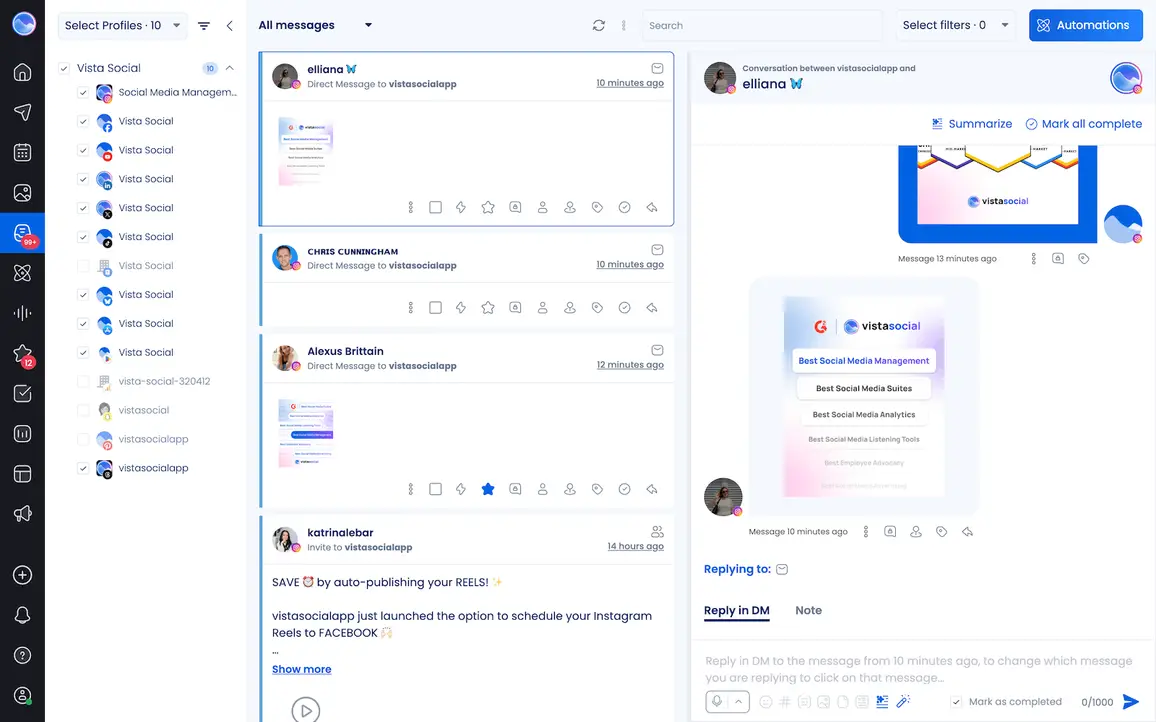
Vista Social’s social inbox automations work the same way at the conversion stage, catching high-intent DMs and responding immediately with the right offer before the moment passes.
Social media content that belongs at the conversion stage:
- Time-sensitive offers: Promotions, limited editions, or sales with a clear deadline, shared through posts and Stories
- Retargeting content: Ads designed specifically for people who have already visited, engaged, or expressed intent
- Direct response posts: Content with a single, unambiguous CTA that makes the next step obvious
- Checkout-linked UGC: Customer content paired with a direct purchase link that removes friction from the path to buy
- DM automations: Automated flows that catch high-intent messages and turn them into sales conversations without manual sorting
Retention
Retention is where most funnel diagrams draw their last arrow, and where most brands quietly stop paying attention. That’s a costly gap. Acquiring a new customer consistently costs more than keeping an existing one, and a retained customer who advocates for your brand drives acquisition that no paid campaign can replicate at the same efficiency.
According to Starbucks’ Q1 2024 earnings release, the Starbucks Rewards program reached 34.3 million active U.S. members, up 13% year-over-year, and the social content strategy running alongside it illustrates how retention content keeps existing customers engaged between purchases. Through 2024 and 2025, Starbucks used personalized “Double Star Day” notifications, seasonal drink announcement content timed to coincide with member early access windows, and app-based challenges that rewarded customers for trying new items rather than just buying their usual order.
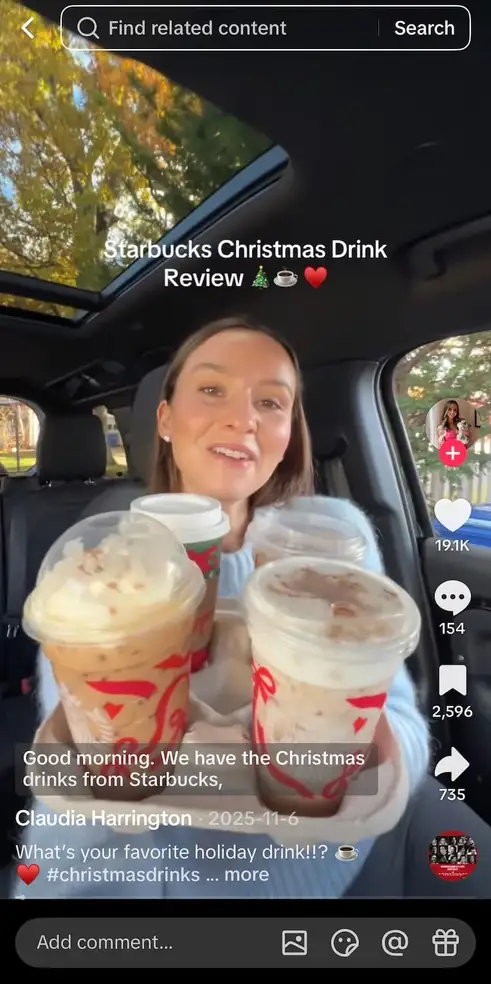
Members who engage with that content visit Starbucks 5.6 times more often than non-members and spend two to three times more. The social content isn’t working to acquire anyone at this stage. It’s working to keep people who already chose Starbucks choosing it again, which is what retention content is designed to do.
Social media content that belongs at the retention stage:
- Exclusive access content: Early announcements, first-look product reveals, or members-only information for existing customers
- Community content: Posts that make customers feel like insiders rather than transactions
- Re-engagement campaigns: Content specifically designed to reconnect with customers who haven’t purchased recently
- Educational content: Posts that help customers get more value from what they’ve already bought, deepening the relationship with the product
- Customer spotlights: Featuring real customers creates loyalty in the subject and social proof for the audience simultaneously
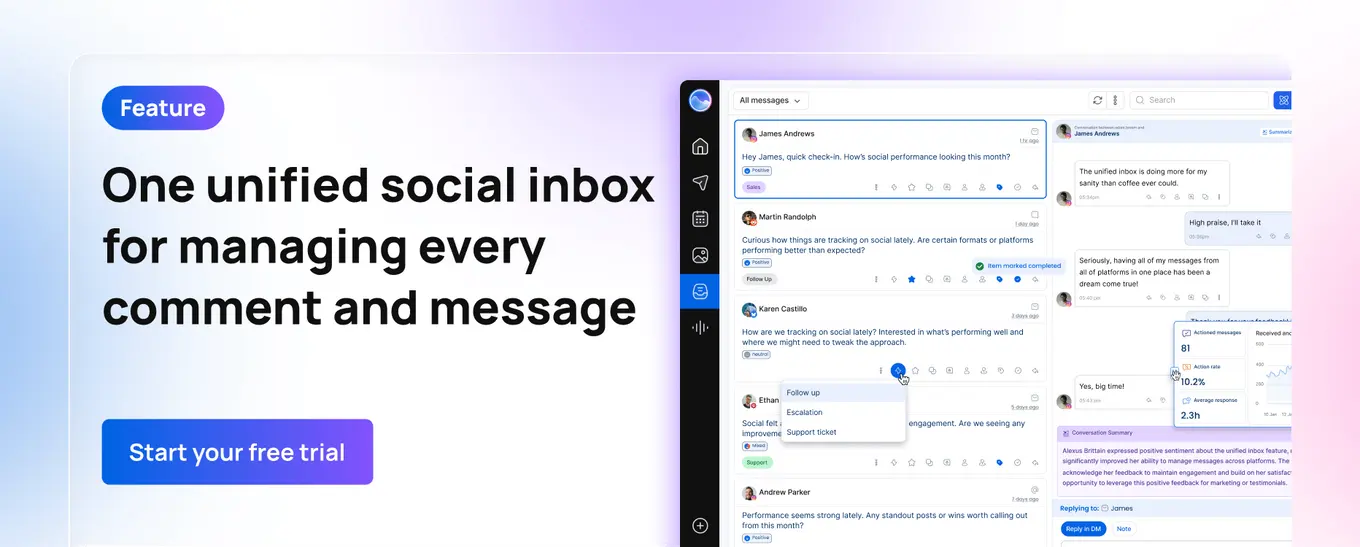
Vista Social’s unified inbox consolidates comments, DMs, and mentions from every platform in one place, so your team never misses a customer interaction that belongs at the retention stage, whether it’s a complaint that needs addressing or a loyal customer worth spotlighting.
B2B vs. B2C marketing funnels
The funnel stages are the same for B2B and B2C brands. How they play out is almost entirely different.
In B2C, the journey from discovery to purchase can happen in hours. Someone sees a Reel, follows the account, gets retargeted with an offer, and buys before the week is out.
Emotion carries significant weight at every stage, and social media content plays a direct role in the whole journey. One person is making a decision largely for themselves, and the content needs to resonate immediately and personally.
B2B operates on a fundamentally different timeline. A marketing manager who discovers a software tool on LinkedIn on Monday is nowhere near a purchase decision that same week.
They’ll need to evaluate it against alternatives, build a business case, get buy-in from at least two people who weren’t part of the original discovery, and often navigate a procurement process before anything gets signed. The funnel is longer, messier, and requires content that earns trust over time rather than converting on first contact.
| B2C | B2B | |
| Decision timeframe | Hours to days | Weeks to months |
| Number of decision-makers | Usually one | Often multiple |
| Primary conversion driver | Emotion, social proof, urgency | ROI, case studies, trust |
| Top awareness channel | TikTok, Instagram, YouTube | LinkedIn, search, content |
| Best MOFU content | Reviews, UGC, demos | Webinars, case studies, whitepapers |
| Retention focus | Repeat purchase, community | Renewal, expansion, advocacy |
Platform strategy follows from this. B2C brands do most of their funnel work on Instagram, TikTok, and YouTube. B2B brands do theirs primarily on LinkedIn, with retargeting and email picking up the later stages.
Running B2C-style content for a B2B audience, or the reverse, is one of the most common and expensive mistakes in social media strategy, and it’s almost always the result of building content without thinking about where the audience actually is in the buying journey.
Marketing funnel FAQs
What are the different stages of the marketing funnel?
The marketing funnel includes five stages: awareness, where someone encounters the brand for the first time; interest, where they engage more closely and start to follow or subscribe; consideration, where they evaluate whether the brand is the right fit; conversion, where they complete the primary action; and retention, where the goal is to keep them coming back and referring others. Some frameworks compress these into three stages (top, middle, bottom) using different labels, but the underlying journey remains consistent.
How is the marketing funnel different from the sales funnel?
The marketing funnel covers the full journey from first discovery through to post-purchase retention, driven by content, campaigns, and brand strategy. The sales funnel is narrower, focused on the later stages where a prospect has shown clear intent and is being worked directly by a sales process. In most organizations, marketing owns the top and middle of the funnel and hands qualified leads to sales at the conversion stage. The two overlap significantly at the bottom, which is why the terms get used interchangeably, even though they describe different vantage points on the same journey.
How can I use the marketing funnel within my business?
Start by auditing your existing content against funnel stages to identify where you’re producing too much and where you have almost nothing. Build a strategy that addresses each stage deliberately, using the right formats and platforms for your audience at each point. Track which content moves people between stages and where they drop off, then direct effort toward fixing the leaks rather than simply producing more volume at the top.
What are some marketing funnel best practices?
Match content to stage rather than producing one type of content for everyone. Prioritize social proof at the consideration stage, where it does the heaviest lifting. Treat retention as an active strategy, not an afterthought. Use analytics to identify which stage is underperforming rather than relying on overall engagement metrics that can obscure stage-specific problems.
Try Vista Social for free
A social media management platform that actually helps you grow with easy-to-use content planning, scheduling, engagement and analytics tools.
Get Started NowAbout the Author

Content Writer
Orion loves to write content that refuses to be boring. As part of Vista Social, he helps brands, creators, and agencies stop doom scrolling and start winning with social media. When he's not in front of a keyboard, he's watching films in IMAX with his wife, dissecting football tactics (the European kind), and getting lost in a good book.
Loading related tools...

The most complete social media management platform for teams who demand more.






Tools
PublishingAnalyticsEngagementIntegrations
FacebookInstagramLinkedInRedditSnapchatThreadsTikTokX (Twitter)YouTubeMCPVista Page (link-in-bio)All IntegrationsCopyright © 2026 Vista Social LLC. All Rights Reserved.