

Published on January 26, 2026
13 min to read
15 AI in Marketing Examples That Actually Moved the Needle

Summarize with AI

Table of contents
Summarize with AI

ChatGPT

Claude

Perplexity
Share

Vista Social

X (Twitter)


Every marketing blog will tell you AI is “transforming” the industry. They’ll throw around stats about adoption rates and market projections, and then they’ll leave you with generic advice about chatbots and personalization.
Most brands are doing AI marketing wrong. They’re chasing shiny tools instead of solving real problems. They’re automating tasks that didn’t need automating, and they’re missing the actual opportunities hiding in plain sight.
This isn’t another roundup of AI possibilities. These are documented campaigns with measurable outcomes from brands that figured out how to make AI work. Some succeeded spectacularly, others learned expensive lessons, and all of them offer something more valuable than theory—proof of what happens when AI meets real marketing challenges.
Table of contents
What is AI’s place in marketing?
Let’s be real for a second. Using AI in marketing is not about replacing creativity or strategy. It’s about doing what humans can’t do at scale: processing massive datasets, identifying patterns invisible to the naked eye, and personalizing experiences for millions of individuals simultaneously. If you’re just getting started, this AI for Beginners course is a great foundational resource to understand how these capabilities are powered and applied in real-world marketing.
The real value shows up in three areas:
- Pattern recognition at scale. AI can analyze customer behavior across millions of touchpoints and surface insights that would take human analysts months to uncover. This powers everything from predictive lead scoring to real-time campaign optimization.
- Hyper-personalization. Forget segmenting your audience into five buckets. AI enables one-to-one marketing at scale, delivering the right message to each person at the exact moment they’re most likely to act.
- Creative acceleration. AI handles the repetitive work (drafting variations, A/B testing headlines, optimizing send times) so your team can focus on strategy and big ideas.
What the hype machine often misses is the fact that AI-generated content for the sake of content is useless. People can spot “AI slop” instantly. The brands winning with AI aren’t using it to churn out more “stuff.”
They’re using it to do fewer things in better ways.
Vista Social’s AI Assistant exemplifies this approach. Rather than generating generic posts, it helps you craft content that matches your brand voice, respond to reviews authentically, and surface insights from your social data that actually inform strategy. It’s AI that amplifies human creativity instead of replacing it.
AI in digital marketing examples
Beyond social media, AI is reshaping how brands approach their entire digital presence.
3. L’Oréal’s ModiFace hit 100 million virtual try-on sessions in 2023
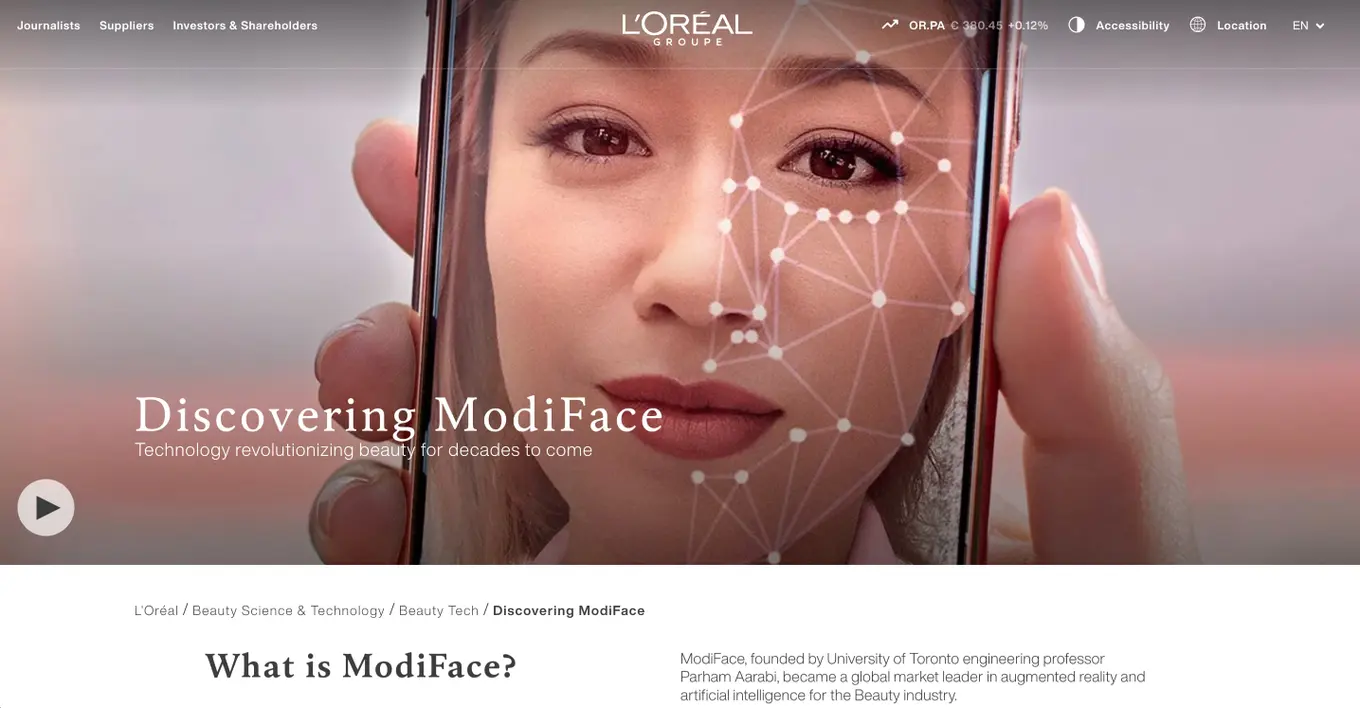
The beauty industry has always faced a fundamental problem. People hesitate to buy products they can’t try first. L’Oréal’s ModiFace technology eliminates that friction entirely.
According to L’Oréal CEO Nicolas Hieronimus in the company’s 2023 earnings call, ModiFace recorded over 100 million virtual try-on sessions in 2023, up from 40 million in 2022. That’s a 150% year-over-year increase that signals a new consumer habit forming.
The business impact is measurable. Wherever ModiFace has been deployed, time on site skyrockets and conversion rates increase. The technology now operates across L’Oréal’s 37 brands and major retail partners, including Amazon.
What made it work: L’Oréal identified a specific customer pain point (uncertainty about shade matching) and deployed AI to solve it directly. The technology reduced purchase anxiety and returns while increasing conversion rates.
4. Coca-Cola’s “Create Real Magic” platform generated 120K pieces of user content
When Coca-Cola wanted to reconnect with younger audiences in 2023, they didn’t hire more content creators. They built a platform that turned their fans into creators.
The “Create Real Magic” campaign combined OpenAI’s GPT-4 and DALL-E to let consumers generate original artwork using Coca-Cola’s iconic visual assets. According to The Coca-Cola Company, digital creatives worldwide generated over 120,000 pieces of original artwork with assets from Coca-Cola’s archives.
The results extended beyond engagement. Company reports indicate that Coca-Cola reported 5% and 6% revenue increases in the two quarters following the campaign’s launch. Selected submissions were featured on digital billboards in Times Square and London’s Piccadilly Circus.
What made it work: Coca-Cola didn’t use AI to create content for their audience. They used it to empower their audience to create content with the brand. The AI handled the technical complexity while humans provided the creativity.
5. Klarna’s AI assistant handled 2.3 million conversations in its first month
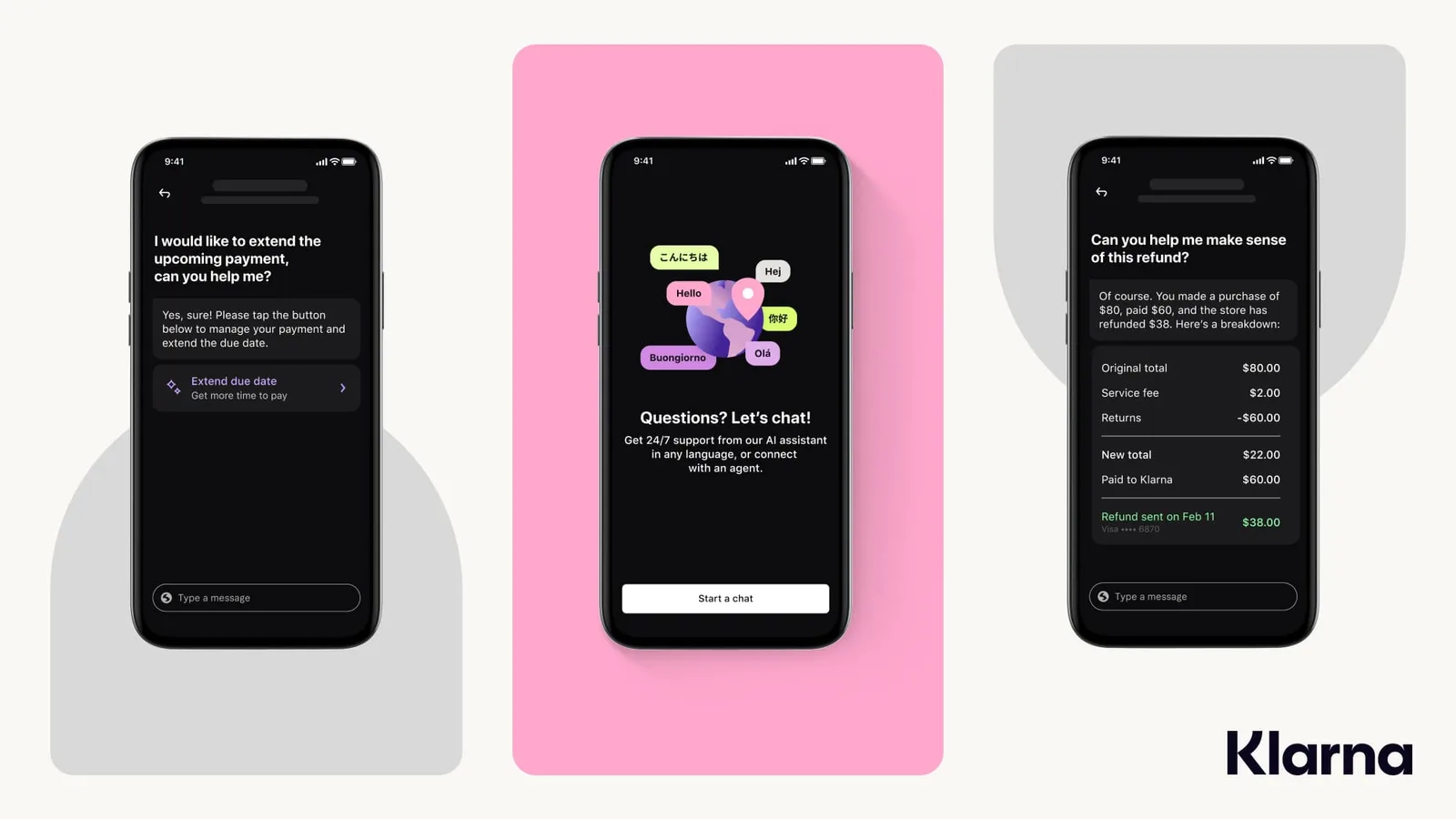
When Klarna launched their OpenAI-powered assistant in early 2024, the results were staggering. According to Klarna’s official press release, within one month:
- The AI handled 2.3 million conversations (two-thirds of all customer service chats)
- It performed the equivalent work of 700 full-time agents
- Customer satisfaction scores matched human agents
- Repeat inquiries dropped by 25%
- Average resolution time fell from 11 minutes to under 2 minutes
- The company projected $40 million in profit improvement for 2024
But here’s the twist: by 2025, Klarna acknowledged they’d gone too far. CEO Sebastian Siemiatkowski admitted that “cost was too predominant an evaluation factor,” and the company began rehiring human agents for complex issues while keeping AI for routine queries.
What made it work (and what didn’t): Klarna proved AI can handle massive volumes of routine customer interactions efficiently. But they also learned that some interactions require human empathy. The winning formula is a hybrid approach.
Your takeaway: AI should handle the routine so humans can handle the meaningful. Tools like Vista Social’s DM automation let you automate common questions while ensuring complex issues get human attention.
6. Verizon’s GenAI initiatives prevented an estimated 100K customers from churning
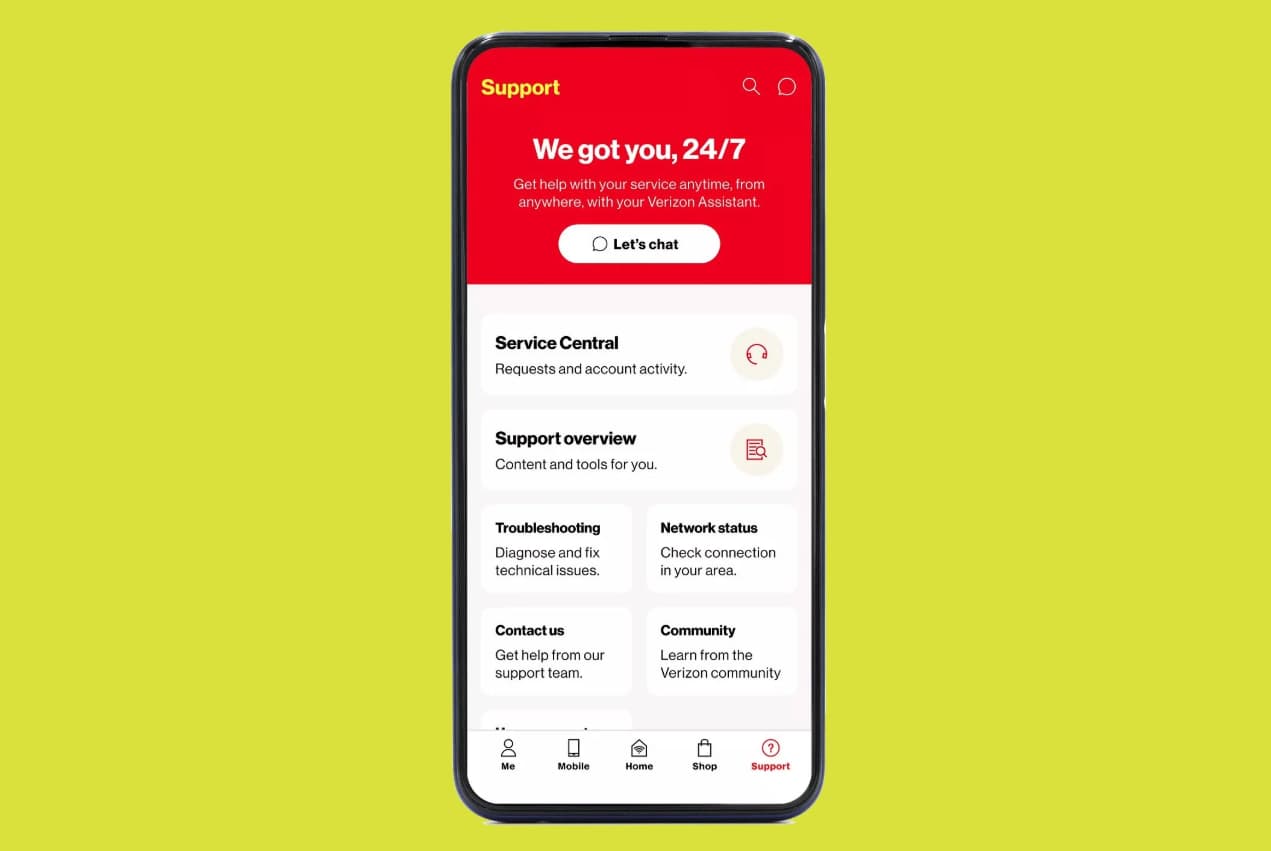
Verizon handles around 170 million customer calls annually. In 2024, they deployed GenAI to transform how those calls are handled.
According to CEO Hans Vestberg, the AI can now predict the reason behind 80% of incoming calls before the customer speaks. This allows Verizon to match callers with the most appropriate agent among their 60,000 customer service representatives.
The results: an estimated 100,000 customers retained who would otherwise have churned, in-store visit times reduced by 7 minutes per customer through real-time personalized offers, and improved routing across their 70 million annual store visits.
What made it work: Verizon didn’t replace human agents with AI. They used AI to make human agents more effective by providing context and routing intelligence before the conversation even begins.
AI in marketing automation examples
Automation isn’t new. But AI has transformed what’s possible.
7. Spotify Wrapped generated 3.46 million mentions in one week
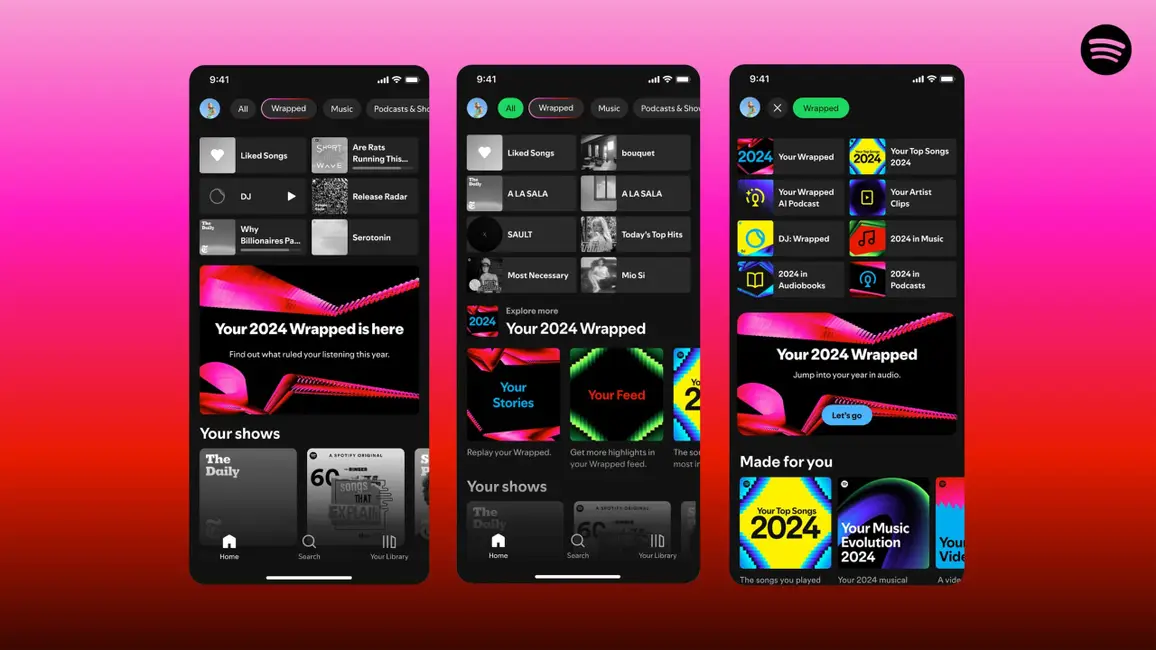
Spotify Wrapped has become the gold standard for turning user data into a cultural moment. The 2024 campaign demonstrated AI’s power to create shareable, personalized content at a massive scale.
According to Meltwater’s analysis, Wrapped 2024 generated approximately 3.46 million mentions across social media in the week after launch. The Brand Hopper reports the campaign generated roughly 2.1 million social media mentions in 48 hours and over 400 million TikTok views in three days.
About 10.5 million users actively shared their Wrapped results, and Spotify’s app saw a 40% spike in engagement during launch week. Historically, the Wrapped campaign has boosted app downloads by 20% in December.
8. IBM’s Adobe Firefly campaign delivered 26x higher engagement
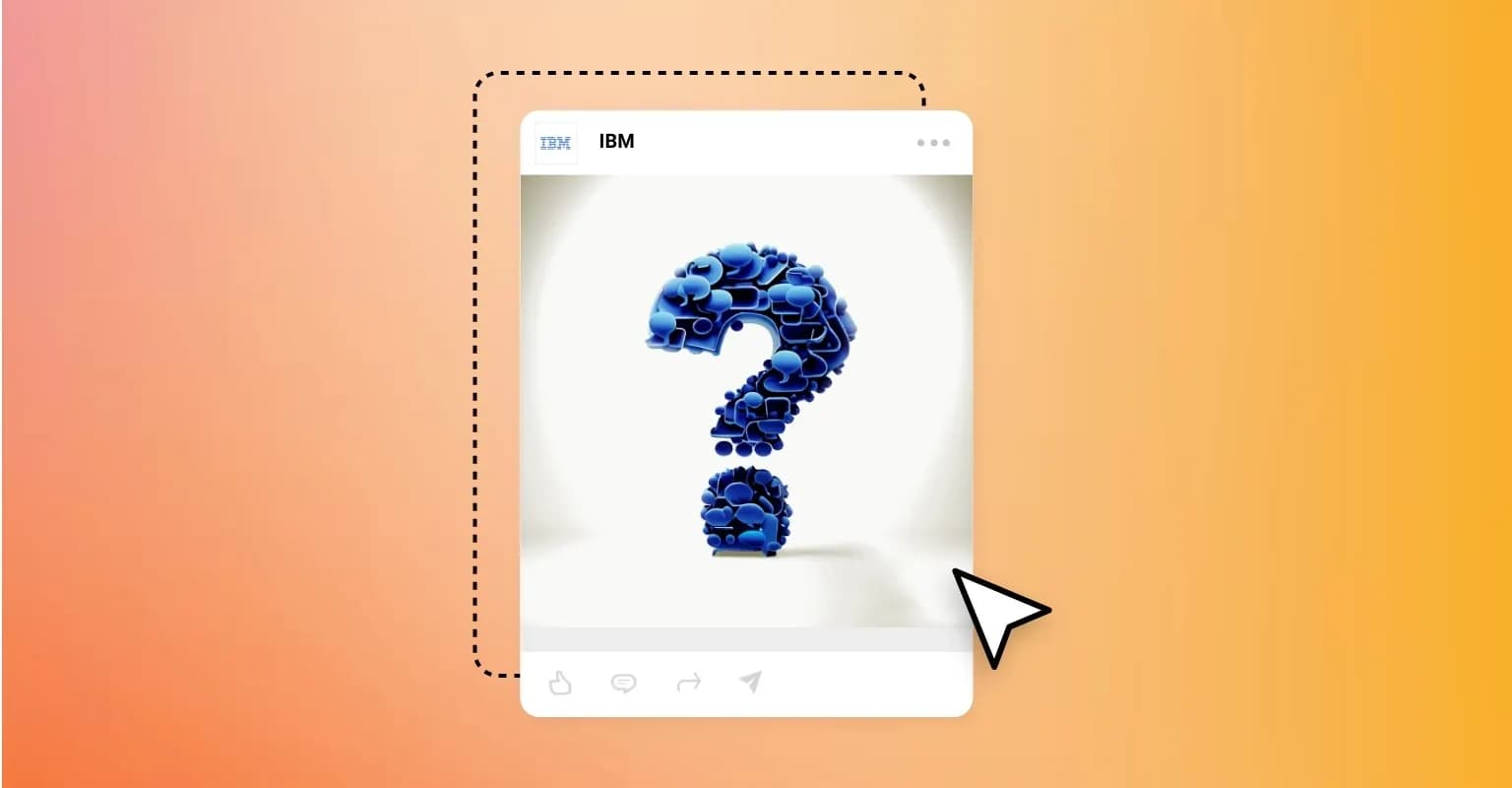
When IBM tested Adobe Firefly for its 2024 “Let’s Create” campaign, the results challenged assumptions about AI-generated creative content.
According to Adobe’s case study, IBM used simple text prompts to generate 200 unique advertising assets and over 1,000 marketing variations in minutes rather than months.
The campaign performed well above IBM’s benchmark, driving 26 times higher engagement than comparable non-AI campaigns. Perhaps more impressive: 20% of campaign respondents were identified as C-level decision makers.
AI in e-commerce examples
E-commerce is where AI ROI is most measurable. These examples show what’s possible.
9. A.S. Watson’s AI Skincare Advisor achieved 396% higher conversion rates
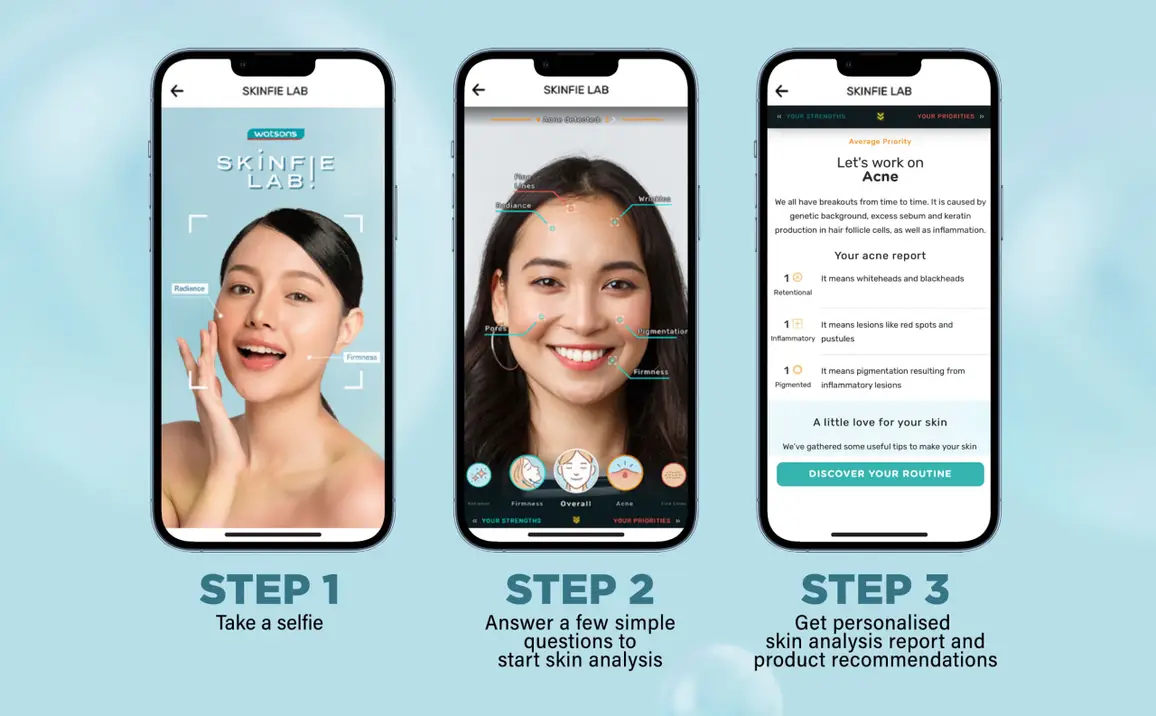
A.S. Watson Group, the world’s largest international health and beauty retailer, faced a challenge: how to deliver personalized service at scale without opening more physical stores.
Their solution was an AI Skincare Advisor developed with Revieve. According to Visme’s case study analysis, customers complete a questionnaire and upload a selfie. AI-powered computer vision then analyzes 14+ skin metrics, including skin type, concerns, tone, and texture. The system generates personalized skincare routines and product recommendations.
The results: customers who used the AI advisor converted 396% better than those who didn’t and spent four times more.
What made it work: A.S. Watson brought the personalized expertise of an in-store consultation to their digital experience. The AI didn’t just recommend products; it provided the “why” behind each recommendation.
10. Karaca achieved 44% ROAS increase with AI-powered Performance Max
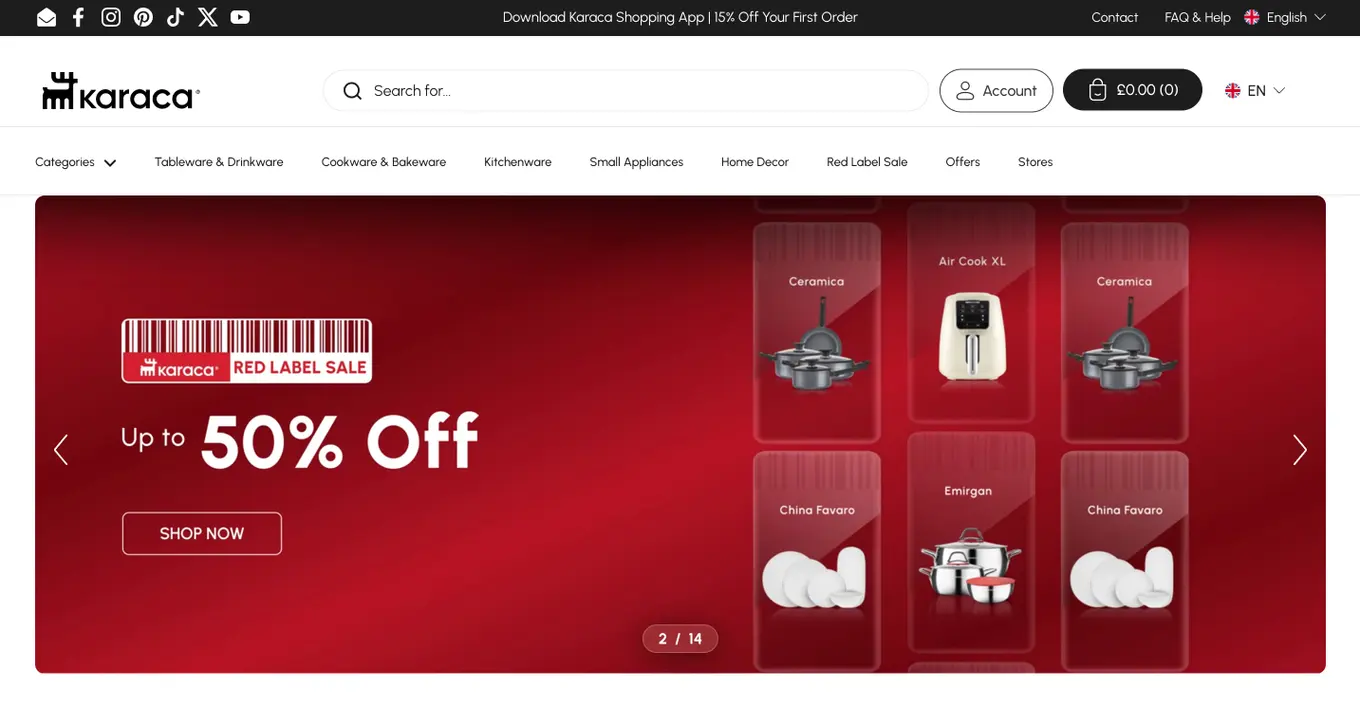
Turkish homeware retailer Karaca demonstrates how AI can transform e-commerce advertising efficiency.
According to Influencer Marketing Hub’s case study, between May 2024 and February 2025, Karaca’s transition to AI-powered product prioritization and budget allocation delivered a 44% increase in return on ad spend and 31% revenue growth.
The AI system automatically prioritized top-performing SKUs and eliminated wasted spend, modernizing how the company approached Performance Max campaigns at scale.
What made it work:
Karaca trusted the data over gut instinct. E-commerce teams often have favorites, products they believe in or have invested heavily in developing. AI doesn’t have those biases. It sees a SKU underperforming and cuts the budget without hesitation. That kind of ruthless objectivity is hard for human teams to replicate, especially when someone’s bonus or ego is tied to a product’s success.
AI in B2B marketing examples
B2B marketing has traditionally lagged consumer marketing in AI adoption. These examples show what’s possible when B2B brands get creative.
11. Clay’s Claygent delivered 10x year-over-year growth
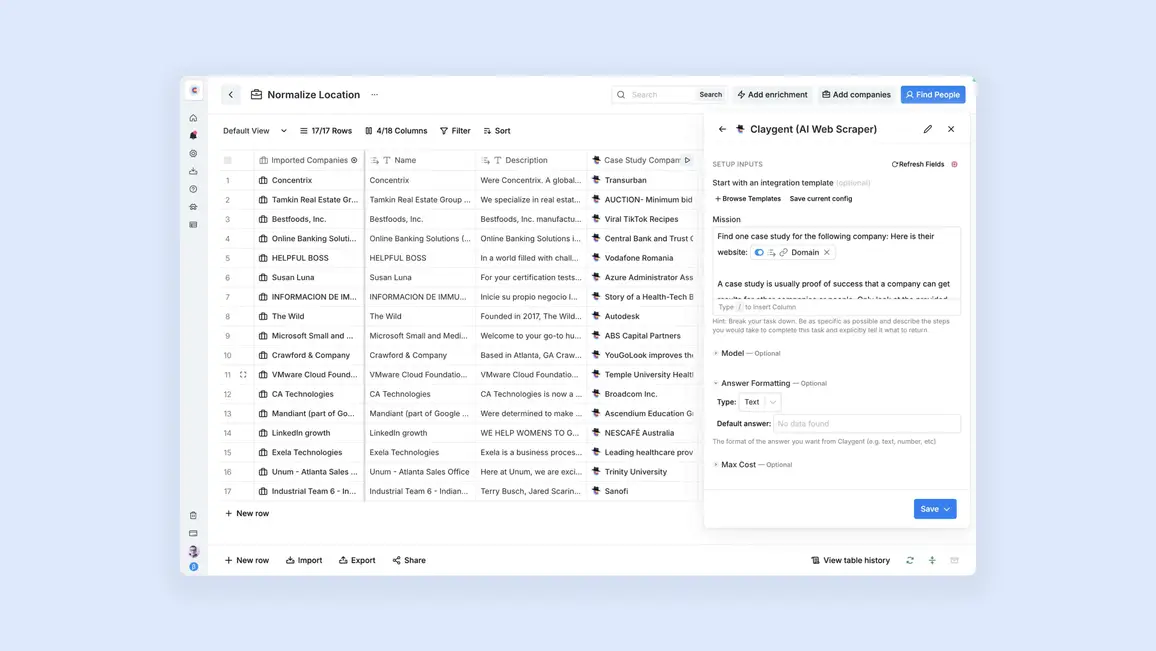
Clay, a data enrichment platform for sales teams, demonstrates how embedding AI into core product functionality can drive explosive growth.
According to OpenAI’s case study, Clay achieved 10x year-over-year growth for two consecutive years after integrating their AI agent, Claygent. The platform now processes 500,000 Claygent-driven tasks daily, with 30% of customers using the agent every day.
What made it work: Clay didn’t bolt AI onto existing workflows. They rebuilt their product around AI capabilities, making the technology central to the value proposition.
12. ING Bank served 20% more customers with GenAI pilot
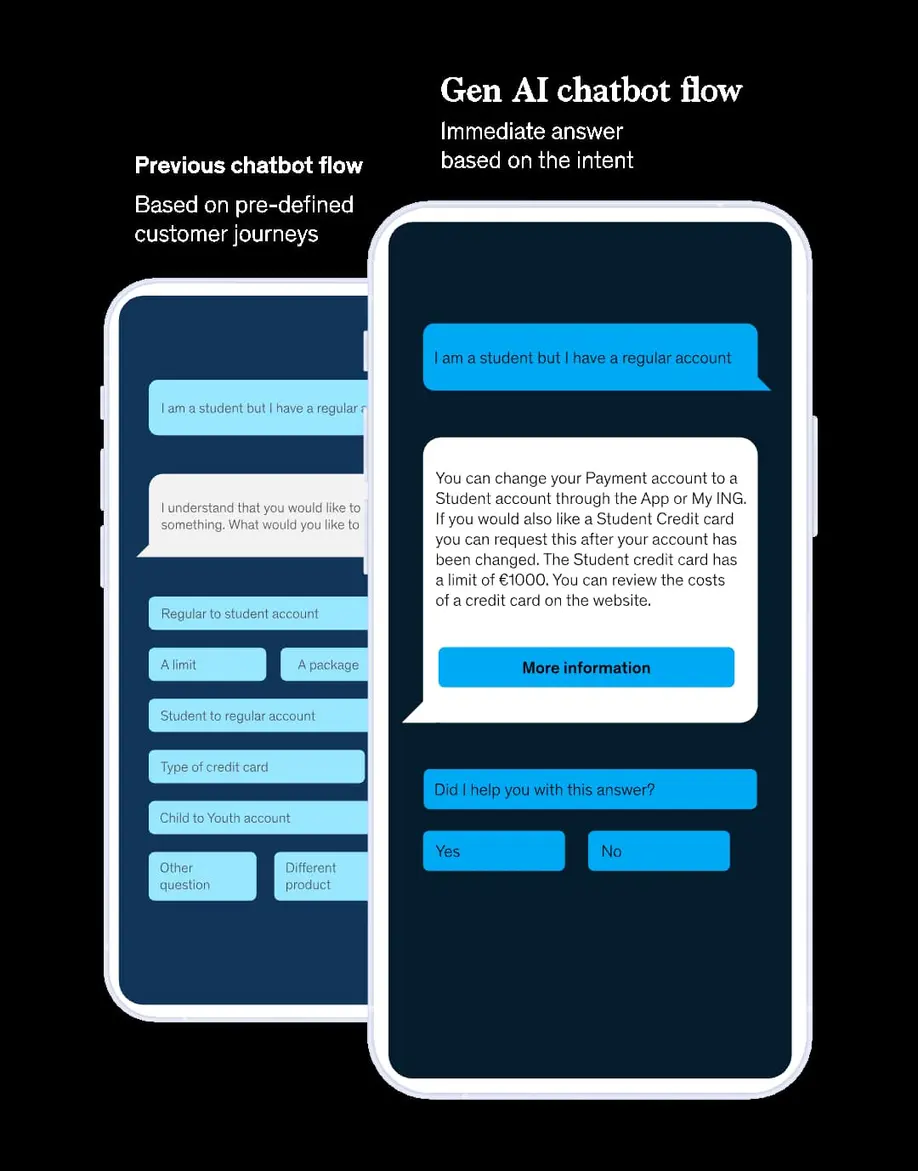
Financial services demonstrate how AI can scale personalized service while maintaining strict compliance requirements.
ING partnered with McKinsey’s QuantumBlack to pilot a GenAI assistant with 10% of customers using their Dutch mobile app’s support chat function.
Within the first seven weeks, the chat agent served 20% more customers than the bank would typically handle. ING implemented strict guardrails, including risk stakeholder involvement from day one, real-time monitoring and auditing, and automatic escalation to humans for low-confidence responses.
What made it work: ING proved that even highly regulated industries can deploy AI successfully when appropriate safeguards are built in from the start.
AI in content marketing examples
Content creation is where AI hype often exceeds reality. These examples show what actually works.
13. H&M’s digital twin models launched in July 2025
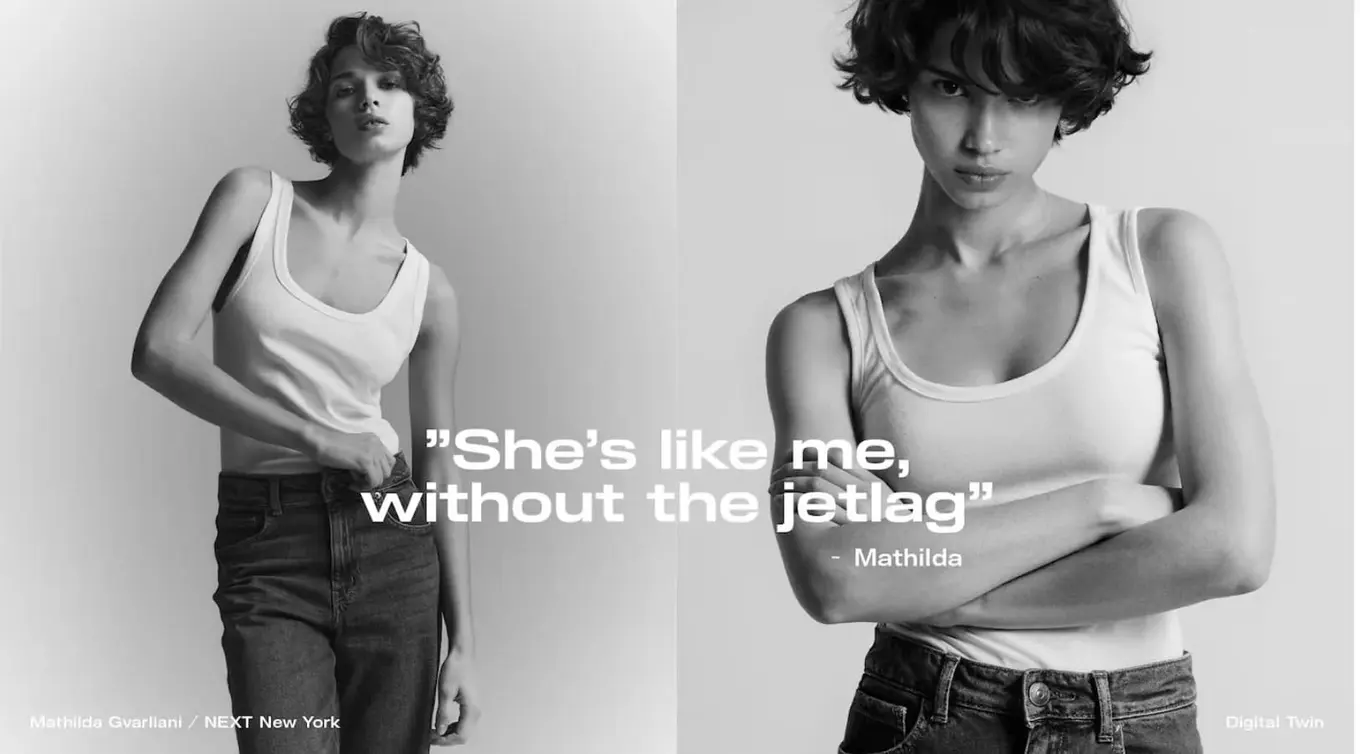
H&M’s announcement that they would create AI “digital twins” of 30 models sparked intense debate about AI’s role in creative industries.
According to H&M Group’s official announcement, the company released its first campaign featuring digital twins in July 2025, showcasing seasonal denim against the backdrop of fashion capitals worldwide.
The technology creates hyper-realistic digital replicas from extensive photography sessions capturing models from different angles, in different lighting, and in motion. According to CNN’s coverage, models retain ownership of their digital twins and receive compensation for each use.
Chief Creative Officer Jörgen Andersson stated, “It’s not a question of man versus machine. I think it’s man and machine. What the machine can do is basically amplify human creativity.”
What made it work: H&M solved the compensation problem that makes AI in creative industries so controversial. Models own their digital twins and get paid every time the company uses them. That flips the usual AI narrative. Instead of technology replacing workers, it creates a new revenue stream for them. A model can earn from a campaign shot in Tokyo while she’s physically working a runway in Paris.
AI in advertising examples
Paid media is where AI’s pattern recognition delivers immediate measurable results.
14. Kalshi produced an NBA Finals ad for $2,000 in 72 hours
Prediction market platform Kalshi demonstrated how AI can democratize high-profile advertising.
According to Superside’s analysis, Kalshi launched a campaign during the 2025 NBA Finals with a surreal montage of AI-generated scenes: a farmer submerged in a pool of eggs, an alien drinking a beer, and a man in a cowboy hat holding a chihuahua.
AI tools generated visuals, storyboards, and character animations that compressed weeks of production into hours. The result: a witty, visually engaging video ad in under 72 hours for just $2,000 that aired during the NBA Finals broadcast.
What made it work: Kalshi leaned into the weird. NBA Finals ads are usually polished, safe, and forgettable. A farmer in a pool of eggs? An alien with a beer? That’s memorable because it’s bizarre. AI gave them the freedom to experiment without the financial risk. When a 30-second spot costs six figures to produce traditionally, creative teams play it safe. At $2,000, you can swing for the fences and see what sticks. The budget constraint became a creative advantage.
15. Mastercard’s Digital Engine achieved 37% higher click-through rates
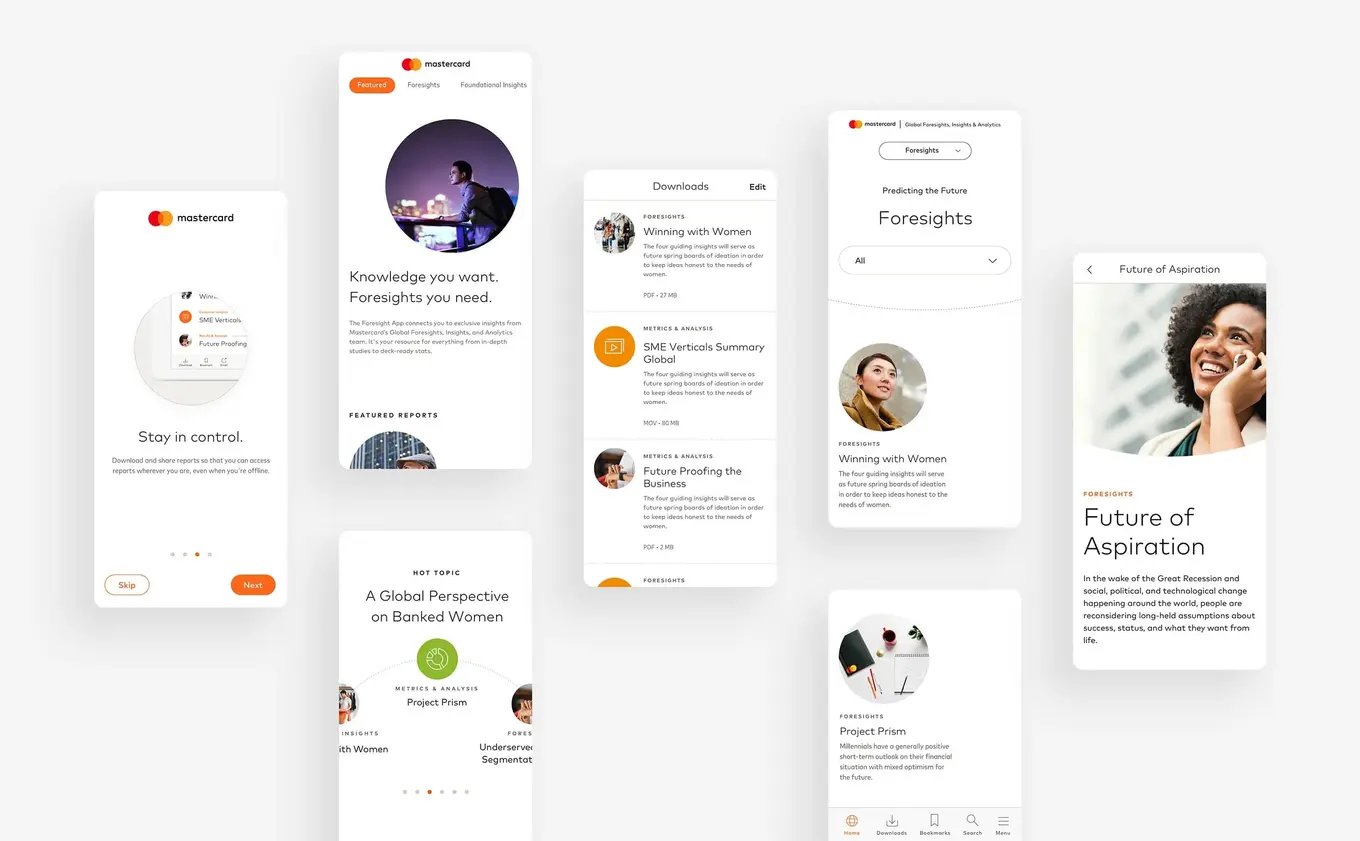
Mastercard built a proprietary system that demonstrates AI’s potential for real-time marketing at a global scale.
Mastercard’s Digital Engine analyzes billions of public conversations to flag emerging micro-trends. The system cross-references these trends with Mastercard priorities like travel and entertainment.
When a trend matches, the engine notifies marketers who can choose from a content library and launch targeted posts and ads. Early tests in Singapore scaled to Asia and then global use across hundreds of active campaigns.
What made it work: Speed without readiness is useless. Plenty of brands can spot trends, but Mastercard built the backend to actually do something about them. Pre-approved creative assets, streamlined sign-offs, and a content library organized by theme meant the team wasn’t starting from scratch when the AI flagged an emerging conversation. They’re picking from a menu and pushing live within hours.
Use these AI in marketing examples to refine your strategy
Here’s what separates winners from everyone else:
- They start with the problem, not the technology: Coca-Cola’s Create Real Magic wasn’t about showing off AI. It was about reconnecting with younger audiences through co-creation.
- They combine AI efficiency with human judgment: Klarna learned this the hard way. The best results come from AI handling routine tasks while humans handle moments that require empathy and nuance.
- They measure actual business outcomes: Impressions are nice, but revenue is better.
- They build systems, not campaigns: Spotify Wrapped isn’t a one-time activation. It’s an annual tradition built on data infrastructure that improves every year.
- They consider the ethical implications: H&M’s digital twins approach, whatever you think of it, at least attempted to address compensation and rights. Brands that ignore these questions face growing backlash.
For social media managers specifically, the opportunity is enormous. AI can help you:
- Analyze performance across channels and surface actionable insights through Vista Social’s analytics
- Generate content ideas and first drafts that match your AI-powered brand voice
- Automate responses to common questions through DM automation
- Identify the best times to post for maximum engagement
- Track sentiment and spot potential issues before they escalate
Ready to put AI to work for your social media strategy? Vista Social’s AI features help you create content, respond to your audience, and surface insights without losing the human touch that makes great marketing work.
AI in marketing examples FAQs
How is AI used in marketing?
AI handles the repetitive stuff so marketers can focus on strategy. The most common uses include writing and editing content, personalizing customer experiences at scale, automating ad targeting and bidding, analyzing campaign performance, and managing social media scheduling.
What are some ways leading brands are using AI in marketing?
The smartest brands aren’t using AI to work faster. They’re using it to do things that weren’t possible before. Coca-Cola crowdsourced 120,000 AI artworks from fans. Cadbury let small Indian businesses “borrow” a Bollywood star’s likeness for local ads. Heinz proved their ketchup is so iconic that even AI can’t imagine it differently. Netflix saves $1 billion yearly by predicting what you’ll watch next. AI works best when it amplifies creativity or solves problems at a scale humans can’t match alone.
What AI tools are best for marketing?
It depends on what you need. For writing: ChatGPT, Claude, or Jasper. For images: Midjourney, DALL-E 3, or Adobe Firefly. For video: Synthesia, Runway, or Descript. For social media management: Vista Social combines AI-powered scheduling, content creation, and analytics in one dashboard. Start with one tool that solves your biggest bottleneck, get good at it, then expand.
What is AI doing to marketing?
AI is splitting marketers into two camps: those who use it to do more of the same (faster) and those who use it to do entirely new things. The first group saves time. The second group wins markets. The real shift isn’t about automation but about personalization at scale, real-time optimization, and creative experimentation that used to be too expensive to try. Roles are evolving too. Execution skills matter less. Strategy, taste, and knowing how to direct AI matter more.
Try Vista Social for free
A social media management platform that actually helps you grow with easy-to-use content planning, scheduling, engagement and analytics tools.
Get Started NowAbout the Author

Content Writer
Orion loves to write content that refuses to be boring. As part of Vista Social, he helps brands, creators, and agencies stop doom scrolling and start winning with social media. When he's not in front of a keyboard, he's watching films in IMAX with his wife, dissecting football tactics (the European kind), and getting lost in a good book.
Loading related tools...




Tools
PublishingAnalyticsEngagementIntegrations
FacebookInstagramLinkedInRedditSnapchatThreadsTikTokX (Twitter)YouTubeBlueskyVista Page (link-in-bio)All IntegrationsCopyright © 2026 Vista Social LLC. All Rights Reserved.